

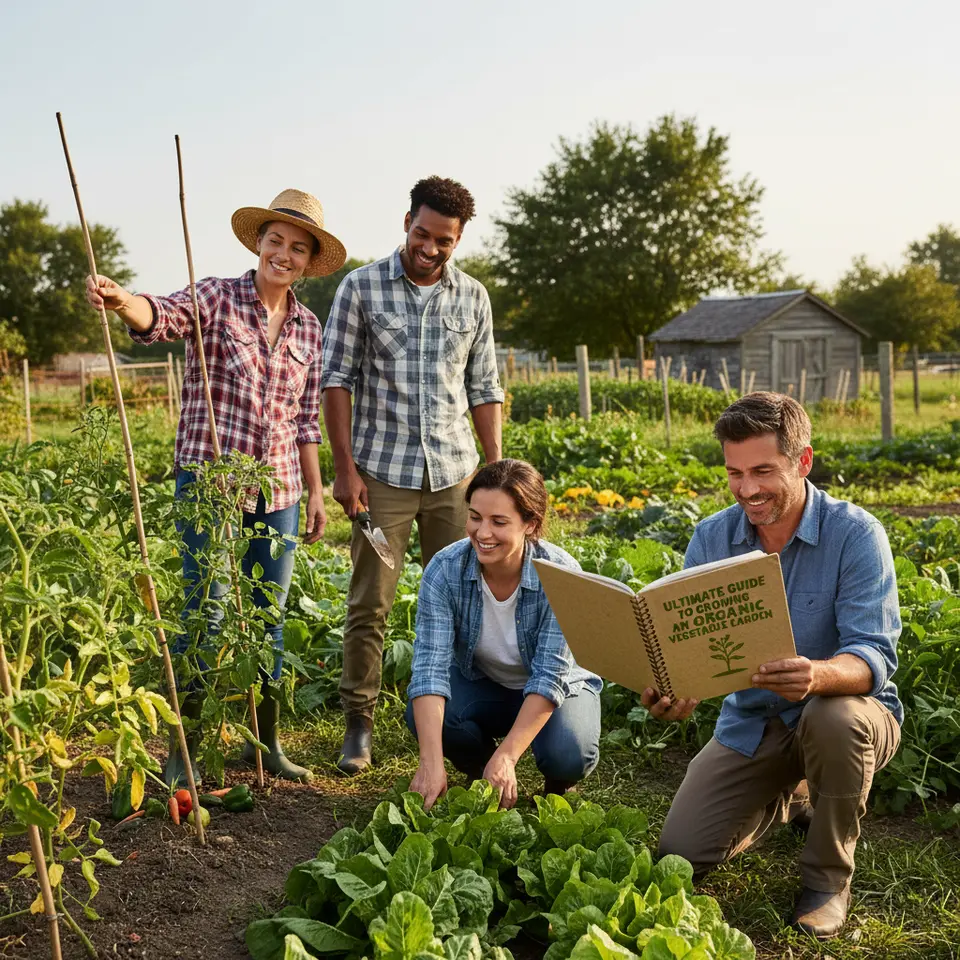
Discover how integrating an organic vegetable garden into school environments transforms education, helping students cultivate deep focus, regulate emotions, and foster a profound connection with nature.
This comprehensive guide explores how nature-based learning enhances academic success and student well-being. You will discover actionable strategies for curriculum integration, understand the psychological benefits of soil cultivation, and learn how to implement green spaces that actively improve cognitive function.
The Intersection of Education and Nature
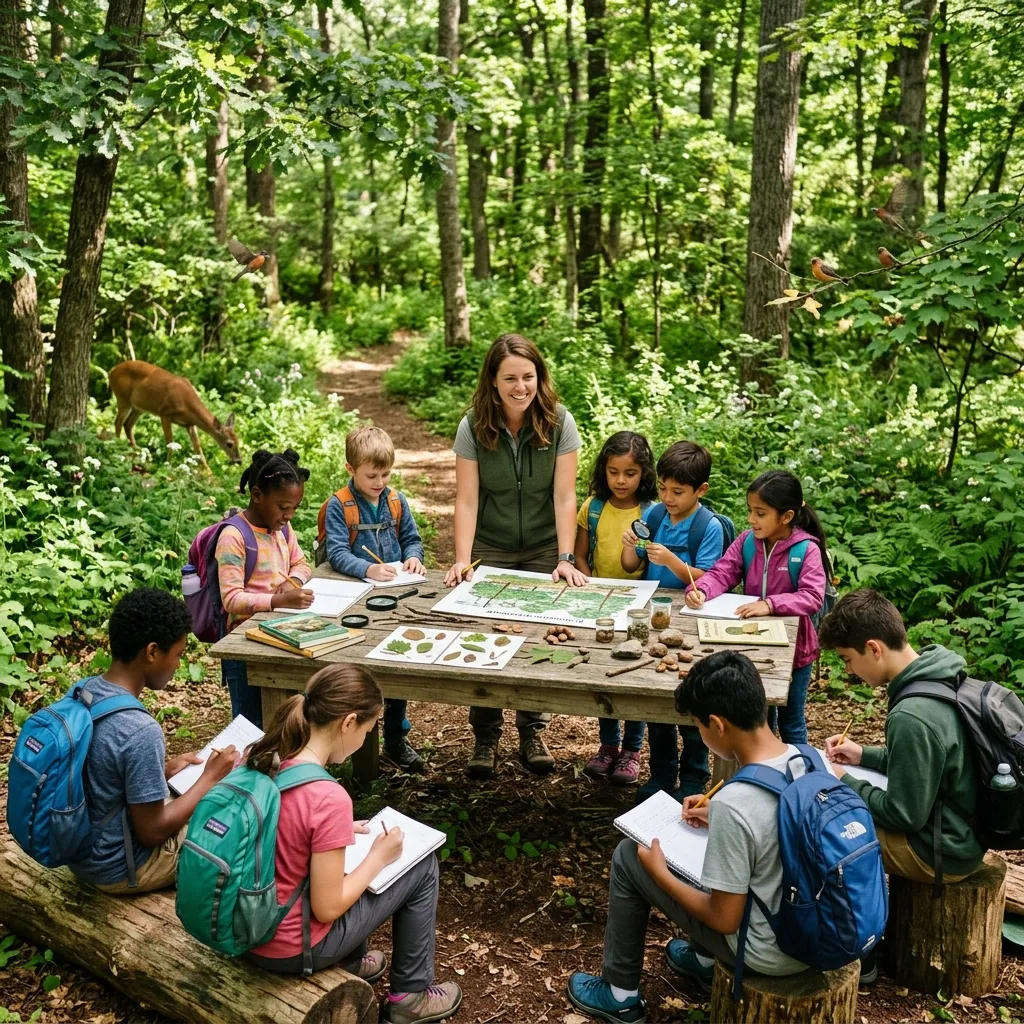
Educators continuously seek innovative methods to improve student engagement, mental health, and academic retention. While technology provides incredible tools for discovery, it frequently introduces distractions, screen fatigue, and shortened attention spans. To counteract these challenges, forward-thinking educational institutions are looking to the soil. They recognize that teaching students how to grow their own food using an organic vegetable garden provides profound psychological and cognitive benefits that traditional classroom environments simply cannot replicate.
When children step outside the standard classroom walls to work in an organic vegetable garden, their baseline stress levels immediately begin to drop. Practicing horticulture offers a unique, highly tactile experience that demands presence, observation, and immense patience. Students cannot rush a seed to sprout faster, nor can they swipe a screen to bypass the natural growth cycle. This inherent natural pacing forces students to slow their minds down, carefully observe their immediate surroundings, and engage in deeply mindful activity that restorative environments naturally provide.
By integrating an organic vegetable garden into the daily academic schedule, schools create essential sanctuaries of calm. The garden naturally evolves into a living laboratory where complex academic concepts merge seamlessly with emotional regulation techniques. Teachers consistently report that students who spend time digging in the dirt return to their desks significantly more focused, notably less anxious, and much better equipped to tackle rigorous academic challenges.
Planning Your Organic Vegetable Garden
Effective organic vegetable gardening always begins with thoughtful planning. Start by defining your goals—whether you aim to grow salad greens, supply your family with staple vegetables, or cultivate specialty heirloom varieties. Consider the space you have available: a spacious plot lends itself to traditional row planting, while a compact patio might call for containers or raised beds.
Create a simple sketch of your garden layout, marking areas for raised beds, pathways, and supporting structures such as trellises or cold frames. Group plants by height and light requirements to prevent taller crops from shading shorter ones. By organizing your garden into zones—sun-loving tomatoes in full sun, shade-tolerant leafy greens under dappled canopy—you’ll streamline maintenance and maximize yields.
Draft a planting calendar that aligns with your local frost dates and climate zone. Sources like the National Agricultural Library provide reliable planting schedules to help you determine optimal sowing times. This year (2026), use frost date calculators online to schedule seed starting, transplanting, and successive sowing for a continuous harvest.
Allocate a weekly time commitment for garden chores such as watering, weeding, and harvesting. By anticipating your maintenance needs, you can avoid overextending yourself and ensure tasks are completed promptly. A well-defined plan also makes it easier to rotate crops annually, an essential practice for sustaining soil fertility and disrupting pest cycles.
Finally, prepare a supply list: seeds, organic amendments, tools, and protective gear. Having everything on hand before planting day allows you to dive directly into the enriching world of organic vegetable gardening without delay.
Choosing the Ideal Location and Soil Preparation
Selecting the right spot for your garden is paramount to success. Vegetables generally require six to eight hours of direct sunlight daily. Observe potential areas throughout the day to identify the sunniest section. Avoid low-lying spots prone to waterlogging, which can foster root diseases, and steer clear of areas impacted by runoff or residual chemicals.
Accessibility is equally important—locate your garden near a water source and close to your home for convenient harvesting. If your site is exposed to strong winds, consider installing windbreaks such as hedges or fencing to protect delicate plants.
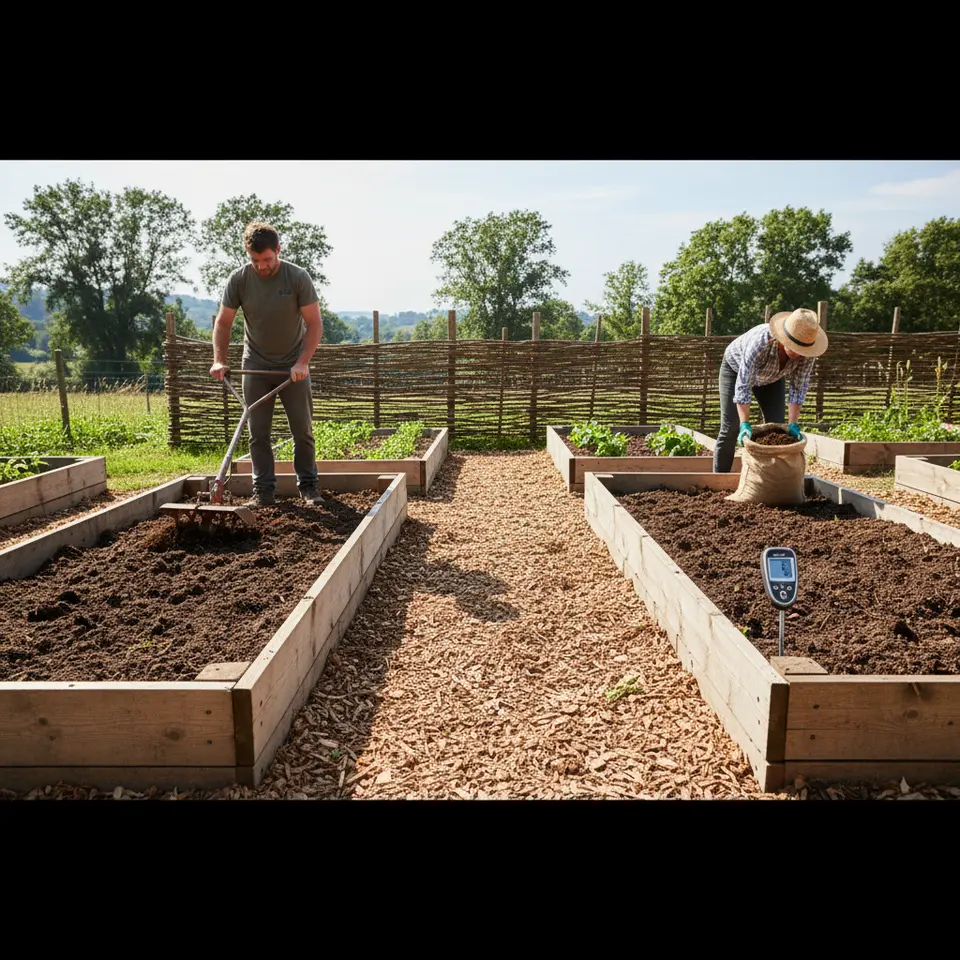
Healthy soil forms the backbone of organic vegetable gardening. Begin by testing your soil pH using a home kit or by sending a sample to a local extension office. Most vegetables thrive in slightly acidic to neutral conditions, between pH 6.0 and 7.0. Based on test results, use agricultural lime or elemental sulfur to adjust pH to the ideal range.
Enhance soil structure and nutrition by incorporating generous amounts of organic matter. Compost, well-rotted manure, and leaf mold improve drainage, moisture retention, and nutrient exchange. Work these amendments into the top 8–12 inches of soil with a garden fork or tiller. For heavy clay soils or poorly draining sites, consider constructing raised beds filled with a blend of topsoil, compost, and coarse sand.
Apply a layer of organic mulch—such as straw, wood chips, or shredded leaves—around newly planted areas. Mulch conserves moisture, regulates soil temperature, suppresses weeds, and gradually enriches the soil as it decomposes. In this way, your groundwork in location and soil preparation will set the stage for a vibrant vegetable garden.
Comparison: Traditional Classrooms vs. Garden-Based Learning
Understanding the distinct differences between standard instruction and outdoor education helps highlight the unique value of an organic vegetable garden program.
|
Feature |
Traditional Classroom Environment |
organic vegetable garden Learning |
|---|---|---|
|
Primary Learning Style |
Passive, auditory, and visual |
Active, tactile, and kinesthetic |
|
Instructional Pacing |
Fast-paced, curriculum-driven |
Slow-paced, nature-driven |
|
Baseline Stress Levels |
High due to testing pressures |
Low, inherently calming environment |
|
Physical Engagement |
Minimal (sitting at desks) |
Moderate (digging, planting, walking) |
|
Focus and Attention |
Requires frequent redirection |
Spontaneous engagement, natural focus |
|
Sensory Input |
Artificial lighting, structural noise |
Natural sunlight, gentle ambient sounds |
Common Mistakes to Avoid in Educational Green Spaces
Launching a new organic vegetable garden is exciting, but enthusiasm must be paired with practical strategy. Avoid these frequent pitfalls to ensure your initiative thrives:
- Starting Too Big: Do not attempt to plow an entire acre during your first year. Start with just two or three manageable raised beds for your organic vegetable garden to allow teachers and students to learn the basics without becoming overwhelmed.
- Failing to Secure Summer Maintenance: Plants require consistent watering throughout July and August. Create a robust volunteer schedule for local families to maintain the organic vegetable garden while classes are not in session.
- Ignoring Soil Quality: You cannot grow healthy plants in nutrient-dead dirt. Invest time and resources into building healthy compost and amending soil before planting your organic vegetable garden.
- Siloing the Project: If only a single science teacher runs the organic vegetable garden, the initiative will collapse if that teacher relocates. Involve the whole educational staff.
- Forcing Direct Participation: Some students genuinely fear insects. Offer meaningful alternative roles in the organic vegetable garden like designing layout maps or tracking weather data.
Pro Tips for Sustaining Educational Engagement
To maximize the cognitive and emotional benefits of your organic vegetable garden, implement these expert strategies:
- Plant Fast-Growing Crops: Radishes, loose-leaf lettuce, and bush beans grow incredibly quickly. This provides students with immediate gratification and keeps their attention engaged in the organic vegetable garden.
- Implement Closed-Loop Composting: Teach genuine sustainability by actively turning cafeteria food waste into rich fertilizer for the organic vegetable garden.
- Leverage Local Expertise: Reach out to local master gardener associations. These experts frequently provide free professional advice for your organic vegetable garden.
- Designate Quiet Zones: Intentionally design specific, secluded areas of the organic vegetable garden explicitly for independent reading or emotional journaling.
- Celebrate the Harvest: Host a seasonal tasting party where students prepare the food they grew in the organic vegetable garden. This reinforces the practical value of their hard work.
Selecting Plants and Starting Seeds
The choice of vegetables should reflect your palate, local climate, and available space. Cool-season favorites—like lettuce, spinach, and broccoli—are ideal for early spring and fall plantings. Warm-season staples—such as tomatoes, peppers, and squash—excel in full sun and consistent warmth.
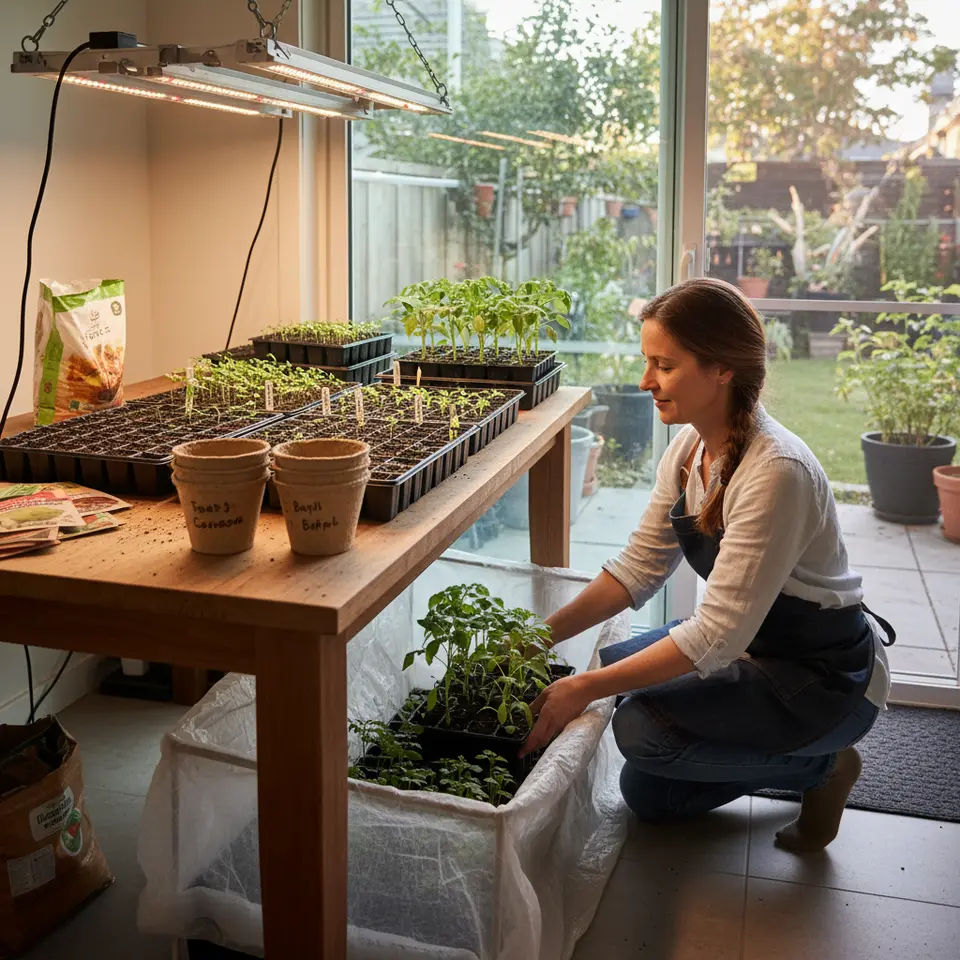
For indoor seed starting, sow cool-weather seeds 6–8 weeks before the average last frost date. Use seed trays or biodegradable pots and a quality seed-starting mix. Keep seedlings under grow lights or on a sunny windowsill to prevent leggy growth. Harden off young plants by gradually exposing them to outdoor conditions over seven to ten days, shielding them from intense sun and wind.
Direct sow seeds for beans, peas, corn, and root crops once soil temperatures reach the levels specified on seed packets. Plant in blocks rather than single rows to improve pollination and conserve space. Adhere to recommended spacing and depth guidelines to minimize competition and maximize yields.
To extend your harvest, practice succession planting: sow quick-maturing crops such as radishes or arugula in empty spaces between slower-growing plants. You can also interplant leafy greens beneath taller crops, making efficient use of vertical space.
Finally, consider disease-resistant and heirloom varieties that are well-adapted to your region. Check seed catalogs and university extension recommendations for cultivars noted for vigor and flavor. With careful selection and seed-starting techniques, you’ll lay the groundwork for a productive season of organic vegetable gardening.
Watering, Maintenance, and Pest Management
Consistent watering is critical for plant health. Aim to supply one to one and a half inches of water per week, adjusting for rainfall. Water in the morning to reduce evaporation and allow foliage to dry before nightfall, thereby minimizing disease risk.
Drip irrigation systems or soaker hoses are ideal for delivering water directly to the root zone. This approach conserves moisture and maintains dry foliage, reducing the likelihood of fungal infections. When watering by hand, use a gentle flow directed at the soil surface to avoid disturbing seedlings.
Regular maintenance includes weeding, pruning, and monitoring for signs of stress. Remove weeds promptly to reduce competition for nutrients and water. Prune overcrowded branches to improve air circulation, and trim dead or diseased leaves to prevent pathogens from spreading.
Organic pest management emphasizes prevention and biological controls. Rotate crops annually to interrupt pest life cycles. Introduce beneficial insects—such as ladybugs and lacewings—by planting pollen-rich flowers like marigolds and alyssum. Inspect plants frequently for aphids, caterpillars, and beetles; hand-pick larger pests, and apply organic insecticidal soaps when necessary.
For fungal issues like powdery mildew or early blight, homemade sprays of baking soda and horticultural oil can be effective. Keep the garden tidy by removing fallen debris and rotting fruit, which serve as reservoirs for overwintering pests. By integrating these practices, you’ll maintain a healthy, balanced ecosystem within your organic vegetable garden.
Harvesting, Storage, and Season Extension Techniques
Harvest vegetables at peak ripeness to capture optimal flavor and nutrition. Leafy greens are crispest when picked in the cool morning hours. Use sharp scissors or pruners to avoid tearing stems and damaging adjacent foliage.
For root crops, gently lift carrots, beets, and radishes with a garden fork to prevent breakage. Store these in a cool, humid environment—such as a root cellar or refrigerator crisper—to maintain freshness. Tomatoes, cucumbers, and peppers are best stored at room temperature until fully ripened.
Preserve surplus produce through canning, freezing, pickling, or drying. Follow guidelines from the National Center for Home Food Preservation (https://nchfp.uga.edu) to ensure safe, high-quality results. Label and date all preserved goods to facilitate rotation and future meal planning.
To extend your harvesting window, employ season‐extension tools like cold frames, hoop houses, and row covers. In cooler regions, these simple structures trap solar warmth and protect tender crops from early frosts, enabling you to grow into the late fall. Conversely, shade cloth can safeguard plants from intense summer heat.
Container gardening also offers a versatile solution for maximizing space. Choose dwarf or compact vegetable varieties suited for pots, and replenish potting mix regularly with organic amendments. With these strategies, you can savor homegrown produce well beyond the core growing months of organic vegetable gardening.
Conclusion
Organic vegetable gardening is more than a hobby—it’s a pathway to healthier eating, environmental stewardship, and personal enrichment. By thoughtfully planning your plot, choosing the right site and soil amendments, selecting appropriate crops, and maintaining vigilant care, you’ll cultivate a vibrant, productive garden this year (2026). Remember that each season offers unique challenges and learning opportunities; keep records, observe patterns, and refine your approach in subsequent years.
With patience, persistence, and the wealth of resources available today, you can build a resilient organic vegetable garden that yields fresh, nutritious produce for you and your family. Embrace the process, celebrate small successes, and enjoy the bountiful rewards of your efforts. Happy gardening!
Frequently Asked Questions
1. What exact practices make a school garden fully organic?
An organic vegetable garden strictly avoids synthetic chemical pesticides and artificial fertilizers. Instead, students learn to use natural, sustainable methods like hot composting, strategic crop rotation, and introducing beneficial predatory insects to maintain plant health and long-term soil vitality.
2. How do busy teachers find the time to use an organic vegetable garden?
The most successful schools do not add this time on top of an already packed curriculum; they deeply integrate it. A teacher might conduct a standard biology lesson, a complex math geometry application, or a creative writing session outside directly in the organic vegetable garden.
3. Can densely populated urban schools build an organic vegetable garden?
Absolutely. Urban schools with limited space can easily utilize small container plantings, vertical wall structures, rooftop spaces, or raised beds over asphalt to create a thriving organic vegetable garden.
4. How does an organic vegetable garden actively reduce student anxiety?
The natural, outdoor environment provides a critical sensory break from enclosed classrooms. Additionally, the physical, repetitive act of caring for a living thing in an organic vegetable garden deeply promotes mindfulness, forcing anxious students to ground themselves in the present moment.
5. Are there grants available to help fund an organic vegetable garden?
Yes, numerous local, state, and national organizations offer substantial grants specifically designed for school organic vegetable garden initiatives, environmental science, and holistic school health programs.
6. How do we keep the organic vegetable garden alive during summer break?
Most successful schools establish a structured garden adoption program where local neighborhood families take turns watering and weeding the organic vegetable garden for assigned weeks during the summer months.
7. What academic subjects benefit most from an organic vegetable garden?
While science and mathematics are the most obvious direct fits, language arts classes benefit immensely from outdoor nature journaling in the organic vegetable garden, and history classes can deeply explore historical agricultural practices.
8. How does an organic vegetable garden improve indoor classroom behavior?
When highly energetic students expend physical energy and engage all their senses outside in the organic vegetable garden, they naturally release pent-up tension. They return to their indoor desks feeling significantly refreshed and focused.
9. Are students allowed to eat the food they grow in the organic vegetable garden?
Yes, and doing so strongly promotes vital nutritional education and healthy eating habits. However, school administrators must always strictly follow local health department guidelines regarding the safe washing and serving of food grown in the organic vegetable garden.
10. Where should a school begin if they want to build an organic vegetable garden next semester?
Immediately form a dedicated committee of highly interested teachers, passionate parents, and supportive administrators. Start very small with just two or three raised beds for your organic vegetable garden, secure a reliable water source, and focus on easy-to-grow seasonal crops.
