

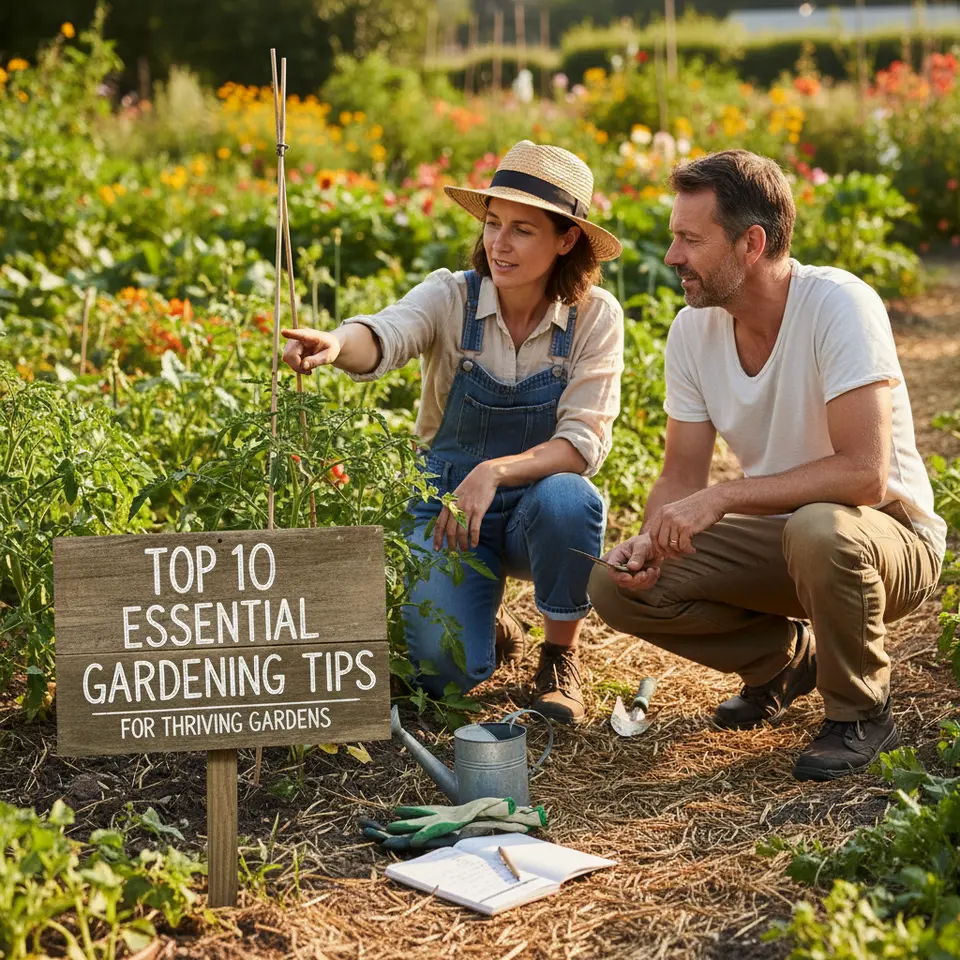
Integrating practical gardening tips into daily routines transforms education by fostering calm, enhancing focus, and connecting learners directly with the restorative power of nature.
This comprehensive guide explores how cultivating plants enhances cognitive development and emotional well-being. We cover actionable strategies, expert insights, and common pitfalls to help educators and hobbyists alike leverage horticulture for improved concentration, reduced stress, and engaging hands-on learning experiences.
The Psychological Intersection of Nature and Learning
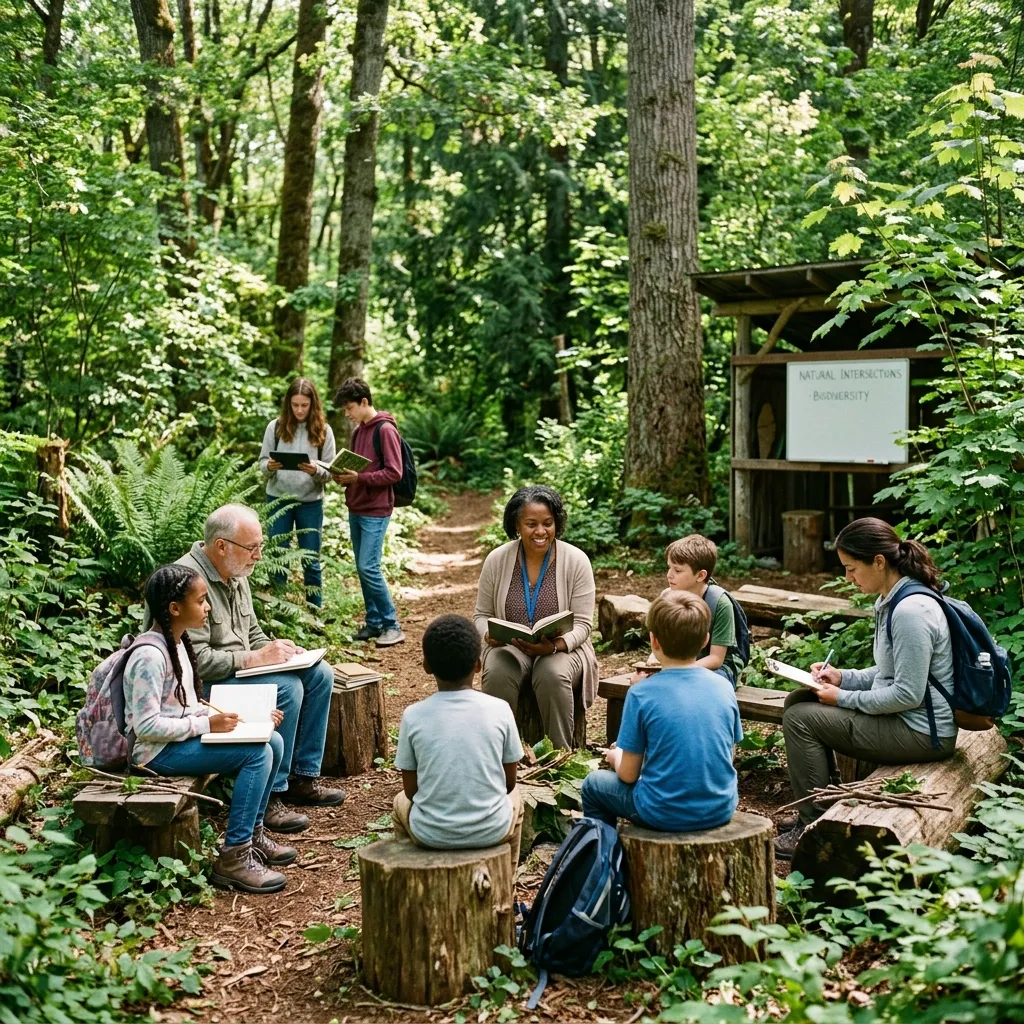
The modern educational landscape often feels overwhelming, filled with digital distractions and constant connectivity. By introducing nature into the curriculum, we provide a vital counterbalance. Practical gardening tips serve as more than just agricultural advice; they are blueprints for mindfulness. When students engage with the soil, their sensory focus shifts from screens to the tangible world. This shift is critical for reducing anxiety and promoting a state of calm.
Research from environmental psychologists shows that interacting with flora lowers cortisol levels. When educators apply specific gardening tips, they create an environment where stress dissipates. This relaxed state is the optimal condition for absorbing new information. Students who participate in cultivating plants show marked improvements in their ability to concentrate on complex tasks.
Furthermore, the patience required to watch a seed sprout translates directly to academic endurance. We often overlook the value of delayed gratification in education. By following sustainable gardening tips, learners understand that growth is a gradual process. This hands-on metaphor helps them build resilience when facing challenging subjects in the classroom.
Designing the Optimal Educational Garden
Creating a garden for educational purposes requires thoughtful planning. You cannot simply throw seeds into the dirt and expect a transformative experience. Instead, applying structured gardening tips ensures the space is conducive to both plant growth and student learning. The design should encourage interaction, observation, and peaceful reflection.
Selecting the Right Space
Whether you are working with a sprawling campus or a sunny classroom windowsill, space selection is paramount. One of the most fundamental gardening tips is to assess your light conditions accurately. Plants that require full sun will languish in a shaded corner, leading to frustration rather than focus. Map out the sunlight patterns in your chosen area before making any purchasing decisions.
Accessibility is another crucial factor for an educational garden. Students must be able to reach the beds or containers comfortably. Raised beds are excellent for outdoor spaces, while sturdy, waist-high planters work well indoors. Incorporate accessible garden design principles to ensure that every learner, regardless of physical ability, can participate fully in the cultivation process.
Focusing on Soil Health and Preparation
The foundation of any successful botanical project lies beneath the surface. Excellent soil health is not just about plant vitality; it is a profound lesson in ecosystem interconnectivity. Teaching students how to test and amend soil introduces basic chemistry and biology concepts seamlessly. One of our top gardening tips is to involve students in creating compost, demonstrating the cycle of decay and renewal.
When preparing your soil, ensure proper drainage to prevent root rot. You can mix organic matter, such as peat moss or aged compost, into your existing dirt. This practice enriches the growing medium and retains necessary moisture. For a deeper dive into composting mechanics, consult reputable resources like the Environmental Protection Agency’s composting guide.
Core Benefits of Gardening in Educational Settings
Psychological and Emotional Growth
The psychological advantages of school gardens are profound. Nurturing a living organism requires patience, empathy, and consistency. When students follow straightforward gardening tips to care for a plant, they develop a sense of responsibility and ownership. Watching a seed sprout into a flourishing plant boosts self-esteem and provides a tangible reward for their dedication.
Furthermore, the garden acts as a safe, neutral space. Students who might struggle in traditional academic subjects often thrive in an outdoor, experiential learning environment. It levels the playing field, allowing different types of intelligence to shine. The sensory experience of touching soil, smelling herbs, and seeing vibrant colors naturally lowers cortisol levels, creating a calmer student body.
Choosing Ideal Plants for Your Environment
Selecting the right cultivars lays the groundwork for a low-maintenance, high-yield garden. Missteps at this stage can lead to disappointment and wasted effort. Start by identifying your local hardiness zone and analyzing exposure patterns—full sun, partial shade, or full shade. These factors govern plant performance, disease resistance, and watering requirements. Visit extension services or consult authoritative sites offered by land grant universities to pinpoint vegetables, flowers, and shrubs tailored to your region.
Assessing Sunlight and Microclimates
Sunlight influences photosynthesis, bloom production, and fruit set. Most fruiting crops demand at least six hours of direct sunlight daily. Leafy greens and certain ornamentals may thrive under dappled or morning sun. Observe your space over a week to map shaded areas cast by fences, trees, and structures. Consider creating microclimates by installing shade cloth, windbreaks, or reflective mulches to regulate temperature extremes.
Selecting Disease-Resistant Varieties
Modern seed catalogs feature numerous cultivars bred for resistance to common pathogens. Opt for varieties labeled with resistance codes such as F, V, or nematode resistance. This proactive choice reduces reliance on chemical treatments and supports integrated pest management. Combining resistant plants with crop rotation further minimizes risk of soil-borne diseases.
Drought-Tolerant and Low-Maintenance Options
Native species and drought-adapted cultivars excel with minimal irrigation, a major advantage in water-restricted areas. Succulents, ornamental grasses, and Mediterranean herbs like rosemary or lavender often require occasional deep watering and deliver attractive structure. Incorporate these hardy plants alongside traditional vegetables to diversify aesthetics and resource use. By honing your selections to match site conditions, you set the stage for a flourishing landscape that rewards you for years to come.
Building and Testing Soil for Robust Growth
Understanding soil composition and nutrient balance is crucial among essential gardening tips. Soil analysis reveals pH, organic matter content, and nutrient levels, guiding tailored amendments that prevent overfertilization and pH-induced nutrient lockout. Acquire a kit from a local cooperative extension or mail samples to reputed labs for detailed reports. Adjusting soil chemistry this year (2026) ensures immediate benefits for spring planting and long-term fertility.
Conducting a Comprehensive Soil Test
Collect samples from multiple locations, mixing to capture overall variability. Laboratories measure key parameters: lime requirement, phosphorus, potassium, calcium, magnesium, and trace elements. The recommended pH range for most garden plants is 6.0 to 7.0. Use agricultural lime or dolomite to raise pH and elemental sulfur to lower it. Follow lab instructions precisely to avoid drastic swings that stress microbial communities.
Incorporating Organic Matter
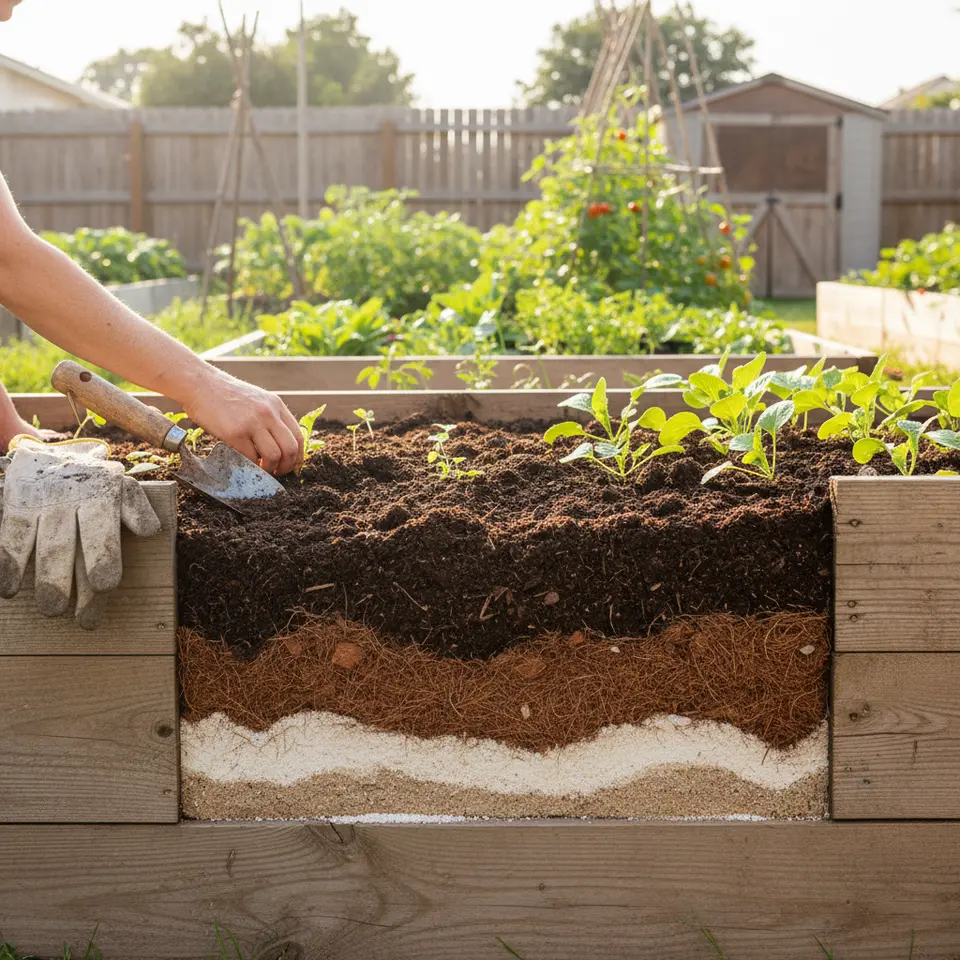
Compost, aged manure, and leaf mold enrich soil structure, enhance water retention, and fuel beneficial microorganisms. Aim for 2 to 4 inches of well-decomposed organic material tilled into the top 6 to 8 inches of bed. This practice reduces compaction, eases root penetration, and gradually releases nutrients. For heavy clay soils, add coarse sand and gypsum to improve drainage.
Building Raised Beds and Container Mixes
Raised beds offer superior control over drainage and soil quality, minimizing compaction and elevating root-zone warmth in cooler climates. Combine topsoil, compost, and quality coconut coir or peat alternatives to maintain moisture. For container gardening, use a soilless mix enriched with slow-release organic fertilizer to balance drainage with water-holding capacity. Refer to research from Cornell University for detailed blend ratios and performance data.
Comparison Table: Indoor vs. Outdoor Educational Gardens
|
Feature |
Indoor Classroom Gardens |
Outdoor Campus Gardens |
|---|---|---|
|
Space Required |
Minimal (windowsills, shelves) |
Moderate to Extensive |
|
Cost to Start |
Low (pots, basic soil, seeds) |
Moderate (lumber, bulk soil, tools) |
|
Maintenance |
Daily watering, light monitoring |
Weeding, weather protection, pest control |
|
Best Plants |
Microgreens, herbs, succulents |
Root vegetables, tomatoes, sunflowers |
|
Primary Benefit |
Year-round access, controlled climate |
Physical activity, larger yields |
Common Mistakes to Avoid
Even enthusiastic educators can stumble when starting a school garden. Avoiding these common pitfalls ensures your project remains a source of joy rather than frustration.
- Overwatering: This is the leading cause of plant mortality in classrooms. Teach students the “finger test”—only water when the top inch of soil feels completely dry.
- Starting Too Big: A massive garden requires massive upkeep. One of the most practical gardening tips is to start small. Begin with a few containers or a single raised bed and expand as your confidence and student interest grow.
- Ignoring the Summer Months: Schools often sit empty during the prime growing season. Plan ahead by planting cool-weather crops (peas, lettuce, spinach) that harvest before summer break, or establish a volunteer roster of families to maintain the garden in July and August.
- Failing to Integrate the Curriculum: A garden should not be an extracurricular afterthought. If teachers view it as an extra chore, it will fail. Seamlessly weave garden time into existing lesson plans.
Pro Tips and Expert Insights
To elevate your educational garden, consider these expert-level strategies:
- Embrace Composting: Start a classroom worm bin (vermicomposting). It solves organic waste issues from the cafeteria, provides rich fertilizer, and serves as an incredible biology lesson.
- Create Sensory Zones: Designate areas specifically for touch and smell. Plant lamb’s ear for its fuzzy texture and lemon balm for its refreshing scent. This is particularly beneficial for special education programs focusing on sensory integration.
- Document the Journey: Have students keep detailed garden journals. Recording observations, sketching plant anatomy, and writing reflective essays about the process dramatically enhances literacy skills.
Optimizing Irrigation and Mulching Techniques
Water management ranks among essential gardening tips for sustaining healthy plants without waste. Overwatering fosters root rot and fungal issues, while underwatering induces stress and stunted growth. Strive for deep, infrequent watering sessions that encourage roots to explore deeper soil horizons, enhancing drought resilience.
Implementing Drip Irrigation Systems
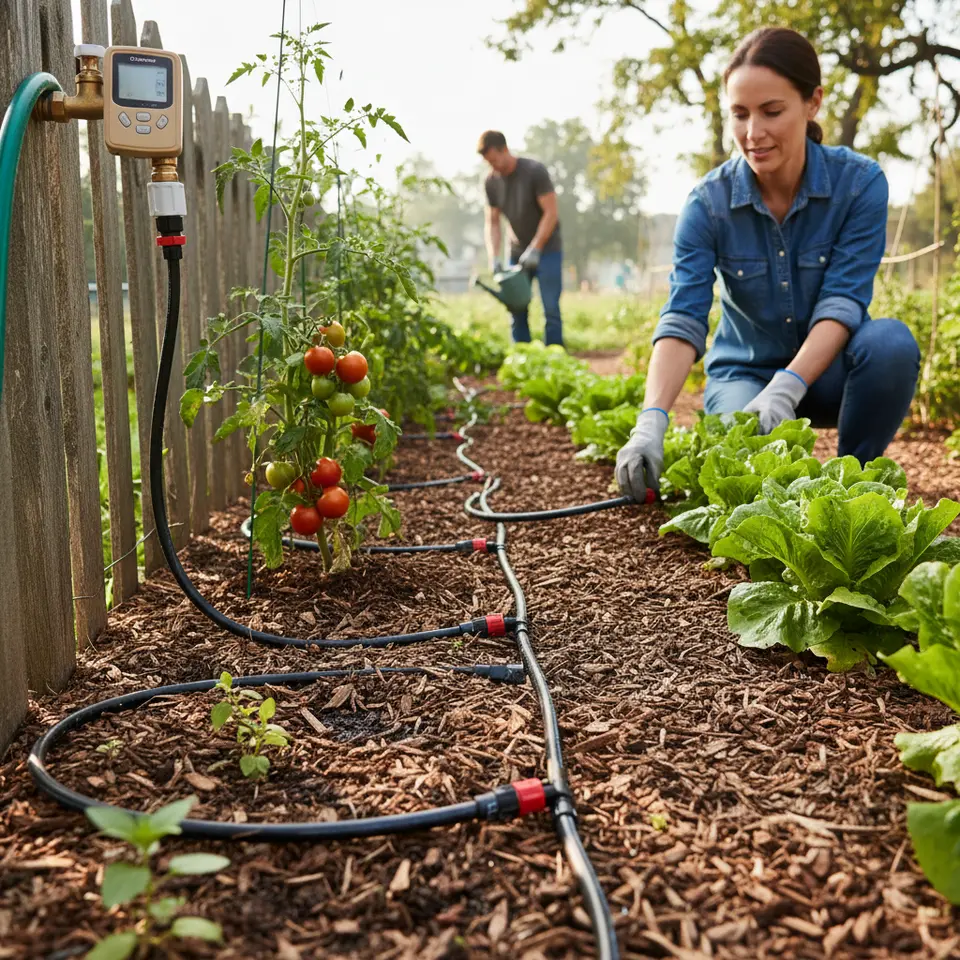
Drip irrigation delivers water directly to the root zone, cutting evaporation and runoff. Flexible tubing and adjustable emitters let you tailor flow rates to plant needs. Connect these systems to a timer or smart controller for hands-free scheduling. Early research by government agencies confirms that microirrigation can reduce water use by up to 50 percent compared to overhead sprinklers.
Applying Mulch for Moisture Retention
A 2 to 4 inch layer of organic mulch around plant bases moderates soil temperature, reduces weed competition, and preserves moisture. Choose straw, shredded bark, or leaf mold. Keep mulch a few inches from stems to deter fungal growth. Renew annually as material decomposes, ensuring continued protection and nutrient release.
Feeding Plants and Managing Pests Naturally
Balanced nutrition and eco-friendly pest control unite for resilient gardens that thrive with minimal chemical intervention. Essential gardening tips include matching fertilizer applications to plant growth stages and harnessing biological controls for insect management.
Tailoring Fertilizer Regimens
Begin with soil test insights to address specific deficiencies. Use slow-release organic fertilizers like bone meal or kelp meal to feed soil microbes and plants over time. Side-dress vegetable rows with compost during midseason growth spikes. In containers, supplement liquid seaweed extracts every two to four weeks to maintain steady nutrient availability.
Encouraging Beneficial Insects
Companion plantings featuring marigolds, alyssum, and sunflowers attract hoverflies, ladybugs, and lacewings that prey on aphids and mites. Install insect hotels or small water features to create a balanced habitat. Early detection through weekly scouting allows prompt removal of affected leaves before infestations escalate.
Rotating Crops and Sanitation
Crop rotation interrupts disease cycles by avoiding repeated planting of related families in the same soil. Remove plant debris in autumn to reduce overwintering pests and pathogens. Solarization—covering soil with clear plastic for several weeks—can further disinfect beds in warm months.
Advanced Strategies for Year-Round Productivity
Beyond foundational tactics, advanced growers employ succession planting, pruning techniques, and preservation methods to maximize output and extend harvest periods.
Implementing Succession Planting
Overlap plantings by sowing cool-season greens after early spring harvests and following summer crops with fall lettuces or radishes. This dynamic scheduling maintains active beds and reduces downtime, increasing total yield per square foot.
Pruning and Training for Enhanced Yields
Regular deadheading of flowers spurs continued blooming, while selective pruning of fruiting vines—like tomatoes—improves air circulation and sun exposure. Trellising encourages vertical growth, reduces disease, and simplifies harvesting.
Harvesting and Preservation
Timing harvests at peak ripeness ensures optimal flavor and nutrient content. Use canning, freezing, or drying to preserve surplus produce. Label preserved goods with dates to track shelf life and enjoy homegrown bounty year-round.
Conclusion
Mastering these essential gardening tips empowers you to create a resilient, productive garden that adapts to changing conditions. By selecting appropriate plant varieties, nurturing soil health, optimizing water use, and integrating natural pest management, you build a sustainable ecosystem that rewards effort with bountiful harvests and vibrant landscapes. Incorporate advanced strategies—like succession planting and strategic pruning—to maintain continuous productivity and conserve resources. In today’s digital landscape, access to trusted guidance from institutions such as USDA and leading universities makes applying these proven methods easier than ever. Embrace experimentation, observe your garden closely, and refine your approach as you gain experience. With dedication and the practical advice shared here, your garden will flourish now and for seasons to come.
Frequently Asked Questions
1. What are the best gardening tips for keeping classroom plants alive during winter breaks?
Water plants thoroughly before leaving, move them away from cold drafts or heating vents, and group them together to increase ambient humidity. For longer breaks, consider using self-watering globes or asking a custodian to check on them.
2. How do gardening activities improve student focus?
Gardening requires mindfulness, tactile engagement, and patience. This physical, grounded activity gives the brain a break from screen-induced fatigue, which resets attention spans and lowers anxiety, leading to improved focus when returning to traditional desk work.
3. Can we start a school garden with a zero-dollar budget?
Yes. You can upcycle plastic containers for pots, ask local nurseries for discarded or older seeds, and start a compost pile using lunchroom fruit scraps. Many communities also offer grant programs specifically for school gardens.
4. What are the most foolproof plants for young children to grow?
Radishes and bush beans sprout incredibly fast, which keeps young children engaged. Sunflowers are also excellent because their dramatic height provides a highly visible reward for the students’ efforts.
5. How do I incorporate gardening tips into a math curriculum?
Students can calculate the area and perimeter of garden beds, measure the daily growth rate of plants to create line graphs, or calculate the volume of soil needed to fill a specific container.
6. Are there specific gardening tips for managing pests without chemicals?
In an educational setting, safety is paramount. Use companion planting (like marigolds with tomatoes) to deter pests naturally. You can also teach students to hand-pick larger insects or use simple mixtures of water and dish soap for aphids.
7. How much time does a classroom garden require weekly?
If you start small, a classroom garden only requires about 15 to 20 minutes a week for watering and basic maintenance. You can easily divide this time among students as part of their weekly classroom responsibilities.
8. What role does soil health play in an educational garden?
Soil health is everything. Teaching students how to amend soil with compost teaches them about the microscopic ecosystem and the nitrogen cycle. Healthy soil holds water better and produces stronger plants that resist disease.
9. How do we make the school garden accessible to students with physical disabilities?
Build raised beds at wheelchair height, ensure pathways are wide and paved or packed down smoothly, and provide lightweight, ergonomic tools. Sensory plants that focus on smell and touch are also excellent for inclusive design.
10. Where can teachers find reliable gardening tips specific to their local climate?
Your local university extension office is the absolute best resource. They provide free, science-based information regarding planting calendars, native species, and local pest management tailored exactly to your geographic region.
