

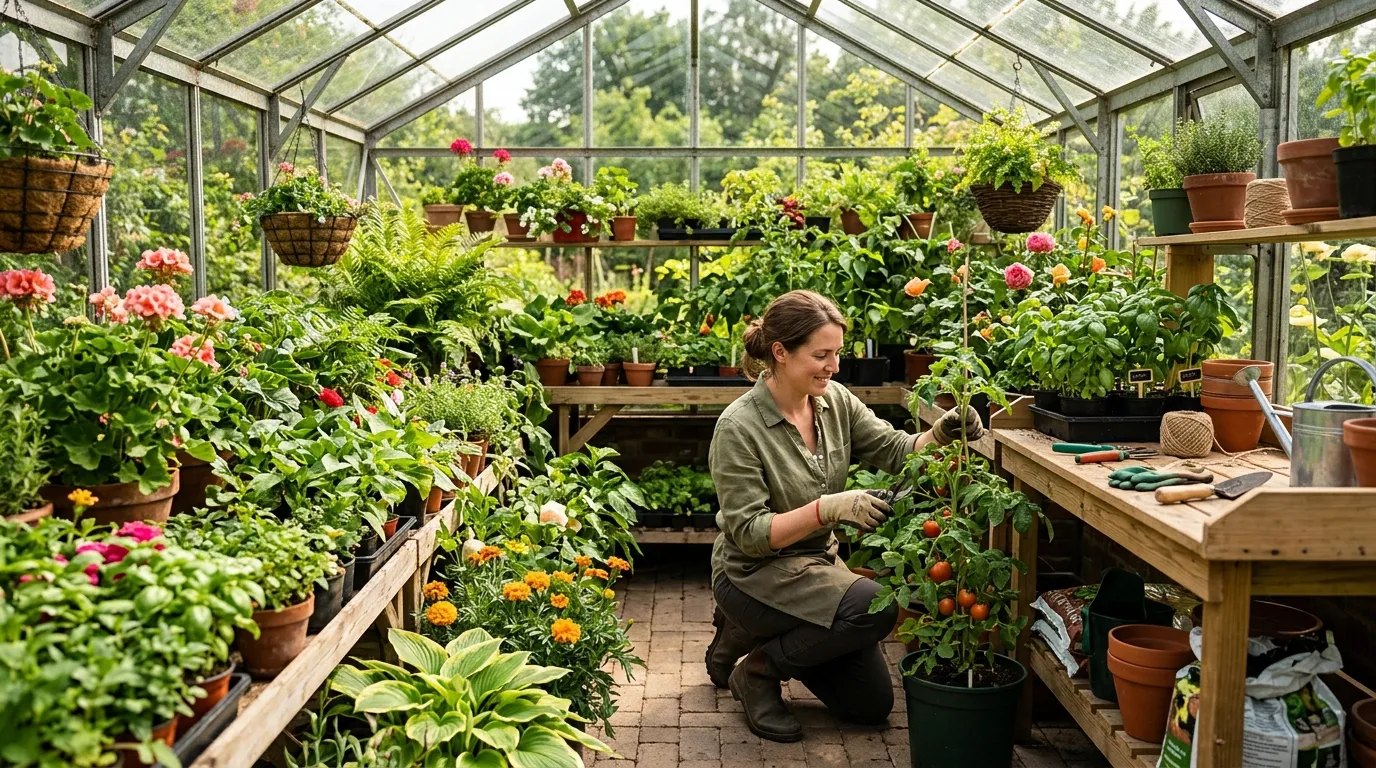
Discover how implementing effective greenhouse gardening tips can revolutionize modern classrooms. Integrating nature into educational environments fosters calmness, boosts student focus, and cultivates hands-on learning experiences.
This comprehensive guide explores the intersection of botany and education. By leveraging practical greenhouse gardening tips, you will learn actionable strategies to set up educational greenhouses, choose the right plants, and integrate therapeutic horticulture into curriculums, creating a highly focused, stress-free learning atmosphere.
Why greenhouse gardening tips Matter in Educational Development

Bringing plants into the educational sphere does much more than simply beautify a school campus. It fundamentally shifts how students interact with their surrounding learning environment. Educators who actively implement these advanced greenhouse gardening tips consistently notice immediate, measurable improvements in classroom behavior, emotional regulation, and long-term cognitive retention. When schools invest in nature-based infrastructure, they invest in the holistic well-being of their student body.
The Behavioral Psychology of Plants and Learning
Extensive research from leading botanical organizations like the American Horticultural Society demonstrates that interacting directly with nature significantly lowers cortisol levels in children and adults alike. When students step into a lush, thriving green environment, their baseline stress and anxiety decrease. This physiological shift opens the cognitive door for much deeper concentration and academic retention. Incorporating a hands-on STEM curriculum within a dedicated greenhouse setting allows abstract scientific concepts to become tangible, interactive realities. Students who struggle to sit still at a standard desk often find grounding and focus when given physical tasks like planting, watering, and pruning.
Bridging the Gap with Experiential Learning
Standard textbooks offer valuable educational frameworks, but a well-maintained greenhouse offers a dynamic, living laboratory. Students can observe the complex nitrogen cycle, the miracle of photosynthesis, and the delicate balance of micro-ecosystems in real time. Providing students with a structured botanical education program encourages a profound sense of responsibility and stewardship. When a child waters a tiny seed, cares for it daily, and watches it sprout into a food-producing plant, they develop agency, patience, and accomplishment.
Technical Setup: Structuring the Ideal Educational Greenhouse
Designing a fully functional greenhouse for students requires specific, highly technical considerations regarding structural safety, student accessibility, and long-term durability. Effective greenhouse gardening tips emphasize that the foundation of your program relies heavily on the physical structure you build.
Choosing the Right Greenhouse Materials
Selecting the correct structural framework forms the absolute foundation of your outdoor classroom. Schools must carefully balance inevitable budget constraints with long-term longevity, weather resistance, and student safety.
|
Greenhouse Type |
Primary Material |
Overall Durability |
Light Transmission |
Best Application |
|---|---|---|---|---|
|
Traditional Glass |
Tempered Safety Glass |
Extremely High |
Excellent |
High-budget, permanent structures |
|
Polycarbonate |
Twin-wall rigid plastic |
High (shatterproof) |
Good |
Most school garden initiatives |
|
Hoop House |
UV-treated Polyethylene |
Moderate |
Good |
Budget-friendly, seasonal growing |
|
Geodesic Dome |
Aluminum & Poly-film |
Very High |
Excellent |
Specialized science academies |
Climate Control Systems for Student Comfort
An overheated, poorly ventilated greenhouse creates immediate physical distraction, completely defeating the fundamental goal of cultivating a calm learning environment. Among the most critical greenhouse gardening tips is the proper management of HVAC (Heating, Ventilation, and Air Conditioning) systems. Install automatic vent openers, exhaust fans, and reliable, retractable shade cloths. Proper cross-ventilation ensures that both the delicate plants and the active students remain completely comfortable. Incorporate oscillating fans to continuously simulate natural outdoor breezes, which strengthens plant stems through thigmotropism and keeps the stagnant air fresh for learners.
Advanced Watering and Irrigation Strategies
Hand-watering teaches valuable responsibility, but relying entirely on students can lead to inconsistent moisture levels. Integrating automated drip irrigation systems alongside manual watering stations provides the perfect balance. Drip irrigation conserves water by delivering moisture directly to the root zone, minimizing fungal diseases on the foliage. Teaching students how to calibrate and program these automated timers serves as an excellent introduction to agricultural technology and water conservation principles.
Mastering Soil Health and Organic Composting Systems

Healthy plants begin with incredibly healthy soil. Teaching students about the complex soil microbiome is a cornerstone of any effective environmental curriculum. Successful greenhouse gardening tips always prioritize the living ecosystem beneath the surface.
Building the Soil Microbiome
Avoid sterile, lifeless potting mixes if you want to teach true ecology. Instead, introduce students to the fascinating world of beneficial bacteria, mycorrhizal fungi, and nematodes. Show them how adding organic compost increases the soil’s cation exchange capacity, allowing plants to absorb nutrients more efficiently.
Establishing an Integrated Composting Station
Every educational greenhouse should feature a dedicated composting system. Have students collect organic waste from the school cafeteria—like apple cores, banana peels, and vegetable scraps—and bring them to the greenhouse compost bins. Managing a vermicomposting (worm composting) bin is particularly engaging for younger learners. They can observe how red wiggler worms break down organic matter into nutrient-rich castings, directly linking food waste reduction to plant vitality.
Seasonal Plant Rotations for Continuous Learning
To maximize educational value throughout the entire academic calendar, educators must implement strategic crop rotation schedules. These greenhouse gardening tips ensure the space remains active, engaging, and highly productive from the first day of autumn classes to the final bell of spring.
Autumn Plantings (September to November)
Start the school year with fast-growing, cool-weather crops. Leafy greens like spinach, kale, and Swiss chard establish quickly in the moderating temperatures of fall. Root vegetables such as carrots, beets, and radishes are excellent choices because they teach students about subterranean plant development. Planting garlic bulbs in late autumn teaches long-term patience, as they will not be ready to harvest until the end of the school year.
Winter Maintenance (December to February)
In colder climates, winter inside the greenhouse requires careful management. Use this time to focus on frost-hardy varieties or rely on supplemental heating to maintain tender plants. Winter is the ideal season to focus heavily on outdoor learning modules centered around plant biology, seed catalog browsing, and garden planning for the upcoming spring. Focus on microgreens and indoor sprouting systems that require minimal sunlight but yield rapid, edible results for the classroom.
Spring Explosions (March to June)
Spring is the busiest, most exciting time in the educational greenhouse. Students can start seeds in specialized trays for tomatoes, peppers, eggplants, and cucumbers. This is the perfect time to teach the vital concepts of seed germination, cotyledons, and transplanting shock. As the weather warms, students can transition these established seedlings into larger outdoor raised beds, completing the full seed-to-harvest lifecycle before leaving for summer break.
Pro Tips for Maximizing Student Engagement
To truly transform education through therapeutic horticulture, teachers must strategically weave practical garden tasks into daily classroom routines. Follow these advanced greenhouse gardening tips to maximize participation:
- Assign highly specific plant zones to different grade levels to build a fierce sense of ownership and healthy competition.
- Integrate fine arts classes by having students closely sketch botanical developments and paint watercolor portraits of the blooming flowers.
- Utilize digital data logging tools so mathematics students can diligently track temperature fluctuations, humidity percentages, and daily growth rates.
- Cultivate highly sensory plants like peppermint, lavender, and lemon balm to directly engage students’ olfactory senses and promote grounding mindfulness.
- Partner proactively with local agricultural extension experts and master gardeners to host interactive guest lectures inside the greenhouse environment.
- Assign older students as “Greenhouse Ambassadors” to mentor younger children in proper watering and harvesting techniques.
Strategic Plant Selection for Calm and Focus

Not all plants perfectly suit an educational setting. You want fast-growing, highly resilient varieties that gracefully tolerate occasional overwatering, underwatering, or general neglect by enthusiastic but inexperienced learners. Implementing smart greenhouse gardening tips means choosing the right flora.
Quick-Win Edible Crops
Radishes, microgreens, bush beans, and loose-leaf lettuces sprout incredibly quickly. This rapid biological growth cycle keeps impatient students highly engaged and provides incredibly quick rewards for their physical efforts. Seeing a tiny green plant emerge from the dark soil within mere days builds immense momentum and long-term excitement for ongoing botanical studies.
Sensory and Emotionally Calming Varieties
Chamomile, lavender, and rosemary offer deeply soothing aromatic scents that naturally reduce physiological anxiety and promote classroom focus. Succulents and cacti teach fascinating lessons about evolutionary adaptation and require minimal watering upkeep, making them absolutely perfect for younger students learning the fundamental basics of plant care without the risk of easily killing their projects.
Common Mistakes to Avoid in School Gardens
Even the most enthusiastic, well-meaning educators can severely stumble when setting up a new greenhouse program. Steer clear of these incredibly frequent pitfalls to ensure your botanical program thrives year after year.
- Ignoring Critical Summer Maintenance: Plants desperately need consistent care when school is completely out of session. Create a robust summer volunteer roster heavily involving local parents, neighborhood community members, and enthusiastic staff.
- Overcrowding the Physical Space: Plants require ample airflow to completely prevent devastating fungal diseases. Leave very wide, easily navigable aisles so large groups of energetic students can move comfortably without accidentally knocking over delicate pots.
- Focusing Exclusively on Science: A well-designed greenhouse serves absolutely every academic subject. Failing to actively include language arts (nature poetry), history (heritage crops), or mathematics (geometry of garden beds) severely limits the educational potential of the expensive space.
- Using Dangerous Chemical Pesticides: Always emphatically opt for Integrated Pest Management (IPM) techniques and introduce natural predators like ladybugs or lacewings. Chemical solutions pose unacceptable safety risks to young learners and destroy the natural ecosystem.
Measuring the Impact on Student Well-being
Schools actively implementing structured greenhouse programs consistently report significantly lower disciplinary incidents and higher attendance rates. By providing a quiet, highly tactile retreat, students who frequently struggle with the overwhelming stimuli of traditional classroom settings find a peaceful space where they can genuinely thrive. Consult excellent resources from Edutopia on exactly how nature-based learning environments directly support neurodivergent students by dramatically reducing sensory overload and providing repetitive, calming physical tasks. Utilizing expert greenhouse gardening tips creates an inclusive environment for all cognitive types.
Conclusion
Implementing highly effective greenhouse gardening tips offers a uniquely powerful pathway to dramatically enhance modern educational outcomes. By seamlessly blending hands-on, therapeutic horticulture with traditional, rigorous academics, schools beautifully nurture both the growing plants and the developing young minds. Start your strategic journey today to effectively build a calming, hyper-focused environment where absolutely every single student has the wonderful opportunity to naturally grow, learn, and thrive.
Frequently Asked Questions
What are the best greenhouse gardening tips for beginners in a school setting?
Start with robust, fast-growing plants like radishes or herbs. Ensure you establish a reliable watering schedule, prioritize good ventilation to prevent mold, and actively involve students in daily tasks to build their confidence and responsibility.
How does a greenhouse improve student focus and calm?
Greenhouses provide a quiet, tactile environment that acts as a sensory break from digital screens and noisy classrooms. The practice of horticultural therapy lowers stress hormones, allowing students to return to academic tasks with renewed concentration.
What temperature should an educational greenhouse be kept at?
Ideally, a mixed-use educational greenhouse should be maintained around 65°F to 75°F during the day, with nighttime temperatures not dropping below 55°F. This accommodates a wide variety of standard educational crops.
How can I integrate greenhouse gardening tips into a math curriculum?
Students can use the greenhouse to measure plant growth rates, calculate the volume of soil needed for various containers, track daily temperature fluctuations, and budget the costs for seeds and equipment.
What is the biggest mistake when managing a school greenhouse?
The most common mistake is poor holiday planning. Without a scheduled watering and climate control plan during winter or summer breaks, entire crops can die, wasting a semester’s worth of educational effort.
Can greenhouse gardening tips help with student behavioral issues?
Yes. The structured, quiet nature of caring for plants provides a non-judgmental space for students. The physical activity and tangible rewards of gardening help regulate emotions and decrease disruptive behaviors.
What are the most educational plants to grow in a school greenhouse?
Sensory herbs (mint, basil), fast-yielding vegetables (cherry tomatoes, microgreens), and visibly fascinating plants like sensitive plants (Mimosa pudica) or sunflowers are excellent for keeping students engaged and curious.
How do we fund a school greenhouse program?
Many schools fund their programs through community grants, PTA sponsorships, or by using the greenhouse itself to grow and sell seedlings and organic produce to local community members.
Why is ventilation so important in greenhouse gardening tips?
Without proper ventilation, humidity levels skyrocket, creating an ideal environment for fungal diseases like powdery mildew and pests like aphids. Fresh airflow is critical for healthy plant respiration.
Do we need artificial lighting in an educational greenhouse?
If you are located in a region with dark winters or if the greenhouse is shaded during parts of the day, supplemental LED grow lights are highly recommended to ensure consistent plant growth and year-round learning opportunities.
