

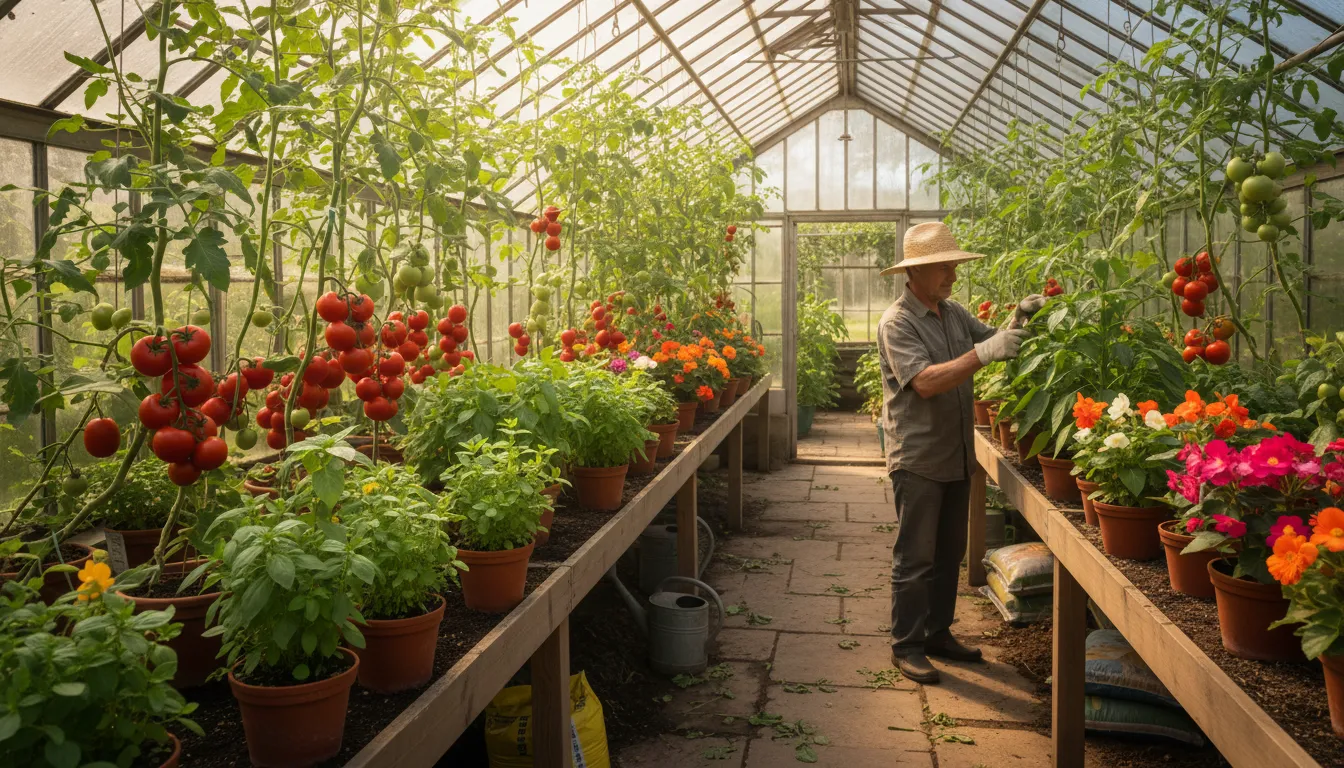
Looking for calm and focus in your educational journey? Discovering the right greenhouse gardening tips can transform your learning environment, providing practical agricultural skills alongside profound mental clarity and stress relief.
This comprehensive guide explores essential greenhouse gardening tips to help educators and hobbyists cultivate thriving plants. You will learn actionable strategies for temperature control, proper ventilation, soil preparation, and pest management. Ultimately, these practices create a peaceful, productive space that fosters deep focus, sustainable living, and continuous hands-on learning.
The Educational Power of a Greenhouse Environment

Modern education and daily life often move at a frantic pace, leaving students and professionals feeling overwhelmed. Integrating a greenhouse into an educational curriculum or a home learning environment provides a unique sanctuary. When you apply effective greenhouse gardening tips, you do more than just grow plants; you cultivate patience, scientific observation, and mindfulness.
The controlled environment of a glasshouse strips away digital distractions. Working with soil, monitoring humidity, and tracking seed germination requires a level of focused attention that naturally reduces anxiety. Research from institutions like Cornell University highlights the therapeutic and cognitive benefits of horticulture. By mastering the microclimate of a greenhouse, learners engage in hands-on STEM education involving biology, thermodynamics, and ecology, all while grounded in a calming, nature-rich setting.
Whether you manage a school community garden or a backyard hobby structure, understanding the foundational principles of protected agriculture is vital. Applying the right strategies ensures your plants thrive while maximizing the educational and psychological benefits of the space.
Foundational greenhouse gardening tips for Beginners
Starting a protected garden requires more than just erecting a glass or polycarbonate structure. You must actively manage the internal ecosystem. Following these foundational greenhouse gardening tips ensures your plants survive the initial transition and flourish throughout the seasons.
Choosing the Optimal Location
The success of your growing space begins before you even build it. Location dictates how much natural energy your plants receive. Position your structure to receive maximum sunlight, ideally facing south or southeast if you live in the Northern Hemisphere. This orientation captures the morning sun, warming the interior early in the day when temperatures are typically the lowest.
Avoid placing the structure directly beneath large deciduous trees. While trees provide summer shade, falling branches can shatter glass panels, and shedding leaves will rapidly clog your gutters and block vital winter light. Ensure the site is level and has excellent drainage to prevent water pooling around the foundation, which can lead to structural rot and internal pest infestations.
Understanding Climate Control and Temperature
A greenhouse captures solar radiation, but without intervention, it cannot regulate itself. During the day, temperatures can skyrocket to lethal levels for plants, while nighttime temperatures can plummet, causing frost damage. Reliable climate control is non-negotiable.
Invest in a high-quality digital maximum-minimum thermometer to track temperature fluctuations. For cool-weather crops like spinach and kale, aim for daytime temperatures around 65°F. For heat-loving plants like tomatoes and peppers, maintain temperatures between 75°F and 85°F. Use thermal mass water barrels painted black to absorb heat during the day and naturally release it at night, providing an eco-friendly heating solution.
Mastering Ventilation and Airflow
Stagnant air is the enemy of a healthy glasshouse. Without proper airflow, humidity spikes, creating a perfect breeding ground for fungal diseases like powdery mildew and botrytis. Ventilation introduces fresh carbon dioxide, which plants desperately need for photosynthesis, while simultaneously expelling excess heat and moisture.
Install automated roof vents equipped with wax-filled cylinders that expand and push the vents open when the interior gets too hot. Complement these roof vents with louvered side windows to create a natural cross-breeze. Additionally, keep oscillating circulation fans running constantly to strengthen plant stems and keep foliage dry.
Soil Preparation and Strategic Plant Selection

Because plants in a protected environment grow in confined beds or containers, their soil quality must be exceptionally high. You cannot rely on native backyard dirt, which often compacts easily and harbors outdoor pests.
Creating the Best Soil Mixes
Use a high-quality, sterile potting mix formulated specifically for container or greenhouse growing. A standard educational recipe includes 60% peat moss or coconut coir for moisture retention, 20% perlite or vermiculite for drainage, and 20% mature compost for nutrient density.
If you are growing in raised ground borders within the structure, amend the native soil heavily with organic matter. Incorporate worm castings and organic slow-release fertilizers to ensure a steady supply of nitrogen, phosphorus, and potassium. Test your soil pH regularly; most vegetables thrive in a slightly acidic range between 6.0 and 6.8.
What to Grow First
Beginners should focus on high-yield, forgiving crops to build confidence and maintain focus. Radishes, leaf lettuce, and spinach germinate quickly and tolerate temperature swings, making them perfect for early spring or late autumn education projects.
Once you master the basics, progress to classic greenhouse staples like indeterminate tomatoes, slicing cucumbers, and sweet bell peppers. These crops benefit immensely from the extended growing season and physical protection from heavy rains and wind.
Pro Tips and Expert Insights for Ultimate Yields
To elevate your protected agriculture skills from amateur to expert, integrate these advanced strategies into your daily routine.
- Practice Successive Sowing: Do not plant all your seeds at once. Sow small batches of lettuce or radishes every two weeks to guarantee a continuous, manageable harvest rather than an overwhelming surplus.
- Utilize Vertical Space: Maximize your square footage by growing vining crops upwards. Train cucumbers and indeterminate tomatoes up sturdy twine dropped from the roof frame. This improves airflow around the leaves and makes harvesting incredibly easy.
- Implement Companion Planting: Grow basil and marigolds alongside your tomatoes. The strong scents of these companion plants naturally deter aphids and whiteflies, reducing the need for chemical pesticides.
- Damp Down in Summer: On blistering summer days, pour water directly onto the brick or gravel pathways. As the water evaporates, it dramatically lowers the ambient air temperature and raises the humidity, saving your plants from heat stress.
Comparison Table: Freestanding vs. Lean-To Greenhouses
Choosing the right structure impacts your entire gardening curriculum. Compare the two primary styles to determine which fits your educational goals.
|
Feature |
Freestanding Greenhouse |
Lean-To Greenhouse |
|---|---|---|
|
Light Exposure |
Excellent; receives sunlight from all four sides. |
Limited; heavily dependent on the orientation of the supporting wall. |
|
Space & Size |
Highly customizable; can be built as large as the property allows. |
Restricted by the length and height of the existing attached structure. |
|
Heating Efficiency |
Loses heat rapidly on all sides; requires more winter heating. |
Highly efficient; absorbs radiant heat from the attached building’s wall. |
|
Accessibility |
Requires walking out into the yard; good for dedicated focus. |
Extremely convenient; often accessible directly from inside the house. |
|
Installation Cost |
Generally higher due to four complete walls and standalone foundation. |
Lower, as it utilizes an existing wall for structural support. |
Common Mistakes to Avoid in Greenhouse Gardening
Even enthusiastic educators and hobbyists can derail their progress by falling into common traps. Avoid these pitfalls to maintain a calm, stress-free growing environment.
Overwatering and Poor Drainage
The enclosed nature of a glasshouse reduces water evaporation from the soil compared to an outdoor garden. Water only when the top inch of the soil feels dry to the touch. Overwatering suffocates root systems and leads to fatal root rot. Always ensure your pots and benches have adequate drainage holes.
Ignoring Pest Management Protocol
Because a greenhouse lacks natural predators like ladybugs and birds, a minor pest issue can explode into a massive infestation within days. Inspect the undersides of leaves weekly for spider mites and aphids. Introduce beneficial insects into your enclosure early in the season, and immediately quarantine any sick or heavily infested plants.
Failing to Provide Adequate Shade
While plants love the sun, the magnified rays of mid-July can scorch tender foliage. Failing to use shade cloth is a critical error. Install a 40% to 50% reflective shade cloth over the roof during the peak summer months to diffuse the intense light and keep the interior climate manageable.
Advanced Strategies for Year-Round Growth

A major advantage of protected agriculture is the ability to ignore the outdoor seasons. With precise management, your educational space can remain active in the dead of winter.
Winter Heating Strategies
If you intend to grow tropical plants or harvest tomatoes in January, passive solar heating will not suffice. Install a thermostatically controlled electric or propane heater. To conserve energy, line the interior walls with horticultural bubble wrap, which acts as double glazing. Additionally, use seedling heat mats under your propagation trays; warming the root zone is often more effective and cheaper than heating the entire air volume of the structure.
Summer Cooling Techniques
Summer presents the opposite challenge. When outdoor temperatures exceed 90°F, the interior can become an oven. Beyond automated vents and fans, consider installing an evaporative cooling system or a misting setup. These systems spray microscopic water droplets into the air, rapidly absorbing heat energy as they flash-evaporate, keeping the environment safe for both the plants and the gardeners working inside.
Creating a Sustainable Curriculum
To truly transform education through calm and focus, weave these agricultural practices into daily lesson plans. Assign students specific responsibilities, such as monitoring the digital thermometer, recording watering schedules, or charting the growth rate of specific cultivars.
This delegation fosters accountability and a deep connection to the natural world. The routine of tending to the garden provides a reliable, meditative anchor in a student’s day, proving that the best classrooms are sometimes built of glass and filled with soil. By implementing these expert greenhouse gardening tips, you ensure that the space remains productive, inspiring, and endlessly educational.
Conclusion
Embracing protected agriculture offers a profound way to combine practical botany with mental clarity. By implementing these greenhouse gardening tips, you can efficiently manage climate, soil, and plant health, transforming any glass structure into a thriving sanctuary of learning. Ready to elevate your growing skills and cultivate a space of ultimate focus? Start applying these techniques today and watch your educational garden flourish year-round.
Frequently Asked Questions
1. What are the most important greenhouse gardening tips for a complete beginner?
The most critical tips are to monitor your temperature closely, ensure you have adequate ventilation to prevent mold, and start with easy-to-grow crops like leafy greens or radishes before moving to complex vegetables.
2. How do I stop my greenhouse from overheating in the summer?
You must combine multiple strategies: open all roof and side vents, run oscillating fans, apply a 50% shade cloth to the roof, and “damp down” the floors with water to utilize evaporative cooling.
3. Do I need to heat my greenhouse in the winter?
It depends entirely on what you want to grow. If you only want to overwinter hardy crops like kale and carrots, passive solar heat and frost blankets may be enough. For tomatoes or tropicals, you absolutely need an active heater.
4. How often should I water plants inside a greenhouse?
Because humidity is higher inside, plants generally need less frequent watering than outdoor plants. Check the soil daily and water only when the top inch is completely dry to prevent root rot.
5. What is the best way to pollinate plants indoors?
Since bees and wind are blocked by the walls, you must hand-pollinate. For tomatoes and peppers, gently shake the plant stems daily. For squash and cucumbers, use a small paintbrush to transfer pollen from male to female flowers.
6. Why are my seedlings growing tall and spindly?
This condition, known as “legginess,” occurs when seedlings do not receive enough intense light or are grown in temperatures that are too warm. Ensure they get full sun or use supplemental LED grow lights.
7. How can I control aphids and spider mites naturally?
Maintain high hygiene by removing dead leaves promptly. Introduce beneficial insects like ladybugs and predatory mites, and use insecticidal soap or neem oil sprays at the first sign of an outbreak.
8. What kind of soil is best for greenhouse containers?
Never use heavy garden dirt. Use a light, sterile potting mix composed of peat moss or coir, perlite for aeration, and high-quality compost for nutrition.
9. Can I grow vegetables in a greenhouse year-round?
Yes, with the proper setup. You will need supplemental heating and full-spectrum LED grow lights to compensate for short, cold winter days, but year-round harvesting is highly achievable.
10. How does greenhouse gardening improve focus and education?
The hands-on, repetitive nature of gardening acts as a mindfulness exercise, reducing stress and anxiety. It also provides a living laboratory for students to learn biology, responsibility, and the scientific method in a calm environment.
