

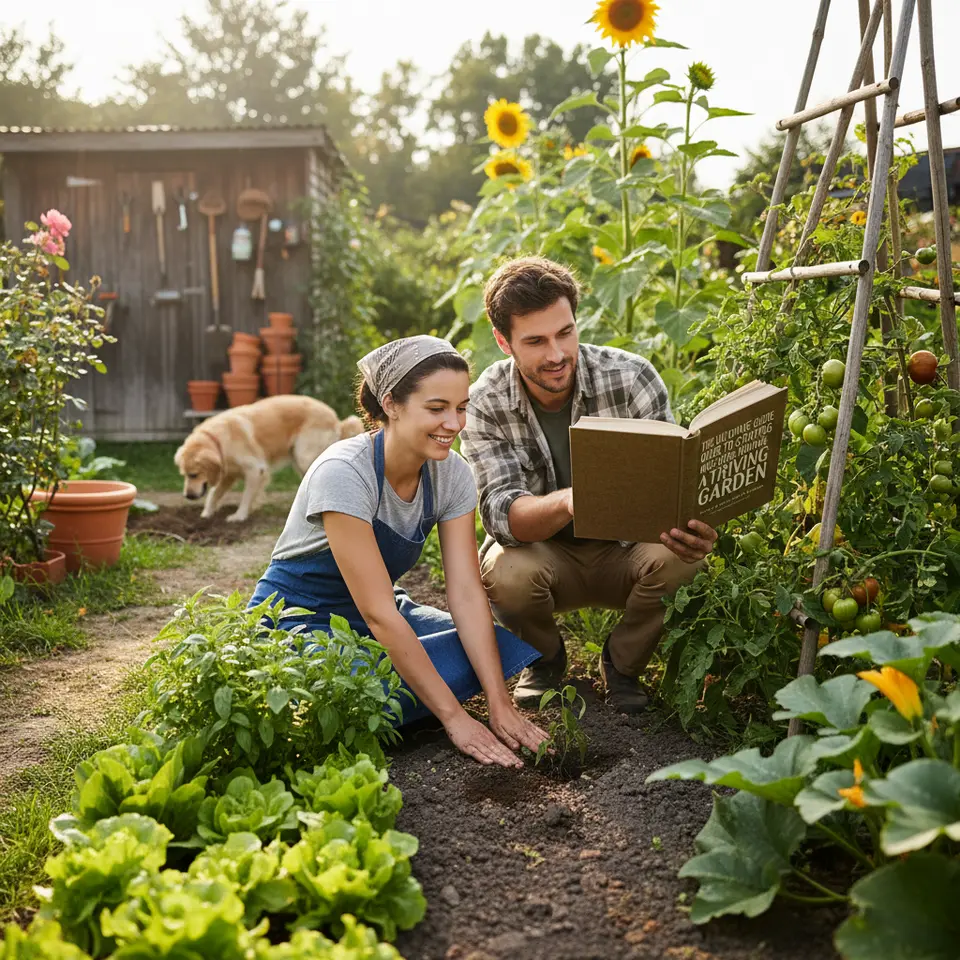
Explore this essential gardening guide to discover how schools use nature to improve student focus, reduce stress, and fundamentally transform traditional educational outcomes.
This comprehensive resource explores how integrating structured horticulture into school environments enhances academic success and student well-being. You will discover actionable curriculum strategies, psychological benefits, and practical steps to implement green spaces that actively improve cognitive function and emotional regulation.
The Intersection of Education and Nature
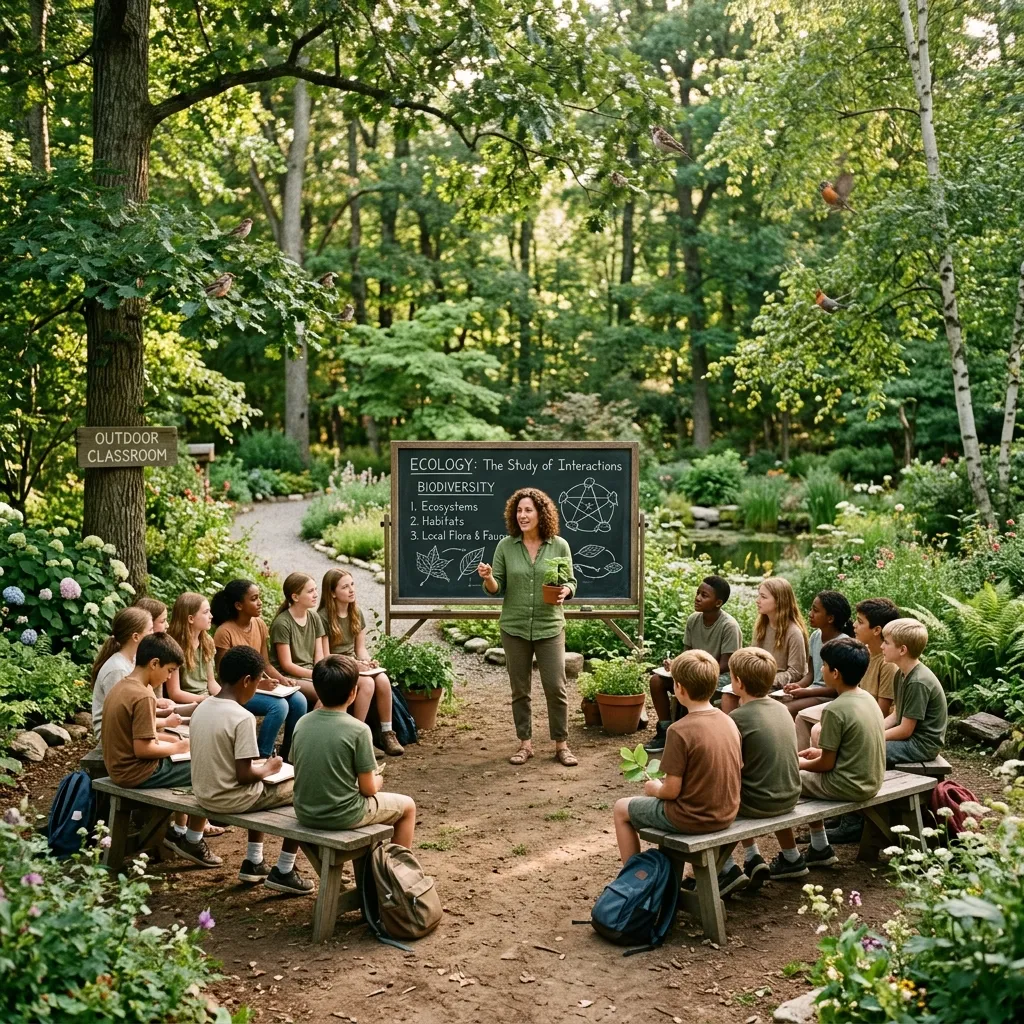
Educators continuously seek innovative methods to improve student engagement, mental health, and academic retention. While technology provides incredible tools for discovery, it frequently introduces distractions, screen fatigue, and shortened attention spans. To counteract these challenges, forward-thinking educational institutions are looking to the soil. They recognize that teaching students how to grow their own food using a detailed gardening guide provides profound psychological and cognitive benefits that traditional classroom environments simply cannot replicate.
When children step outside the standard classroom walls to follow an outdoor gardening guide, their baseline stress levels immediately begin to drop. Practicing horticulture offers a unique, highly tactile experience that demands presence, observation, and immense patience. Students cannot rush a seed to sprout faster, nor can they swipe a screen to bypass the natural growth cycle. This inherent natural pacing forces students to slow their minds down, carefully observe their immediate surroundings, and engage in deeply mindful activity that restorative environments naturally provide.
By integrating the steps found in a school gardening guide into the daily academic schedule, schools create essential sanctuaries of calm. The garden naturally evolves into a living laboratory where complex academic concepts merge seamlessly with emotional regulation techniques. Teachers consistently report that students who spend time digging in the dirt return to their desks significantly more focused, notably less anxious, and much better equipped to tackle rigorous academic challenges.
Benefits of a Thriving Garden
Embarking on the journey of starting and growing a thriving garden delivers a wealth of advantages that extend well beyond the visual appeal of blooming flowers or verdant foliage. One of the most immediate benefits is the boost to physical health. Engaging in routine tasks such as digging, planting, pruning, and weeding offers a low-impact form of strength training and cardiovascular activity. These movements enhance flexibility, build muscle endurance, and support joint mobility. Over time, gardeners often report improved posture and reduced back discomfort as they learn safe lifting and bending techniques.
Beyond physical gains, nurturing a thriving garden has a profound effect on emotional well-being. Recent studies indicate that spending time among plants can significantly reduce stress levels and enhance mood by lowering cortisol and promoting the release of serotonin. The sensory experience—fresh aromas, rich soils, and vibrant colors—creates a therapeutic oasis where worries fade. For many individuals, this connection with living things cultivates a stronger sense of purpose and fosters resilience against daily pressures.
On a broader scale, integrating garden-grown produce into your diet supports sustainable living. Harvesting your own fruits, vegetables, and herbs minimizes packaging waste, decreases transportation emissions, and allows you to monitor exactly what goes onto your plants. This reduces exposure to unnecessary chemicals and ensures you enjoy the freshest ingredients available. Furthermore, community gardens and produce swaps strengthen neighborhood bonds, allowing gardeners to share tips, seeds, and surplus harvests, fueling a cycle of cooperation and local food security.
Lastly, gardening serves as an invaluable educational tool. Children who participate in planting and caring for seedlings learn foundational lessons in biology, ecology, and responsibility. Observing insects, soil microorganisms, and plant growth phases fosters curiosity and scientific thinking. Whether you’re a novice or seasoned green thumb, the act of growing a thriving garden offers lifelong learning opportunities and cultivates a deeper appreciation for the delicate balance that sustains life.
Determining the Ideal Garden Format
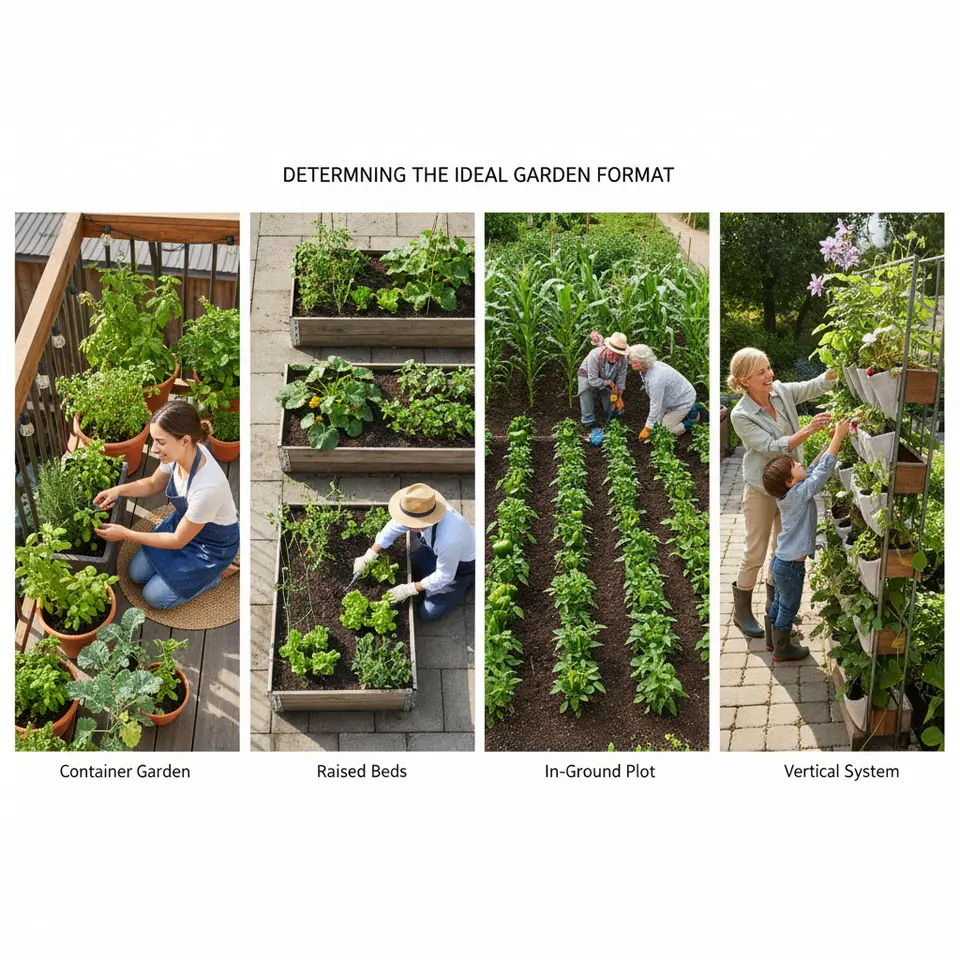
Selecting the right garden format is essential for maximizing both space and productivity when starting and growing a thriving garden. Factors such as sun exposure, soil quality, water access, and physical capability all influence which layout best suits your needs. The most popular garden formats include container gardens, raised beds, in-ground plots, and vertical systems. Each option has distinct advantages depending on your environment and goals.
Container Gardens
Container gardens thrive on patios, balconies, and small terraces. By growing herbs, greens, or compact vegetables in pots or troughs, you can transform even a modest area into a productive green space. Containers offer superb control over soil composition and drainage, allowing for custom potting mixes to match specific plant needs. They are also mobile, enabling you to reposition plants for optimal sunlight throughout the day. However, containers often require more frequent watering and may limit the root expansion of larger crop varieties.
Raised Beds
Raised beds have surged in popularity for their ergonomic design and improved soil conditions. Typically enclosed by wood, stone, or composite frame materials, these elevated planters offer excellent drainage and soil aeration. Gardeners can fill raised beds with enriched topsoil and compost, bypassing the limitations of native ground soil. This format reduces back strain, making planting and harvesting more accessible, particularly for individuals with limited mobility. Raised beds also warm up faster in spring, extending the growing season in cooler climates.
In-Ground Plots
Traditional in-ground gardening remains a favorite for extensive vegetable patches and perennial rows. When the native soil is fertile and well-drained, planting directly in the earth can yield high volumes of produce. This method often requires less structural investment upfront, but soil amendment and weed management become critical. Implementing crop rotation and cover-cropping techniques helps maintain soil health and minimize pests. Crafting clearly defined rows or patches ensures efficient workflow and easier maintenance.
Vertical Systems
Vertical gardening systems, including trellises, wall-mounted planters, and towers, optimize limited horizontal space by encouraging upwards growth. Ideal for climbing beans, tomatoes, cucumbers, and ornamental vines, vertical structures also improve airflow and sunlight penetration—key factors in disease prevention. While initial setup can be more involved, the space-saving benefits make vertical gardens a powerful option for urban environments or compact backyard plots.
When choosing a garden format, it’s wise to consider future expansion and modularity. Starting with removable containers or modular raised bed kits allows you to experiment with different plant groupings and refine your layout over time. Note how microclimates within your space shift as seasons change, adjusting your configuration accordingly. Factoring in aesthetics, access paths, and potential integration of hardscape elements like benches or trellises will help in designing an inviting environment that supports both functional gardening and outdoor leisure.
Mapping and Preparing Your Growing Area
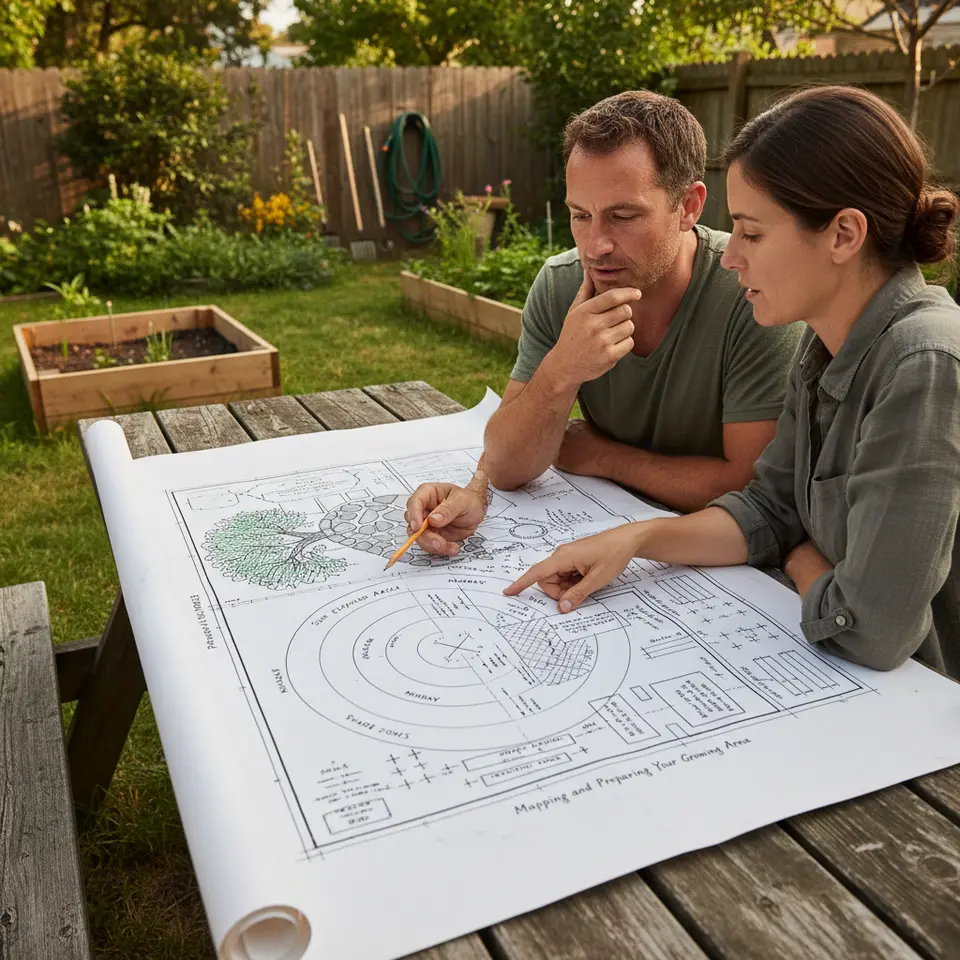
Careful planning and site preparation form the backbone of any successful effort to start and grow a thriving garden. The first step in plot design involves evaluating the light conditions throughout the day. Observe your chosen location during morning, afternoon, and evening to note areas of full sun, partial shade, and full shade. Most fruiting vegetables and flowering ornamentals require at least six hours of direct sunlight, while leafy greens and shade-tolerant plants can flourish with less exposure.
Next, draft a scaled sketch of your garden area, noting dimensions, existing structures, pathways, and sources of water. By creating a visual blueprint, you can allocate space efficiently, ensuring that taller plants do not overshadow shorter companions. Digital tools and gardening apps can assist in refining the layout, enabling rotations of plant families to reduce the risk of soil-borne diseases. Remember that rotational planning helps balance nutrient uptake and maintain soil vitality.
Testing your soil is an essential component of preparation. Use a home pH test kit or send samples to a local cooperative extension laboratory for a detailed analysis of nutrient levels, organic matter content, and soil texture. Most vegetables prefer a pH of 6.0 to 7.0, but specific crops may tolerate slight variations. Amend your soil accordingly by adding lime to raise pH or sulfur to lower it, following the recommendations provided by experts.
Implementing proper grading and drainage prevents waterlogging, which can lead to root rot and fungal issues. If standing water is a concern, consider incorporating raised beds or installing gravel trenches to divert excess runoff. Clear the planting area of debris, perennial weeds, and large stones. When tilling or forking the soil to break up compacted layers, aim for a depth of at least six inches to promote healthy root development.
Irrigation Planning
Designing an effective irrigation layout is integral to resource-efficient gardening. Begin by connecting your hose faucet or rain barrel to drip lines or soaker hoses, ensuring each planting zone receives water at its roots. Mark valves and timers that allow you to automate schedules and track usage. If you rely on rainfall capture systems, incorporate storage tanks and gravity-fed distribution to minimize reliance on municipal water. Recognizing the different water demands of young seedlings versus mature plants helps you program custom cycles. This holistic approach to irrigation planning reduces waste and cultivates robust root systems foundational to a thriving garden.
Comparing Traditional Classrooms vs. Garden-Based Learning
Understanding the distinct differences between standard instruction and outdoor education helps highlight the unique value of a nature-based program.
|
Feature |
Traditional Classroom Environment |
Nature-Based Learning Environment |
|---|---|---|
|
Primary Learning Style |
Passive, auditory, and visual |
Active, tactile, and kinesthetic |
|
Instructional Pacing |
Fast-paced, curriculum-driven |
Slow-paced, nature-driven |
|
Baseline Stress Levels |
High due to testing pressures |
Low, inherently calming environment |
|
Physical Engagement |
Minimal (sitting at desks) |
Moderate (digging, planting, walking) |
|
Focus and Attention |
Requires frequent redirection |
Spontaneous engagement, natural focus |
|
Sensory Input |
Artificial lighting, structural noise |
Natural sunlight, gentle ambient sounds |
Common Mistakes to Avoid in Educational Green Spaces
Launching a new program is exciting, but enthusiasm must be paired with practical strategy. A reliable gardening guide will warn you to avoid these frequent pitfalls to ensure your initiative thrives:
- Starting Too Big: Do not attempt to plow an entire acre during your first year. Start with just two or three manageable raised beds to allow teachers and students to learn the basics without becoming overwhelmed.
- Failing to Secure Summer Maintenance: Plants require consistent watering throughout July and August. Create a robust volunteer schedule for local families to maintain the space while classes are not in session.
- Ignoring Soil Quality: You cannot grow healthy plants in nutrient-dead dirt. Invest time and resources into building healthy compost and amending soil before planting.
- Siloing the Project: If only a single science teacher runs the outdoor space, the initiative will collapse if that teacher relocates. Involve the whole educational staff.
- Forcing Direct Participation: Some students genuinely fear insects. Offer meaningful alternative roles like designing layout maps or tracking weather data as suggested by any inclusive gardening guide.
Pro Tips for Sustaining Educational Engagement
To maximize the cognitive and emotional benefits, implement these expert strategies derived from a master gardening guide:
- Plant Fast-Growing Crops: Radishes, loose-leaf lettuce, and bush beans grow incredibly quickly. This provides students with immediate gratification and keeps their attention engaged.
- Implement Closed-Loop Composting: Teach genuine sustainability by actively turning cafeteria food waste into rich fertilizer.
- Leverage Local Expertise: Reach out to local master associations. These experts frequently provide free professional advice that can supplement your school’s official gardening guide.
- Designate Quiet Zones: Intentionally design specific, secluded areas explicitly for independent reading or emotional journaling.
- Celebrate the Harvest: Host a seasonal tasting party where students prepare the food they grew. This reinforces the practical value of their hard work.
Cultivating Soil and Selecting Plants
Robust soil health is fundamental when starting and growing a thriving garden. While native soils vary greatly by region, there are universal practices you can apply today to enrich your planting beds. Begin by incorporating ample organic matter such as well-aged compost, leaf mold, or nobleman’s layers. Aim to distribute two to four inches of these materials across the surface and work them into the top six to eight inches of soil. This boosts microbial activity, enhances nutrient retention, and improves texture.
For tailored guidance on soil amendment, resources like USDA and Penn State Extension offer comprehensive guides on fertility management. Performing a nutrient assay will inform you if additional supplements—such as bone meal for phosphorus or blood meal for nitrogen—are necessary. Avoid overapplication, as excessive fertility can lead to imbalanced growth and environmental runoff.
While enriching soil, avoid over-sterilization practices that eliminate beneficial organisms. Rather than using chemical fumigants, employ solarization techniques—covering beds with clear plastic for several weeks during peak sun—to naturally reduce pathogens. This eco-friendly alternative protects earthworms and beneficial microbes that support nutrient cycling in a thriving garden.
Crop Selection and Sourcing
Choosing high-quality seeds and healthy starter plants lays the groundwork for a vigorous garden. Source seeds from reputable seed companies that offer region-specific varieties bred for disease resistance and climate tolerance. Many colleges of agriculture and research institutions publish trials on cultivar performance, so lean on their findings to guide your choices. When purchasing transplants, inspect root systems for signs of crowding or root-bound conditions, which can impede early growth. Certified organic suppliers can also help you avoid hybrid varieties that may not breed true-to-type when saving seeds.
When selecting plant varieties, consider your USDA hardiness zone, microclimate, and personal preferences for colors, flavors, and growth habits. Review seed catalogs and plant tags for information on days to maturity, sun requirements, and disease resistance ratings. Integrate companion planting strategies to deter pests and promote mutual benefits. For instance, pairing onions with carrots can reduce root fly infestations, while marigolds planted near tomatoes may suppress nematodes.
Succession planting extends your harvest window by allowing multiple plantings of the same crop at staggered intervals. Start with cool-season varieties such as spinach or peas in early spring, then transition to heat-tolerant crops like peppers and eggplants as temperatures rise. Consider a mix of perennials—such as asparagus and berries—alongside fast-growing annuals to balance long-term yield with quick turnover. By diversifying plant selection, you also minimize the risk of total crop failure due to pests or adverse weather.
Maintenance Practices for a Flourishing Plot
Consistent care is key when maintaining a thriving garden throughout the seasons. Water management holds top priority. Rather than light daily sprinkles, opt for deep watering sessions one to two times per week, ensuring moisture penetrates the root zone. Tools such as soaker hoses or drip irrigation deliver water directly to the base of plants, reducing evaporation and leaf wetness that can foster fungal diseases.
Mulching is another essential maintenance strategy. Applying two to three inches of organic mulch—such as straw, wood chips, or shredded leaves— helps stabilize soil temperature, retain moisture, and suppress weed growth. Over time, mulch decomposes, contributing additional nutrients and organic matter back to the soil.
Pest and disease monitoring protects your investment in a thriving garden. Regularly inspect foliage and stems for early signs of aphids, beetles, or fungal spots. Encouraging beneficial insects like ladybugs and lacewings creates a natural defense mechanism. Floating row covers can shield vulnerable seedlings from cabbage worms and other pests, while neem oil sprays offer an organic control option approved by many certification bodies.
Seasonal tasks vary based on your climate but generally include pruning and deadheading in spring, harvesting at peak ripeness in summer, and clearing spent plants in fall. Cover cropping during colder months replenishes soil nitrogen and prevents erosion. Winter preparations may involve cleaning tools, sharpening blades, and planning next year’s crop rotations. By staying proactive and organized, you ensure your garden remains vibrant and productive in this year (2026) and beyond.
Record-Keeping and Observations
Keeping detailed notes and sketches of planting dates, harvest yields, pest outbreaks, and weather patterns empowers ongoing improvement. Use a garden journal or digital spreadsheet to track which varieties thrived under your specific conditions this year (2026). Annotate successes and challenges to refine rotation plans and planting schedules. Regular observation encourages early detection of nutrient deficiencies or emerging diseases, allowing swift corrective action. Over time, these records become an invaluable reference, shaping a personalized roadmap toward a more productive and resilient thriving garden.
Conclusion
Starting and growing a thriving garden is both a rewarding hobby and a sustainable practice that benefits your health, environment, and community. By following the structured approach outlined—from evaluating your site and enriching soil to choosing compatible plants and applying consistent maintenance—you set the foundation for lasting success. Today, more resources than ever are available through institutions like USDA and university extensions to guide gardeners at every skill level.
The journey of gardening invites experimentation, patience, and continuous learning. As you observe each seedling unfurl and every blossom burst into color, you’ll appreciate the delicate interplay between science and art that defines a thriving garden. Embrace the changes of each season, adapt your techniques, and allow your outdoor space to evolve into a flourishing sanctuary. Remember to engage in community seed exchanges, attend workshops, and consult emerging research to stay informed. With dedication and informed practices, your garden will thrive now and for seasons to come.
Frequently Asked Questions
1. What exact practices make a school garden fully organic?
An organic approach strictly avoids synthetic chemical pesticides and artificial fertilizers. Instead, students learn to use natural, sustainable methods like hot composting, strategic crop rotation, and introducing beneficial predatory insects to maintain plant health and long-term soil vitality.
2. How do busy teachers find the time to use a gardening guide?
The most successful schools do not add this time on top of an already packed curriculum; they deeply integrate it. A teacher might conduct a standard biology lesson, a complex math geometry application, or a creative writing session outside directly in the green space.
3. Can densely populated urban schools build an outdoor space?
Absolutely. Urban schools with limited space can easily utilize small container plantings, vertical wall structures, rooftop spaces, or raised beds over asphalt to create a thriving environment.
4. How does outdoor learning actively reduce student anxiety?
The natural, outdoor environment provides a critical sensory break from enclosed classrooms. Additionally, the physical, repetitive act of caring for a living thing deeply promotes mindfulness, forcing anxious students to ground themselves in the present moment.
5. Are there grants available to help fund these initiatives?
Yes, numerous local, state, and national organizations offer substantial grants specifically designed for school initiatives, environmental science, and holistic school health programs.
6. How do we keep the plants alive during summer break?
Most successful schools establish a structured adoption program where local neighborhood families take turns watering and weeding for assigned weeks during the summer months.
7. What academic subjects benefit most from a gardening guide?
While science and mathematics are the most obvious direct fits, language arts classes benefit immensely from outdoor nature journaling, and history classes can deeply explore historical agricultural practices.
8. How does outdoor time improve indoor classroom behavior?
When highly energetic students expend physical energy and engage all their senses outside, they naturally release pent-up tension. They return to their indoor desks feeling significantly refreshed and focused.
9. Are students allowed to eat the food they grow on campus?
Yes, and doing so strongly promotes vital nutritional education and healthy eating habits. However, school administrators must always strictly follow local health department guidelines regarding the safe washing and serving of food grown on campus.
10. Where should a school begin if they want to build this next semester?
Immediately form a dedicated committee of highly interested teachers, passionate parents, and supportive administrators. Start very small with just two or three raised beds based on a beginner gardening guide, secure a reliable water source, and focus on easy-to-grow seasonal crops.
