

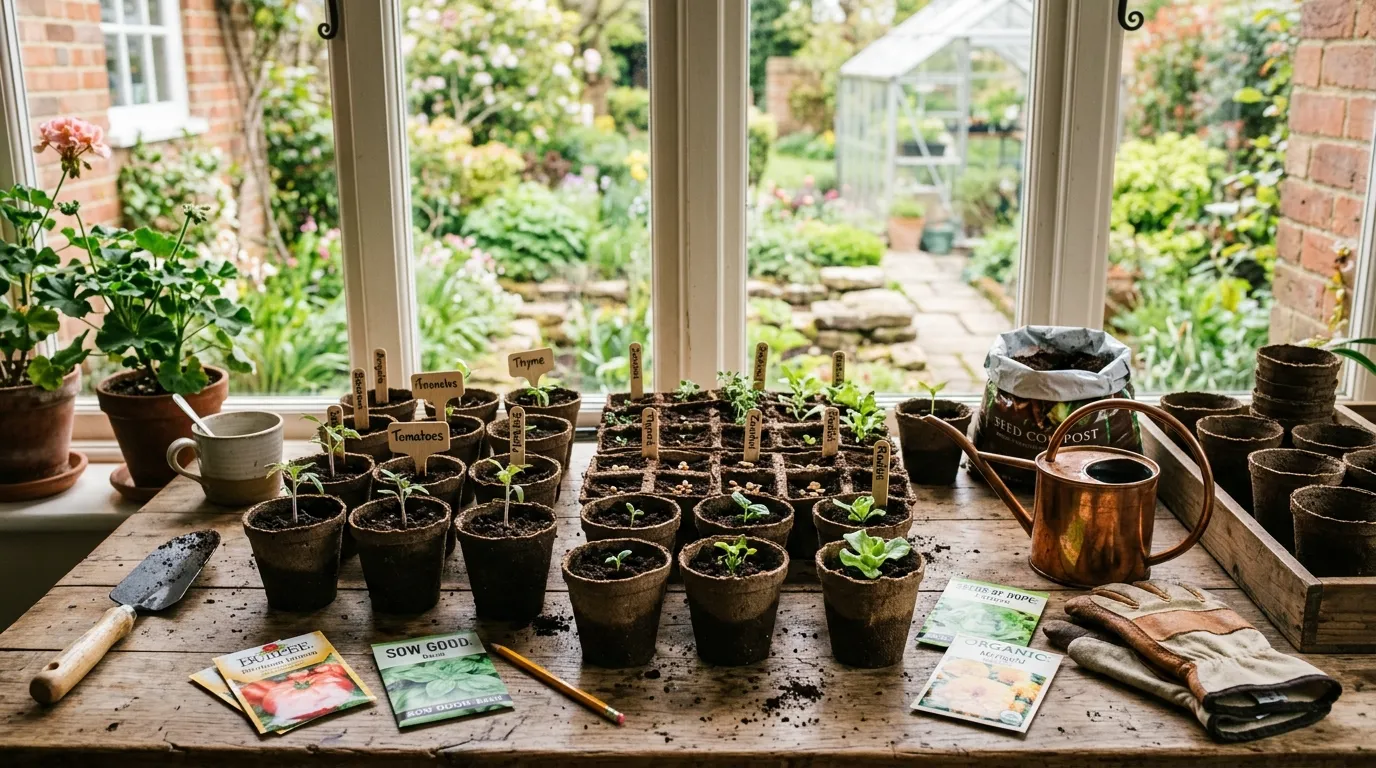
Discover exactly when to start seeds indoors to revolutionize educational spaces. This comprehensive guide connects botanical science with student focus, fostering a calm and enriched learning environment.
This extensive guide explores the intersection of botany and education. By mastering the seed starting timeline, educators and gardeners can teach valuable life skills, reduce anxiety, and improve classroom focus. We cover soil science, seed anatomy, practical timelines, and psychological benefits.
The Intersection of Botany, Soil Science, and Education
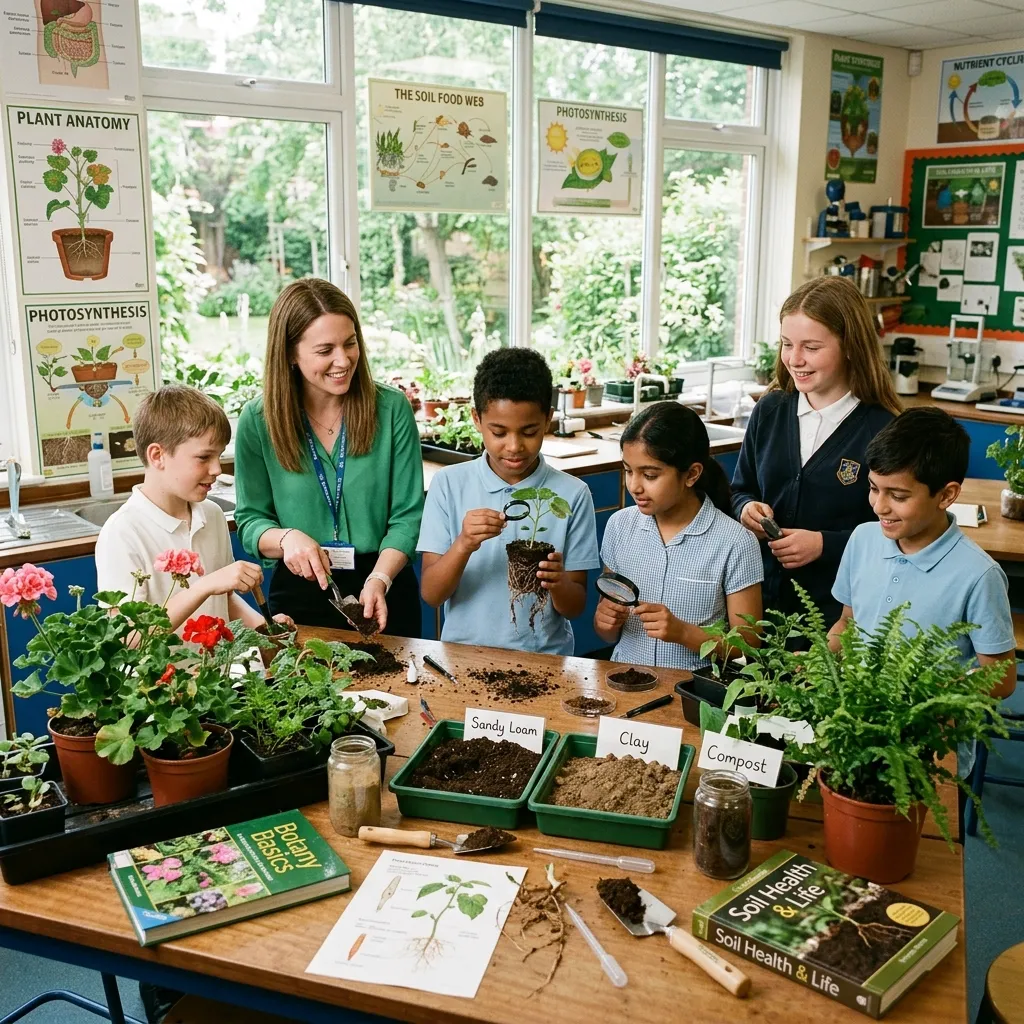
Integrating agricultural concepts into a classroom setting does far more than teach biology; it creates a living, breathing laboratory. Knowing when to start seeds indoors provides educators with a structured timeline that anchors the entire spring semester. Students learn to anticipate changes, monitor environmental conditions, and understand the fragile balance of ecosystems.
When establishing educational garden planning initiatives, the curriculum naturally expands into complex topics like soil microbiology and cellular biology. Students observing a dormant seed transform into a vibrant seedling gain firsthand experience with the scientific method. This hands-on approach demystifies abstract concepts, replacing textbook diagrams with tangible, daily miracles that captivate attention and ground erratic energy.
The Complex Anatomy of a Seed
To fully appreciate when to start seeds indoors, one must first understand what a seed actually is. A seed is a remarkably sophisticated vessel of life, containing an embryo, a nutrient supply (the endosperm or cotyledons), and a protective outer coating (the seed coat). When a student holds a seed, they are holding a suspended organism waiting for the precise environmental cues to awaken.
The process of imbibition—when a seed absorbs water to break dormancy—is a masterclass in physics and biology. As the seed swells, enzymatic activity initiates, breaking down stored starches into usable sugars. This fuels the emergence of the radicle (the primary root) and the plumule (the embryonic shoot). If a gardener or student calculates when to start seeds indoors incorrectly, this entire biological symphony can be derailed by improper temperatures or inadequate lighting, leading to weakened cellular structures and failed crops.
Soil Science and the Germination Process
The foundation of any successful growing endeavor lies beneath the surface. True soil science reveals that dirt is not merely dead matter, but a dynamic, living matrix. However, for indoor germination, we rely on sterile seed starting mix. Unlike outdoor garden soil, which contains unpredictable pathogens and heavy clay or sand, a sterile mix is formulated specifically for fragile embryonic roots.
These mixes typically contain sphagnum peat moss or coconut coir for moisture retention, vermiculite for aeration, and perlite for drainage. Understanding the porosity and water-holding capacity of these materials teaches students critical lessons in chemistry and physics. A common discussion in classroom wellness routines involves drawing parallels between the supportive, balanced environment a seed needs to thrive and the supportive emotional environment a student needs to learn. If the soil is too compacted, roots suffocate; if a classroom is too stressful, focus perishes. Providing optimal conditions, supported by research from the Colorado State University Extension, ensures both botanical and educational success.
Psychological Impacts of Gardening on Students
The modern educational landscape is often fraught with high-stakes testing, digital overstimulation, and intense social pressures. Introducing horticulture into this environment offers a powerful antidote. Figuring out when to start seeds indoors requires forward-thinking and patience, two virtues that counteract the instant-gratification culture of the digital age.
Building Patience and Reducing Anxiety
Gardening is inherently a slow, methodical process. You cannot force a seedling to grow faster by shouting at it or swiping a screen. When students participate in calculating when to start seeds indoors, they must accept that results will take weeks, not seconds. This waiting period builds emotional resilience.
According to insights from Harvard Health, engaging with nature and performing repetitive, nurturing tasks significantly lowers cortisol levels. The act of misting soil, adjusting grow lights, and measuring stem growth creates a meditative rhythm. This rhythm acts as a buffer against anxiety, allowing the nervous system to regulate itself. A regulated nervous system is a prerequisite for deep, analytical thought.
Focus and Cognitive Development
The integration of cognitive development in students with practical agriculture yields remarkable improvements in attention span. Tracking a plant’s lifecycle requires sustained attention over a long period. Students learn to observe subtle daily changes—a slight shift in leaf color, the emergence of a true leaf, the drying of the soil surface.
This heightened observational skill transfers directly to academic subjects. A student who can patiently monitor the moisture levels of a delicate pepper sprout is cultivating the same neurological pathways required to proofread a complex essay or solve a multi-step algebraic equation. Furthermore, the physical movement involved in caring for plants provides a necessary kinetic break, helping hyperactive students channel their energy constructively.
Calculating the Timeline for Germination
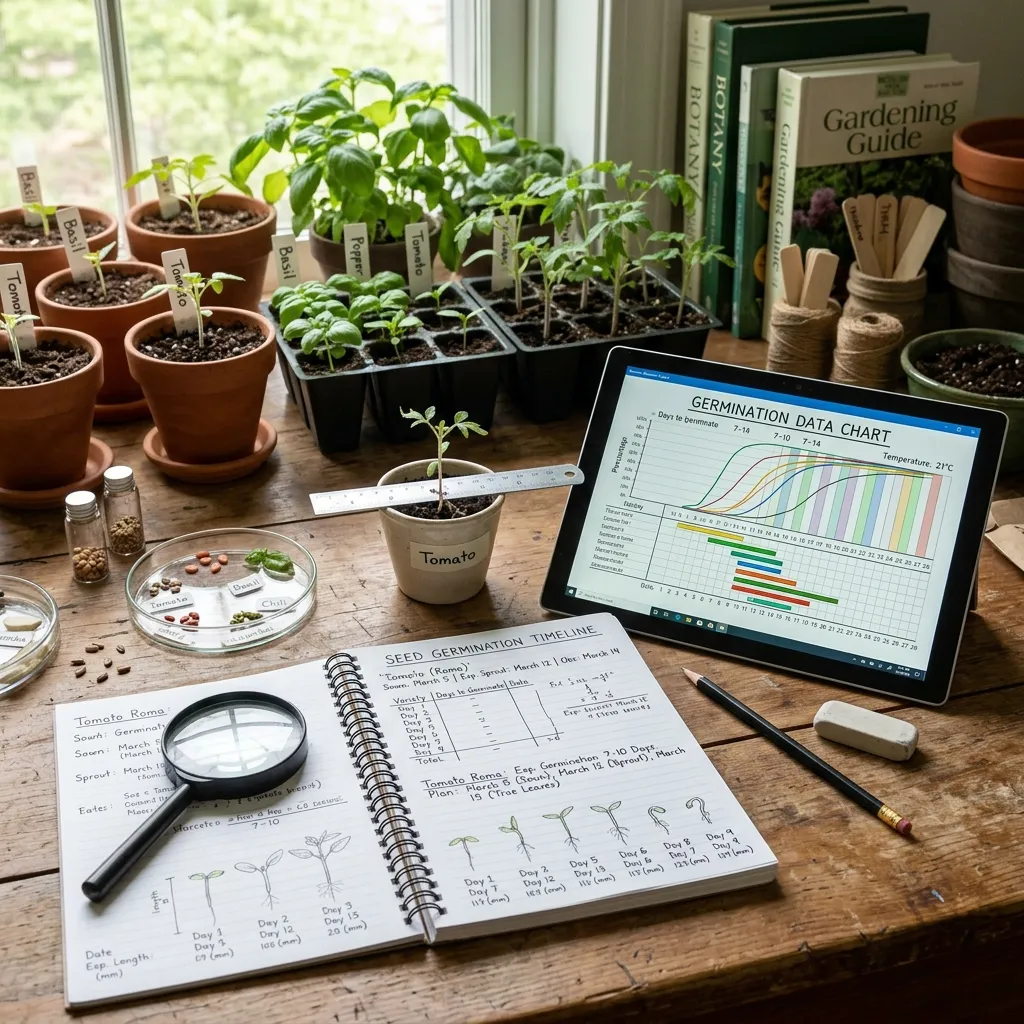
The most critical factor in indoor cultivation is timing. If you misjudge when to start seeds indoors, you risk creating root-bound, stressed plants that will fail to thrive once transplanted. Alternatively, starting too late means the plants will not reach maturity before the growing season concludes.
Frost Dates and Local Climates
The cornerstone of your scheduling is the average last spring frost date for your specific geographic region. The National Gardening Association provides comprehensive tools for identifying this crucial date based on historical weather data.
Once this date is established, you count backward. For example, if your last frost date is May 15th, and you are growing tomatoes that require six to eight weeks of indoor growth, you must know when to start seeds indoors to hit that window perfectly—which would be mid-to-late March. This practical application of calendar math is an excellent exercise for students, merging arithmetic with biological necessity.
Warm-Season vs. Cool-Season Crops
Not all plants adhere to the same schedule. Cool-season crops like broccoli, cabbage, and kale are resilient. They can withstand light frosts and are generally started indoors much earlier. In contrast, warm-season crops like peppers, eggplants, and tomatoes are highly sensitive to cold soil and air temperatures.
Teaching students to categorize these plants based on their biological hardiness introduces them to the concepts of adaptation and evolutionary biology. Utilizing resources like the Farmers’ Almanac helps clarify these distinctions, ensuring that your seed germination tracking aligns perfectly with agricultural best practices.
Plant-Specific Requirements and Care
Understanding when to start seeds indoors is only the first step; maintaining optimal conditions for each specific variety is where the true educational challenge begins.
For instance, peppers require incredibly warm soil to germinate—often between 80 and 85 degrees Fahrenheit. This necessitates the use of a horticultural heat mat. Tomatoes, while slightly more forgiving, still demand robust, full-spectrum lighting to prevent them from becoming leggy and weak. On the other hand, certain herbs and flowers actually require light to germinate, meaning they should not be covered with soil at all, but rather pressed gently into the surface.
Exploring these specific requirements teaches students about biodiversity. They learn that there is no “one size fits all” approach to nature, fostering a nuanced, flexible worldview that respects individual needs and environmental contexts.
Comparison: Indoor Starting vs. Direct Sowing
To highlight the value of this practice, we can compare the controlled environment of indoor starting with the unpredictable nature of direct outdoor sowing.
|
Feature |
Indoor Seed Starting |
Direct Outdoor Sowing |
|---|---|---|
|
Climate Control |
Complete control over light, heat, and moisture |
Subject to unpredictable spring weather, frosts, and floods |
|
Educational Value |
Daily observation, controlled experiments, data tracking |
Seasonal observation, less daily interaction early on |
|
Plant Types |
Essential for slow-growing, warm-season crops (tomatoes) |
Ideal for taproots and fast-growers (carrots, radishes) |
|
Timing Complexity |
Requires strict calculation of when to start seeds indoors |
Requires monitoring outdoor soil temperature |
|
Pest Vulnerability |
Protected from birds, rodents, and early spring insects |
Highly vulnerable to predation and harsh conditions |
Common Mistakes to Avoid
Even with the best intentions, indoor gardening projects can encounter setbacks. Understanding these pitfalls ensures a smoother experience and teaches students how to troubleshoot effectively.
Overwatering the Soil: This is the leading cause of seedling mortality. When soil is kept perpetually soggy, oxygen cannot reach the roots, leading to suffocation and a fungal disease known as “damping off.” Soil should be allowed to dry slightly on the surface between waterings.
Inadequate Lighting: Relying solely on a sunny classroom window is rarely sufficient. Seedlings require intense, direct light for 14 to 16 hours a day. Without it, they will stretch desperately toward the light source, developing weak, spindly stems that cannot support future growth.
Skipping the Hardening Off Process: You cannot take a pampered indoor seedling and immediately plant it in harsh outdoor conditions. It must be “hardened off”—gradually exposed to direct sunlight, wind, and fluctuating temperatures over a period of 7 to 10 days.
Ignoring Timing: Guessing when to start seeds indoors rather than calculating it mathematically leads to severely stunted plants. Trust the calendar and the data provided by agricultural extensions like the USDA.
Pro Tips and Expert Insights

To elevate your classroom gardening project from basic to exceptional, incorporate these advanced horticultural techniques.
Provide gentle air circulation. Once your seeds have germinated, place a small oscillating fan in the room. The gentle breeze mimics outdoor wind, forcing the plants to develop thicker, stronger cellular walls in their stems.
Practice ruthless thinning. It is common to plant two or three seeds per cell to guarantee germination. However, if all three sprout, you must snip the weakest two at the soil line with scissors. Pulling them out disrupts the delicate root system of the remaining plant. Teaching students to thin plants is a profound lesson in resource management and making difficult but necessary choices for the greater good of the ecosystem.
Utilize bottom watering. Instead of pouring water over the top of delicate seedlings, pour water into the bottom tray and allow the soil mix to wick the moisture upward. This encourages roots to grow deeply and keeps the soil surface dry, significantly reducing the risk of fungal growth.
Conclusion
Mastering exactly when to start seeds indoors provides far more than a head start on the gardening season. It offers a unique, hands-on framework for transforming educational environments. By combining rigorous scientific observation with the calming, meditative rhythms of plant care, educators can significantly reduce student anxiety and dramatically improve cognitive focus. Embrace these timelines, utilize proper techniques, and watch both your seedlings and your students thrive.
Frequently Asked Questions
1. How do I figure out exactly when to start seeds indoors?
You must identify your local average last frost date. Once you have that date, read the back of your specific seed packet and count backward the recommended number of weeks to establish your exact sowing schedule.
2. Can I use regular dirt from my backyard for indoor pots?
No. Backyard dirt is too dense for fragile embryonic roots and often harbors pests, weed seeds, and fungal pathogens. Always use a sterile, lightweight commercial starting mix.
3. Do I really need to buy specialized grow lights?
Yes. Natural sunlight filtering through a window is rarely intense enough for robust growth. Without full-spectrum grow lights positioned close to the foliage, your plants will become leggy, weak, and prone to breaking.
4. What is the optimal temperature for germination?
Most common classroom plants, particularly warm-season vegetables, prefer soil temperatures between 70 and 80 degrees Fahrenheit to germinate reliably. A horticultural heat mat is highly recommended to maintain this consistency.
5. Why are my newly sprouted plants falling over and dying?
This is typically caused by a fungal infection known as “damping off,” which thrives in cold, overly wet, and poorly ventilated environments. To prevent this, avoid overwatering and ensure good air circulation.
6. Do I need to add fertilizer as soon as the seeds sprout?
No. The seed itself contains enough stored nutrients to sustain the plant through its initial growth phase. You should only begin applying a weak, diluted liquid fertilizer after the plant develops its first set of “true leaves.”
7. What does the term “hardening off” actually mean?
Hardening off is the critical transitional period where you gradually acclimate your sheltered indoor plants to the harsh outdoor elements. This involves exposing them to outdoor wind and sun for increasing increments of time over a week to ten days.
8. How does knowing when to start seeds indoors improve student focus?
Tracking the complex timeline of plant growth requires daily, quiet observation and delayed gratification. This methodical routine slows down the chaotic pace of a classroom, teaching patience and naturally enhancing cognitive focus.
9. Should I cover my trays with plastic before they sprout?
Yes. Covering your trays with a humidity dome or plastic wrap helps retain crucial moisture and heat, creating a greenhouse effect. However, you must remove the cover immediately once the first sprouts break the surface of the soil.
10. Can I start root vegetables like carrots indoors?
It is generally not recommended. Root vegetables possess long taproots that are easily damaged during the transplanting process. They perform much better when sown directly into the outdoor garden soil.
