

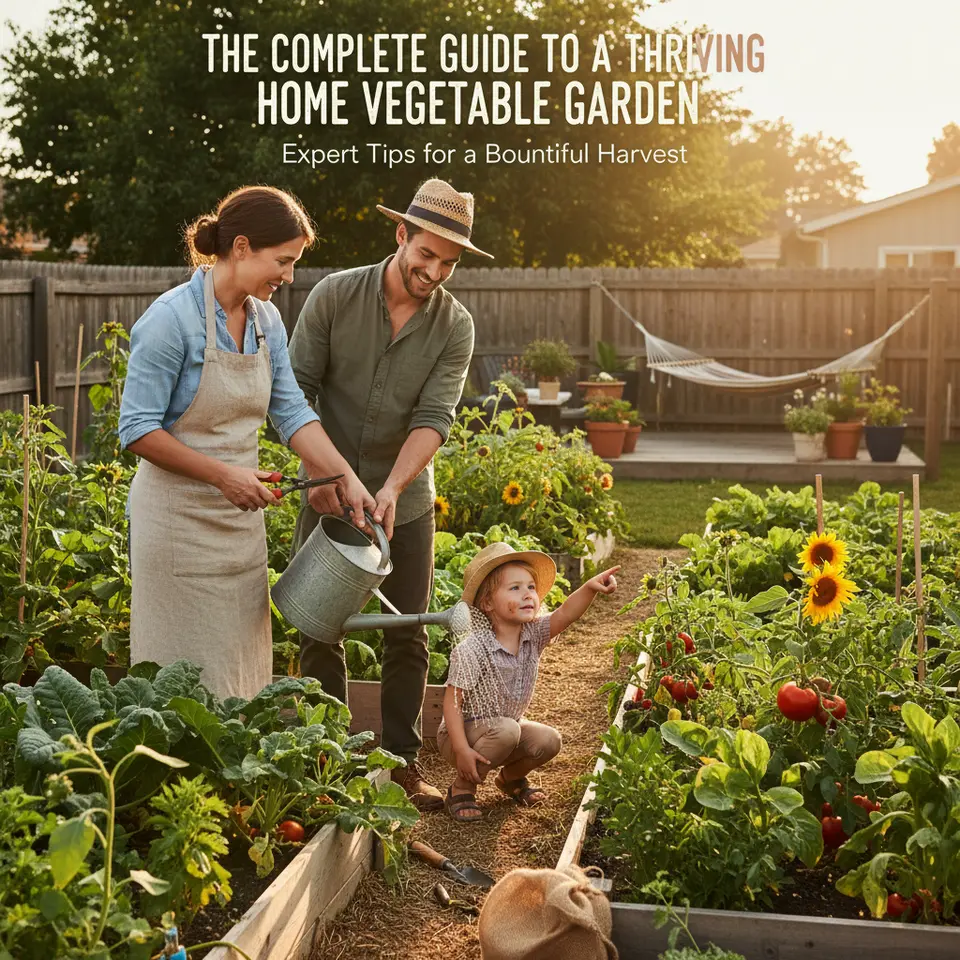
Cultivating a home vegetable garden offers profound benefits for students, transforming education through calm and focus while directly enhancing both emotional resilience and cognitive development.
Discover how integrating outdoor cultivation into daily routines revolutionizes education. This comprehensive guide explores the intersection of nature and learning, offering actionable strategies, expert insights, and practical steps to foster concentration, reduce anxiety, and create an engaging, hands-on educational environment.
The Intersection of Agriculture and Learning
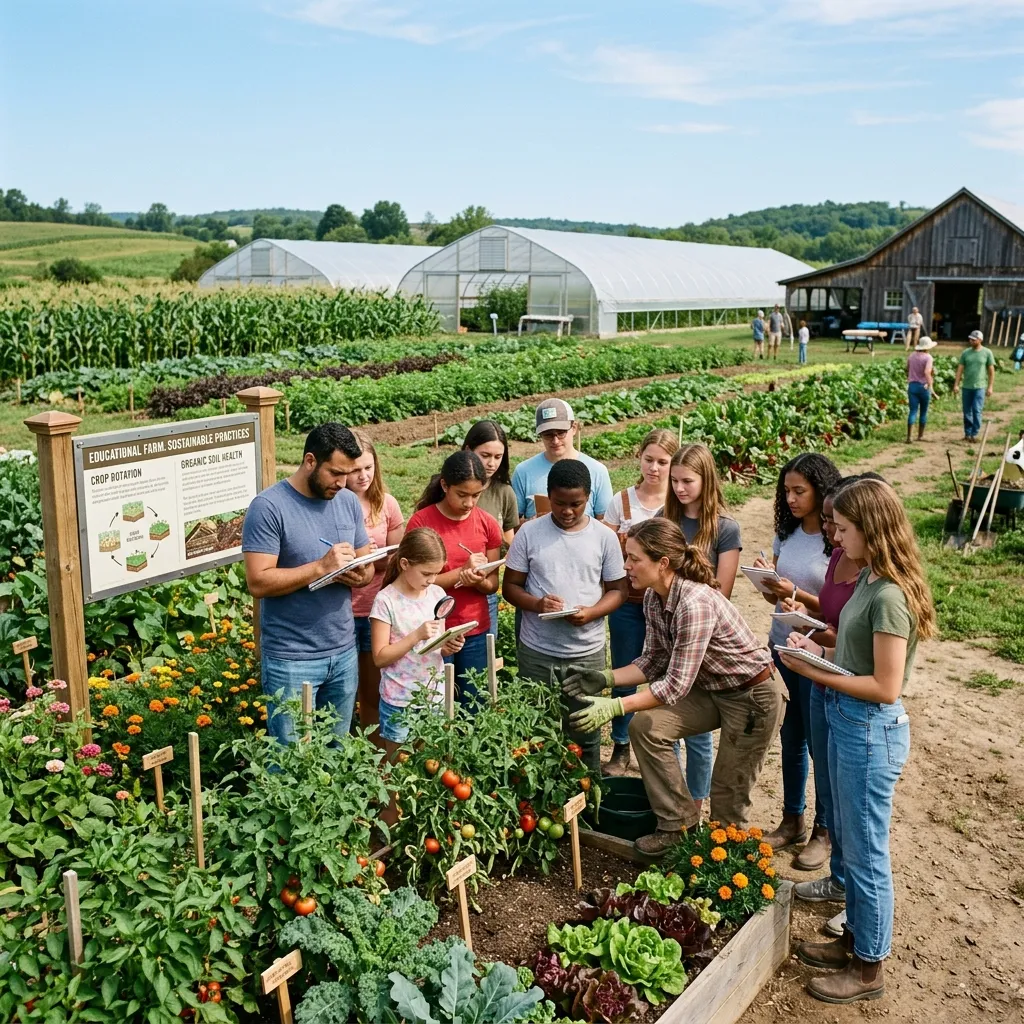
The modern educational landscape is rapidly evolving. Educators and parents alike are recognizing that traditional classroom settings may not universally serve every student’s learning style. Integrating a home vegetable garden into a child’s routine bridges the gap between theoretical knowledge and practical application. This green space serves as an outdoor classroom, offering dynamic, living lessons that textbooks simply cannot replicate.
When children interact with a home vegetable garden, they are not merely planting seeds; they are learning responsibility, patience, and the fundamental science of biology. This hands-on approach grounds them, reducing the overstimulation often caused by digital screens and structured indoor environments.
Redefining the Modern Classroom Environment
Traditional education relies heavily on rote memorization and prolonged periods of sitting. However, incorporating a home vegetable garden introduces experiential learning to the curriculum. Students who engage in outdoor activities show marked improvements in behavioral regulation and information retention. The tactile experience of working with soil provides essential sensory regulation, which is particularly beneficial for students who struggle with attention disorders.
Why Cultivating a Home Vegetable Garden Matters
Health, Cost, and Environmental Rewards
Growing vegetables in your yard or on your patio ensures you have access to freshly harvested produce rich in vitamins, minerals, and phytochemicals. Studies from institutions like the Extension Service highlight that homegrown vegetables often contain higher nutrient density than store-bought alternatives, as time from harvest to consumption is minimal. This freshness not only boosts flavor but also maximizes health benefits, contributing to a more nutritious diet in daily meals.
From the perspective of household finances, a well-tended home vegetable garden can lead to significant savings. Seeds and seedlings represent a modest upfront investment compared to weekly grocery expenditures. With proper crop rotation and season-extension techniques such as cold frames, you can harvest throughout multiple seasons, further stretching your dollar. Bulk harvesting and preserving surplus yields through freezing or canning also reduces food waste and supplements pantry stores year-round.
Environmental stewardship is another key advantage of cultivating a home vegetable garden. By growing food locally, you eliminate transportation-related carbon emissions and cut down on single-use plastic packaging. Organic gardening practices—like composting kitchen scraps and applying natural pest controls—enhance soil health, limit synthetic fertilizer use, and foster biodiversity in your outdoor space.
Engaging with a home vegetable garden also delivers mental and physical health perks. Routine tasks such as planting, weeding, and harvesting promote moderate exercise, which is linked to stress reduction and improved mood. Spending time outdoors in green surroundings can boost mental well-being and provide a fulfilling hobby that connects you to the rhythms of nature.
By creating a habitat for beneficial insects, including pollinators like bees and butterflies, you enhance ecosystem resilience. Flowering herbs and companion planting strategies invite a diverse insect community, which assists with pest management and supports healthy plant growth. These collective benefits underscore why a home vegetable garden is more than just a source of food—it’s a catalyst for healthier living and environmental responsibility.
Designing and Planning Your Growing Space
Mapping Sunlight, Soil Zones, and Layout
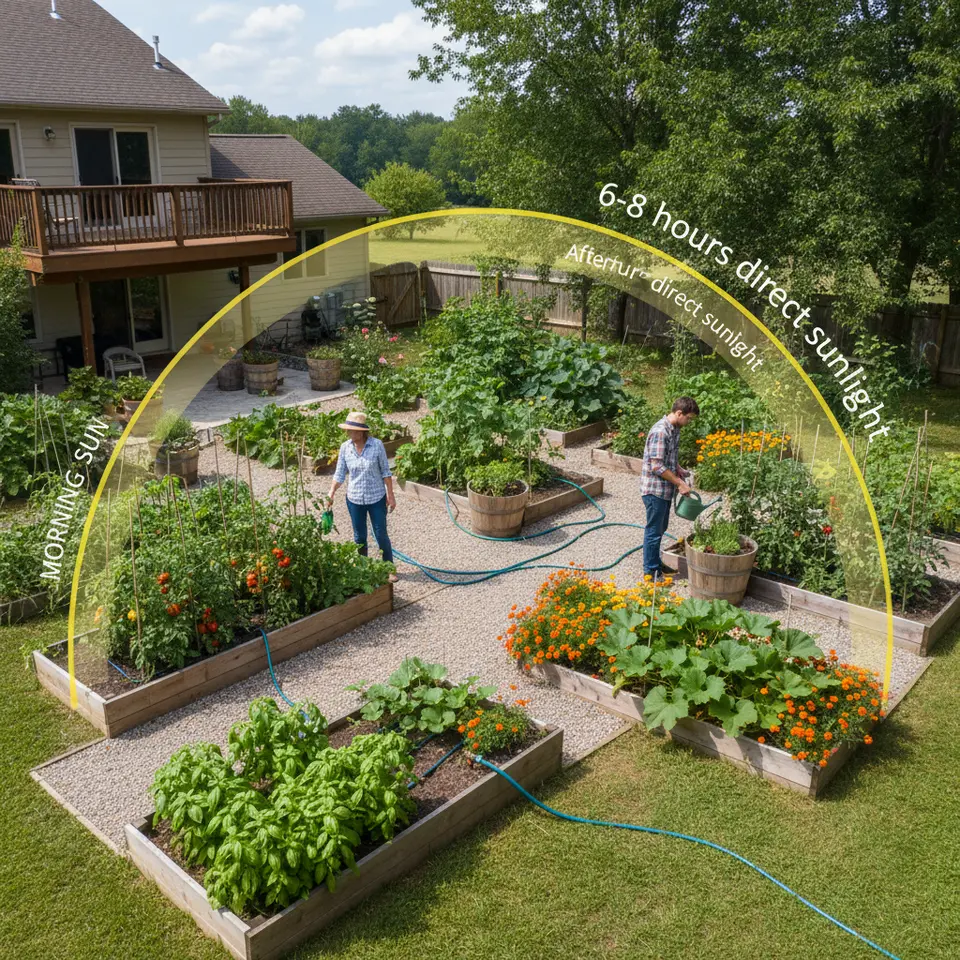
Effective planning provides the foundation for a flourishing home vegetable garden. Start by evaluating potential sites for sunlight exposure—most vegetable crops require at least 6 to 8 hours of direct sun per day. Observe how shadows shift over your yard in the morning and afternoon to identify the sunniest spots. Also consider wind patterns, drainage characteristics, and proximity to a convenient water source to simplify irrigation tasks.
Beyond sunlight, understanding the existing soil conditions is crucial. Perform a basic soil assessment or send a sample to a reputable lab, such as the National Agricultural Library, to determine pH and nutrient levels. Mapping out soil variances allows you to amend specific zones with compost, lime, or organic matter to achieve a balanced growing medium. Healthy soil supports robust root development and effective water retention.
Next, decide on the type of planting structure that aligns with your space and resources. In-ground beds are cost-effective and work well where soil quality is already good. Raised beds warm up faster in spring, provide superior drainage, and allow for tighter soil control, which can improve yields. If you’re working with limited room, containers or vertical gardens on balconies enable you to grow tomatoes, peppers, and herbs in small footprints.
When sketching your garden layout, designate wide enough paths—at least 18 to 24 inches—to access each row without compacting the soil. Group plants with similar water and light requirements together to streamline irrigation and maintenance. Incorporating companion planting principles, such as interspersing basil among tomatoes or planting marigolds alongside squash, can deter pests and improve overall plant health.
Before breaking ground, assemble key tools such as a sturdy garden trowel, soil probe, measuring tape, and stakes for crop support. Gather quality growing medium, mulch material, and irrigation supplies like soaker hoses or drip tubing. Establishing an organized storage area for tools keeps your workspace efficient and safe.
Finally, build a planting calendar tailored to your local frost dates and days-to-maturity. Use succession planting techniques to ensure a continuous harvest; sow quick-maturing crops every few weeks and rotate crop families annually to minimize pest and disease buildup. A well-crafted plan sets the stage for a productive season and helps you manage workloads throughout the year.
Building a Curriculum Around a home vegetable garden
Educators can seamlessly weave academic subjects into the daily maintenance of a home vegetable garden. This integration ensures that learning is continuous, relevant, and deeply engaging.
STEM Education in the Dirt
Science, Technology, Engineering, and Mathematics (STEM) thrive in an agricultural setting. A home vegetable garden is a living laboratory.
- Science: Students observe photosynthesis, the water cycle, and symbiotic relationships between plants and insects.
- Technology & Engineering: Designing irrigation systems, building raised beds, and utilizing weather-tracking applications foster engineering mindsets.
- Mathematics: Measuring plant growth, calculating square footage for seed spacing, and tracking harvest yields provide practical math applications.
Literature and Historical Context
Beyond STEM, a home vegetable garden enriches humanities education. Students can research the historical origins of specific crops, understanding how agriculture shaped human civilization. Additionally, keeping a garden journal improves observational writing skills, encouraging students to articulate their experiences and reflections clearly.
Structured Comparison: Traditional vs. Garden-Based Learning
|
Feature |
Traditional Classroom |
home vegetable garden Learning |
|---|---|---|
|
Learning Style |
Passive, auditory, and visual |
Active, tactile, and multi-sensory |
|
Environment |
Indoor, static, highly structured |
Outdoor, dynamic, adaptable |
|
Focus Mechanism |
Forced concentration, frequent breaks needed |
Natural engagement, intrinsic motivation |
|
Stress Levels |
Potentially high (testing, peer pressure) |
Low (therapeutic, self-paced) |
|
Skill Acquisition |
Theoretical knowledge |
Practical, life-sustaining skills |
Pro Tips for Educators and Parents
Successfully integrating a home vegetable garden into an educational framework requires strategic planning. Here are expert insights to maximize the educational benefits:
- Start Small: Begin with fast-growing crops like radishes or lettuce. Quick harvests provide instant gratification and maintain student interest.
- Assign Ownership: Give each student or child a specific section of the home vegetable garden to manage. This fosters a deep sense of responsibility and pride.
- Connect to the Kitchen: Education doesn’t stop at the harvest. Teach nutritional science by cooking the produce grown in the home vegetable garden.
- Encourage Problem Solving: When pests attack or plants wilt, do not fix it immediately. Use it as a learning opportunity, guiding students to research and implement solutions themselves.
Common Mistakes to Avoid
While the benefits are plentiful, certain pitfalls can hinder the educational experience of a home vegetable garden.
- Overcomplicating the Setup: Do not invest in overly complex systems initially. A simple raised bed or container setup is sufficient for educational purposes.
- Taking Over the Work: Adults often step in to do the heavy lifting or correct mistakes. Allow the students to lead the process in the home vegetable garden, even if it means learning through failure.
- Ignoring the Academic Link: Failing to connect the garden tasks to curriculum standards makes the activity feel like a chore rather than a vital educational tool. Always tie the physical work back to academic concepts.
Enhancing Soil Health and Plant Nutrition
Building a Vibrant Foundation
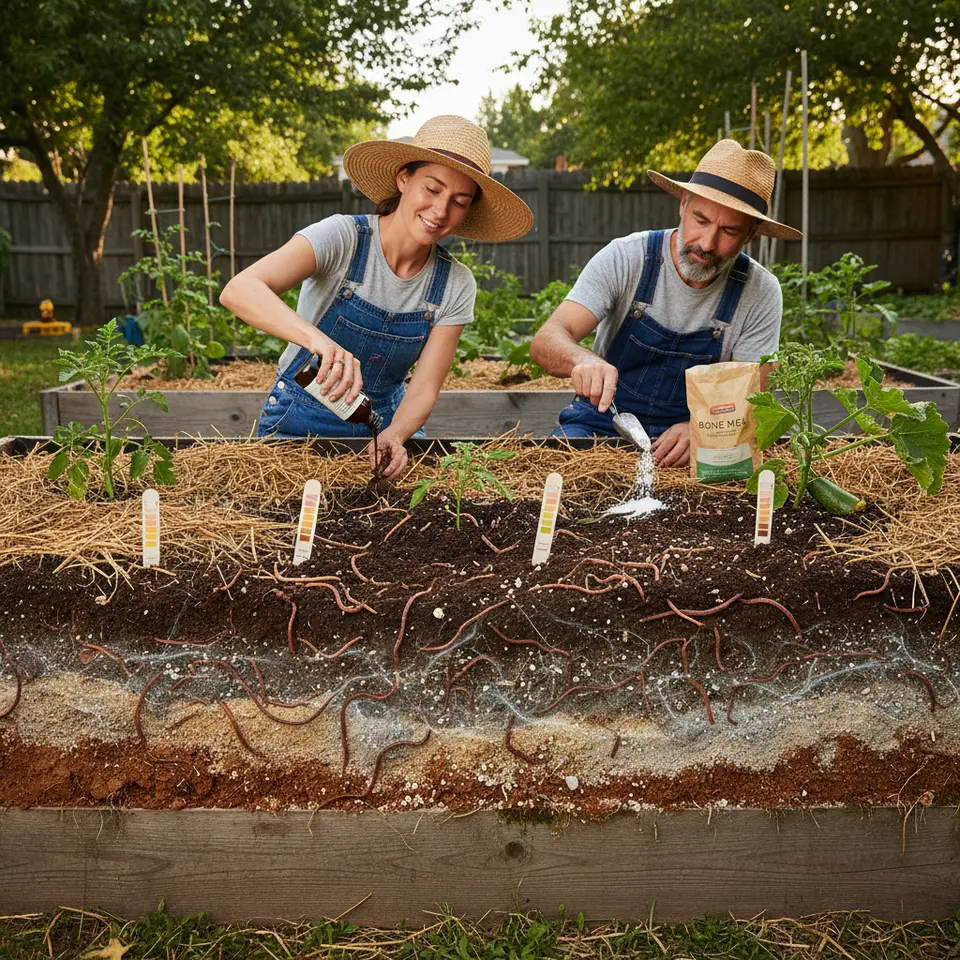
Healthy soil is the cornerstone of any successful home vegetable garden. Begin by testing your soil’s pH and nutrient profile with a DIY kit or through a certified laboratory service. Optimal pH for most vegetables ranges between 6.0 and 7.0; adjustments are made using lime to raise pH or elemental sulfur to lower it. Accurate pH ensures key nutrients are available to plant roots.
Soil texture also influences water drainage and nutrient retention. In heavy clay soils, incorporate coarse sand and generous amounts of well-rotted compost to break up dense particles, improving aeration and root penetration. Sandy soils benefit from repeated additions of organic matter—such as aged manure or leaf mold—to enhance moisture-holding capacity and fertility.
Composting kitchen scraps and garden waste produces rich humus that fuels beneficial microbial activity. Regularly apply a 2 to 4-inch layer of finished compost or aged animal manure to garden beds, then work it into the top 8 to 10 inches of soil. These organic amendments boost soil structure, encourage earthworm populations, and steadily release nutrients throughout the growing season.
Mulches—straw, wood chips, and shredded leaves—play a dual role in conserving moisture and suppressing weeds. By reducing evaporation, mulches stabilize soil temperatures and reduce the frequency of irrigation. Apply mulch after seedlings are established, keeping material a few inches away from plant stems to prevent rot.
Supplemental fertilization can address specific nutrient needs during active growth and fruiting stages. Side-dress heavy feeders like tomatoes and corn with balanced organic fertilizers or apply compost tea for a quick microbial boost. Fish emulsion offers a natural source of nitrogen, while rock phosphate or bone meal can provide phosphorus for root development and flowering.
Monitoring soil health throughout the season—observing plant vigor, leaf coloration, and soil moisture—helps you fine-tune your approach. By fostering a living soil ecosystem and providing balanced nutrition, your home vegetable garden will support robust plants that resist pests and yield flavorful vegetables.
Conclusion
Embracing a home vegetable garden offers a wealth of rewards that extend beyond the kitchen. In today’s digital landscape, gardeners are more connected than ever, sharing insights and supporting sustainable practices online. Currently, individuals and communities are rediscovering the joys of growing their own food, driven by the desire for fresher produce, cost savings, and a smaller environmental footprint.
This year (2026), you have access to abundant resources—from university extension services to government guidelines—that can guide each phase of your gardening journey. By thoughtfully choosing your site, optimizing soil health, selecting climate-appropriate crops, and implementing eco-friendly maintenance routines, you lay the groundwork for a thriving garden that can supply fresh vegetables throughout the season.
Whether you’re a novice sowing your first seeds or an experienced gardener refining your approach, the steps outlined in this guide will help you cultivate a productive and resilient space. Start small, track your progress, and adapt techniques as you learn—your efforts will pay off in flavorful harvests, improved well-being, and a deeper connection to the natural world. Now is the perfect time to roll up your sleeves, plan your next planting, and witness the transformation of your outdoor space into a flourishing home vegetable garden.
Frequently Asked Questions
1. How much space do I need to start a home vegetable garden for educational purposes?
You do not need a large backyard. A small balcony with container pots or a single 4×4 raised bed is entirely sufficient to teach the fundamentals of plant biology, responsibility, and ecology.
2. What are the best plants to grow in an educational home vegetable garden?
Fast-growing and hardy plants are best for keeping students engaged. Radishes, bush beans, cherry tomatoes, and various lettuces offer quick turnaround times and are generally easy to care for, ensuring a successful learning experience.
3. How does a home vegetable garden improve a child’s focus?
Working in the dirt requires hands-on, multi-sensory engagement, which naturally grounds children and reduces overstimulation from screens. The repetitive, mindful tasks of gardening lower cortisol levels, thereby increasing a student’s capacity for sustained attention.
4. Can gardening replace traditional science classes?
While it should not entirely replace traditional academics, a home vegetable garden serves as an incredibly powerful supplementary tool. It acts as a living laboratory where theoretical concepts like photosynthesis and the water cycle are observed in real-time.
5. How do I incorporate math into a home vegetable garden?
Math is naturally embedded in agriculture. Students can measure plant growth, calculate the volume of soil needed for a raised bed, determine the correct spacing between seeds, and track harvest weights over time.
6. What is the biggest mistake parents make with a learning garden?
The most common mistake is adults taking over the maintenance. For the garden to be an effective educational tool, children must take ownership of the successes and the failures, learning to problem-solve independently.
7. How can a home vegetable garden help with sensory processing issues?
Gardens offer safe, structured sensory inputs. Digging in the soil provides deep pressure and tactile stimulation, while the sights, smells, and sounds of the garden offer a calming environment that helps regulate the nervous system.
8. Is it expensive to start a home vegetable garden?
Not at all. You can start seeds in recycled containers, create your own compost from kitchen scraps, and purchase affordable seed packets. The educational value far outweighs the minimal initial financial investment.
9. How much time does an educational garden require daily?
Consistency is more important than duration. Spending just 15 to 30 minutes a day watering, observing, and maintaining the home vegetable garden is enough to reap the cognitive and educational benefits without causing burnout.
10. What if our plants die; won’t that discourage the students?
Plant failure is one of the most valuable lessons a home vegetable garden can teach. It provides a real-world opportunity to practice resilience, investigate what went wrong (e.g., overwatering, pests), and apply the scientific method to try again.
