

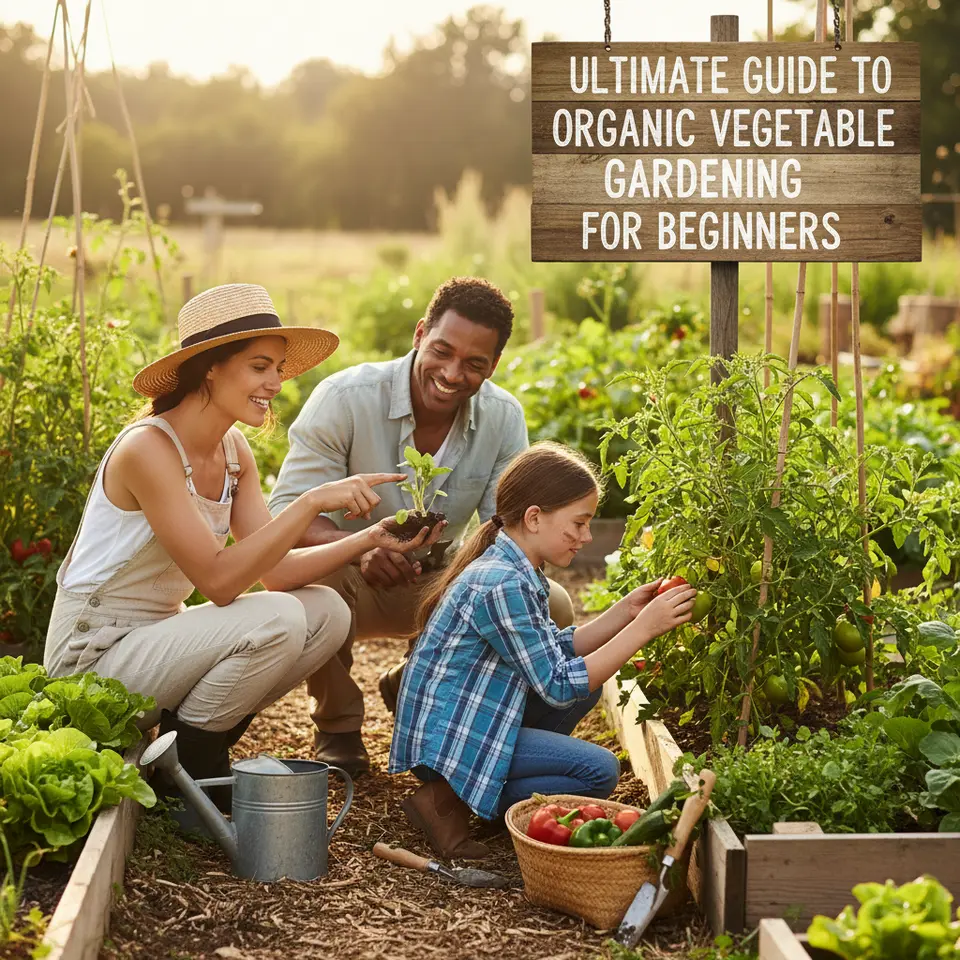
Does your classroom need a breath of fresh air? Integrating organic gardening can rapidly transform education by replacing daily stress with focused, hands-on learning and natural calm.
This comprehensive guide explores why schools are turning to the soil to improve student well-being. You will discover practical strategies for building natural curriculums, actionable insights on enhancing cognitive focus, and the immense developmental benefits of bringing students outdoors.
The Growing Need for Nature in Modern Education

Education faces a profound challenge today. Students deal with digital overload, shrinking attention spans, and rising anxiety levels. Educators constantly search for innovative methods to bring mindfulness and deep engagement back into the learning environment. This is where the practice of organic gardening steps in as a revolutionary educational tool.
By removing artificial inputs and focusing on natural growth cycles, students learn patience, ecology, and biology in a highly interactive way. More importantly, getting hands in the dirt grounds young minds. Working with soil actually stimulates the release of serotonin, a brain chemical that helps regulate mood, reduce anxiety, and foster a state of calm readiness.
When you incorporate experiential learning frameworks into your school’s weekly schedule, you instantly bridge the gap between abstract textbook concepts and tangible reality. Students who struggle to sit still at a desk often thrive when tasked with managing a garden plot. They learn responsibility by caring for living things, and they develop a profound respect for the environment.
Why Choose Organic Vegetable Gardening Today?
Organic vegetable gardening emphasizes natural processes that nurture plants and ecosystems without relying on synthetic fertilizers or chemical pesticides. Currently, many gardeners are drawn to organic methods to protect pollinators, conserve water, and promote soil biodiversity. For instance, the United States Department of Agriculture’s National Organic Program (https://www.ams.usda.gov/rules-regulations/organic) outlines standards that safeguard environmental integrity and ensure produce quality.
The Environmental and Health Benefits
By enriching soil with compost and green manures instead of petrochemical fertilizers, organic gardening minimizes groundwater contamination and reduces greenhouse gas emissions. Natural pest controls, such as insecticidal soaps or beneficial insect habitats, limit harm to non-target species and conserve local wildlife. Studies from land-grant universities (for example, Cornell Cooperative Extension at https://cals.cornell.edu/extension) demonstrate that gardens managed organically often have higher levels of beneficial microbes and earthworms, which are vital for nutrient cycling and soil structure.
Sustainable Practices for Beginners
Beginners can adopt simple strategies: create homemade compost piles, practice crop rotation, and plant cover crops to replenish the soil. These techniques not only build resilience against drought and disease but also lower long-term input costs. In today’s market, organic vegetable gardening also connects you with a community of like-minded enthusiasts who exchange seeds, share tips on social platforms, and participate in local gardening events.
Focus on Long-Term Soil Health
Rather than quick fixes, organic gardening prioritizes nurturing a self-sustaining ecosystem where plants thrive on naturally cycling nutrients. Integrating practices such as mulching, layering carbon-rich materials, and incorporating legume cover crops empowers you to maintain a vibrant garden that feeds itself over time. This approach ensures that each season builds upon the last, delivering increasingly robust yields and a healthier environment under your care.
Building Vibrant Soil for Your Vegetable Patch
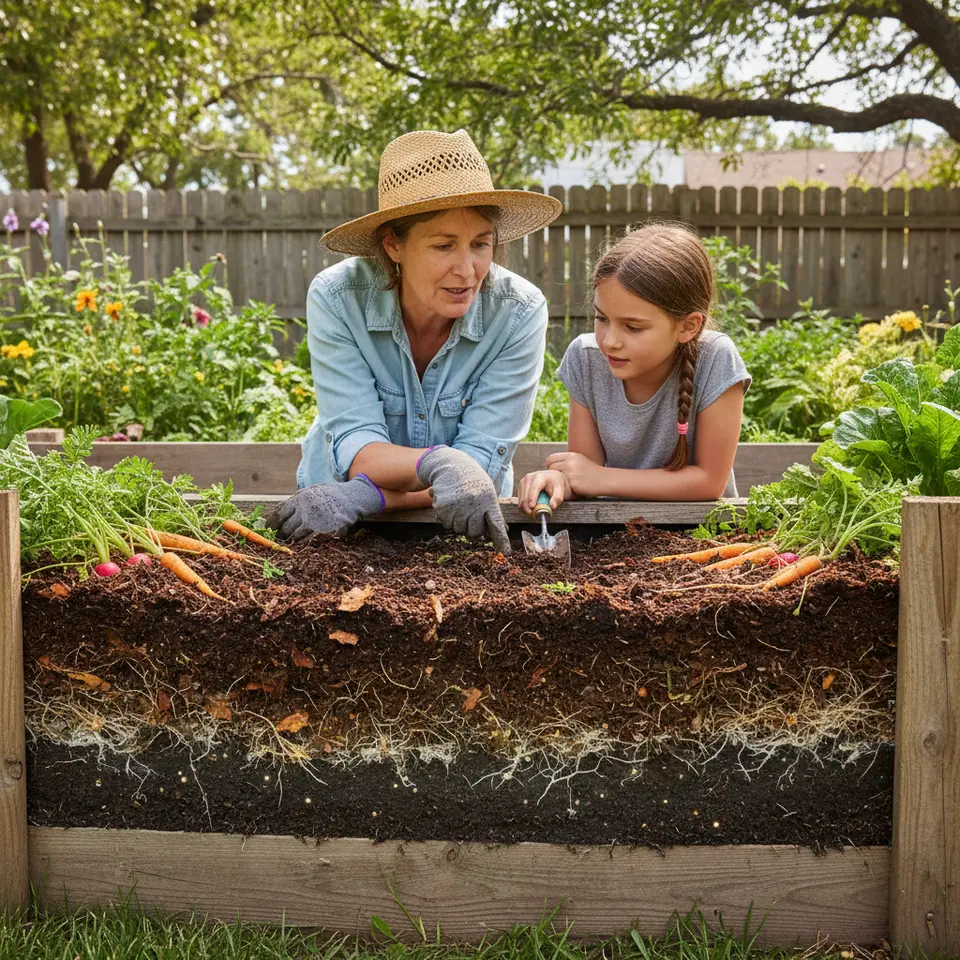
Soil is the cornerstone of any successful organic vegetable garden. Understanding soil composition, texture, and fertility allows you to tailor amendments and create an optimal growing medium. In today’s digital landscape, access to soil testing kits and extension service analysis makes it simple to measure pH, nutrient levels, and organic matter content before planting.
Testing and Interpreting Soil Data
Begin with a comprehensive soil test, either through your state extension office or a private lab. Ideal vegetable garden pH ranges from 6.0 to 7.0. If readings dip below this window, applications of agricultural lime can raise pH. Conversely, elemental sulfur or organic acidifiers help lower alkaline soils. Assess macronutrient levels—nitrogen (N), phosphorus (P), and potassium (K)—to determine which natural amendments are needed.
Amending with Organic Matter
Organic matter is key for moisture retention, nutrient supply, and microbial activity. Incorporate well-rotted compost, aged manure, leaf mold, or mushroom substrate at a rate of 2 to 4 inches worked into the top 6–8 inches of soil. These inputs not only deliver nutrients but also improve soil structure, enhancing root penetration and air exchange.
Harnessing Cover Crops and Green Manures
Planting cover crops such as clover, vetch, or rye during off-seasons contributes to nitrogen fixation and organic matter buildup. These green manures suppress weeds, protect against erosion, and feed soil microorganisms. In spring, lightly till or cut down these crops and allow them to decompose on the surface as a nutrient-rich mulch layer.
Maintaining Soil Health Over Time
Re-test your soil every two to three years to track changes and adjust your amendment strategy. Rotate nutrient-hungry crops with lighter feeders and nitrogen fixers to balance nutrient drawdown. Mulching with straw, wood chips, or shredded leaves keeps soil temperatures stable and gradually releases carbon back into the system as it breaks down. Sustained attention to soil health lays the foundation for vigorous plant growth and abundant harvests.
Comparison: Traditional Classrooms vs. Nature-Based Learning
Understanding the distinct differences between standard instruction and outdoor education helps highlight the unique value of these programs.
|
Feature |
Traditional Classroom Environment |
Nature-Based Garden Learning |
|---|---|---|
|
Primary Learning Style |
Passive, heavily auditory, and visual |
Highly active, tactile, and kinesthetic |
|
Instructional Pacing |
Fast-paced, strictly curriculum-driven |
Slow-paced, fundamentally nature-driven |
|
Baseline Stress Levels |
Frequently high due to testing pressures |
Generally low, inherently calming environment |
|
Physical Engagement |
Minimal (primarily sitting at enclosed desks) |
Moderate (digging, planting, walking, lifting) |
|
Focus and Attention |
Often requires frequent teacher redirection |
High spontaneous engagement, natural concentration |
|
Sensory Input |
Artificial lighting, structural noise |
Natural sunlight, gentle ambient sounds |
Common Mistakes to Avoid in Educational Green Spaces
Launching a new outdoor education program is exciting, but enthusiasm must be paired with practical strategy. Avoid these frequent pitfalls to ensure your initiative thrives long-term:
- Starting Way Too Big: Do not attempt to plow an entire acre during your first year. Start with just two or three manageable raised beds to allow teachers and students to learn the basics without becoming overwhelmed.
- Failing to Secure Summer Maintenance: Plants require consistent watering throughout July and August. Create a robust volunteer schedule for local families to maintain the space while classes are not in session.
- Ignoring Fundamental Soil Quality: You absolutely cannot grow healthy, resilient plants in nutrient-dead dirt. Invest significant time and resources into building healthy compost and amending soil before planting a single seed.
- Siloing the Project to One Teacher: If only a single science teacher runs the program, the entire initiative will collapse if that teacher relocates. Actively involve the whole educational staff from day one.
- Forcing Direct Participation: Some students genuinely dislike getting their hands dirty or fear insects. Always offer meaningful alternative roles like designing layout maps, tracking weather data, or painting plant markers.
Pro Tips for Sustaining Educational Engagement
To maximize the cognitive and emotional benefits of your nature-based learning initiatives, implement these expert strategies:
- Plant High-Yield, Fast-Growing Crops: Radishes, loose-leaf lettuce, and bush beans grow incredibly quickly. This provides students with immediate gratification and keeps their attention highly engaged throughout the semester.
- Implement a Closed-Loop Compost System: Teach genuine sustainability by actively turning cafeteria food waste into rich fertilizer. This significantly reduces overall school waste and provides free, high-quality nutrients for the soil.
- Leverage Local Community Expertise: Proactively reach out to local master gardener associations or agricultural extension offices. These experts frequently provide free professional advice, seed donations, and valuable volunteer hours.
- Designate Specific Quiet Zones: Intentionally design specific, secluded areas of the outdoor space explicitly for independent reading, emotional journaling, or quiet personal reflection.
- Publicly Celebrate the Harvest: Host a seasonal tasting party where students get to prepare and eat the actual food they grew. This deeply reinforces the practical value of their prolonged hard work and dedication.
Strategic Garden Planning and Plant Pairing
A well-thought-out garden plan optimizes space, light exposure, and complementary relationships between plants. Whether you choose raised beds, in-ground rows, or square-foot gardening, mapping your layout before planting helps prevent shading, disease spread, and nutrient competition.
Selecting Vegetables for Your Climate and Space
Start by choosing crops well-suited to your region’s climate and seasons. Cool-season vegetables like lettuce, spinach, and radishes thrive in early spring, while heat-loving tomatoes, peppers, and eggplants excel in summer warmth. Check seed packets for days-to-maturity estimates and align your planting schedule with expected local frost dates. Container gardening also works wonders for limited spaces: sturdy pots filled with quality potting mix yield tomatoes, herbs, and salad greens on balconies and patios.
Companion Planting for Mutual Benefit
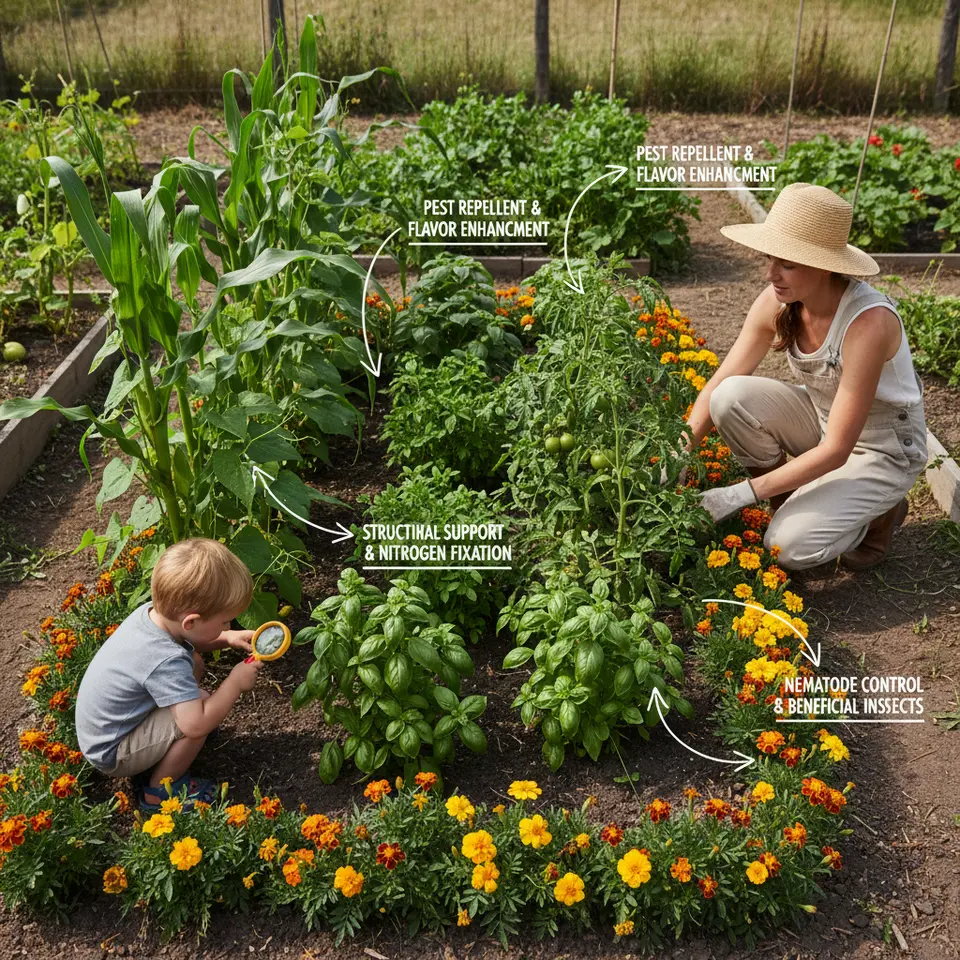
Companion planting harnesses symbiotic relationships that enhance growth and deter pests. Examples include:
- Tomatoes and Basil: Basil’s aromatic oils repel tomato hornworms and improve tomato flavor.
- Beans and Corn: Beans fix nitrogen, boosting fertility for heavy-feeding corn, while corn stalks support climbing bean vines.
- Marigolds: Planted around beds, marigolds ward off nematodes and soil-borne pests.
Designing Pathways and Access
Leave clear lanes between beds or rows for easy watering, weeding, and harvesting. Raised beds spaced 2 to 3 feet apart allow access to the center without compacting soil. Pathways made of mulch or gravel reduce weed growth and provide defined borders. In square-foot gardening, grid layouts deliver high yields in compact footprints with minimal maintenance.
Succession and Intercropping Strategies
To maximize productivity, practice succession planting—following fast-maturing crops like radishes with slower-growing ones such as broccoli. Intercropping draws on vertical space by growing taller plants alongside shorter companions. For instance, sow lettuce between rows of corn to shade roots and conserve moisture during warmer months.
Starting, Sustaining, and Nurturing Your Vegetables
Once your garden plan is in place, focus turns to seed starting, transplanting, watering, and feeding—activities that establish healthy plants and support growth through the season.
Seed Starting for an Early Advantage
Indoor seed starting gives you control over germination conditions and extends your growing window. Fill clean seed trays or biodegradable pots with a sterile seed-starting mix, keeping moisture consistent without waterlogging. Provide bottom heat or place trays near a sunny window supplemented by LED grow lights. Once seedlings develop two true leaves, thin to one strong plant per cell to reduce competition.
Hardening Off and Transplanting
Before moving starts outdoors, gradually acclimate them to external conditions over 7–10 days. Begin with shaded areas, gradually increasing sun exposure and airflow. Transplant on overcast days or late afternoons to reduce shock. Dig planting holes slightly deeper than the root ball, gently tease out any encircling roots, and firm soil around each transplant. Apply a layer of mulch to lock in moisture and discourage weeds.
Effective Watering Techniques
Deep, infrequent watering encourages roots to grow downward, increasing drought resilience. Measure soil moisture by probing the top 2 inches before irrigating. Early morning delivery via drip irrigation or soaker hoses reduces evaporation and keeps foliage dry, lowering fungal disease risk. Adjust frequency based on weather: cool mornings may need fewer runs, while hot, windy days call for additional watering.
Nutrient Management with Organic Feeds
Supplement soil fertility throughout the season with organic fertilizers and teas. Compost tea brewed from mature compost delivers a spectrum of nutrients and beneficial microorganisms. Seaweed extract provides trace elements and growth-promoting hormones. Apply fish emulsion sparingly, as excessive nitrogen can produce lush foliage at the expense of fruit set. Side-dress heavy feeders—such as squash or cabbage—with well-aged compost when blooms appear.
Protecting Your Garden Naturally
Maintaining plant health involves vigilant pest and disease management while fostering a balanced ecosystem that supports beneficial insects and pollinators.
Integrated Pest Management (IPM) Principles
Observe plants regularly for early warning signs—chewed leaves, discoloration, or stunted growth. Handpick large pests like caterpillars and slugs, and deploy traps for rodents if needed. Use floating row covers to shield young seedlings from flea beetles and cabbage moths. Rotate crops annually to disrupt pest life cycles and reduce soil-borne diseases.
Organic Pest Control Solutions
When infestations arise, opt for gentle treatments first. Insecticidal soaps and neem oil target soft-bodied insects without harming pollinators once residues dry. Diatomaceous earth dusted around plant bases controls crawling pests. Encourage predatory insects—ladybugs, lacewings, and parasitic wasps—by planting nectar-rich flowers like alyssum and buckwheat near vegetable beds.
Disease Prevention and Management
Good air circulation and dry foliage are critical defenses against fungal and bacterial diseases. Space plants adequately and prune lower leaves to improve airflow. Water at the soil line rather than overhead. Remove and compost infected plant debris promptly. For stubborn outbreaks, apply copper-based or sulfur-based organic fungicides following label instructions.
Supporting Pollinators and Beneficial Wildlife
Pollinators such as bees, butterflies, and hummingbirds are essential for fruit and seed production. Create habitats with native wildflowers, shrubs, and small water sources. Avoid broad-spectrum insecticides that can wipe out beneficial populations. In today’s context, establishing pollinator-friendly corridors enhances local biodiversity and boosts garden yields.
Harvest Timing and Storage
Harvest vegetables at peak maturity for optimal flavor and nutrition. Pick leafy greens frequently to encourage regrowth, and pull root crops when they reach recommended diameter. Use clean scissors or knives to minimize plant injury. Store produce in cool, shaded areas or refrigerate promptly to maintain freshness and extend shelf life.
Conclusion
Organic vegetable gardening is an ongoing journey of discovery and satisfaction. By prioritizing soil vitality, strategic planning, mindful watering, and natural pest control, beginners can cultivate bountiful, healthful harvests that benefit both their families and the environment. Integrating companion planting, crop rotation, and pollinator-friendly practices establishes a resilient garden ecosystem brimming with life. Documenting progress in a garden journal helps refine techniques, while sharing experiences within gardening communities fosters collective learning. With dedication and the right methods this year (2026), your organic garden will flourish, yielding fresh flavors that celebrate nature’s bounty season after season.
Frequently Asked Questions
1. What exact practices make a school garden fully organic?
It means the educational institution strictly avoids synthetic chemical pesticides and artificial fertilizers. Instead, students learn to use natural, sustainable methods like hot composting, strategic crop rotation, and introducing beneficial predatory insects to maintain plant health and long-term soil vitality.
2. How do busy teachers find the necessary time to take students outside?
The most successful schools do not add this time on top of an already packed curriculum; they deeply integrate it. A teacher might conduct a standard biology lesson, a complex math geometry application, or a creative writing session outside directly among the growing plants.
3. Can densely populated urban schools without large yards participate?
Absolutely. Urban schools with limited space can easily utilize small container plantings, vertical wall structures, rooftop spaces, or indoor hydroponic systems. The profound cognitive and emotional benefits apply regardless of the physical footprint of the growing space.
4. How exactly does growing plants actively reduce student anxiety?
The natural, outdoor environment provides a critical sensory break from loud, enclosed, heavily structured classrooms. Additionally, the physical, repetitive act of caring for a living thing deeply promotes mindfulness, forcing anxious students to ground themselves in the present moment.
5. Are there specific grants available to help fund these projects?
Yes, numerous local, state, and national organizations offer substantial grants specifically designed for agricultural education, environmental science, and holistic school health initiatives. Partnering with local businesses can also yield heavy material donations.
6. How do we keep the plants alive and thriving during the long summer break?
Most successful schools establish a structured “garden adoption” program where local neighborhood families take turns watering and weeding for one assigned week during the summer months, keeping all the fresh produce they harvest as a tangible reward for their labor.
7. What specific academic subjects benefit the absolute most from this type of learning?
While science and mathematics are the most obvious direct fits, language arts classes benefit immensely from outdoor nature journaling, and history classes can deeply explore historical agricultural practices, trade routes, and ancient indigenous farming methods.
8. How does this outdoor practice reliably improve indoor classroom behavior?
When highly energetic students expend physical energy and engage all their senses outside, they naturally release pent-up physical and emotional tension. They return to their indoor desks feeling significantly refreshed and focused, making them far less likely to act out disruptively.
9. Are students legally allowed to eat the food they grow on public campus?
Yes, and doing so strongly promotes vital nutritional education and healthy eating habits. However, school administrators must always strictly follow local health department guidelines regarding the safe washing, handling, and serving of food grown directly on school grounds.
10. Where should a school begin if they want to launch this program next semester?
Immediately form a dedicated committee of highly interested teachers, passionate parents, and supportive administrators. Start very small with just two or three raised beds, secure a highly reliable water source, and focus exclusively on easy-to-grow, resilient seasonal crops.
