

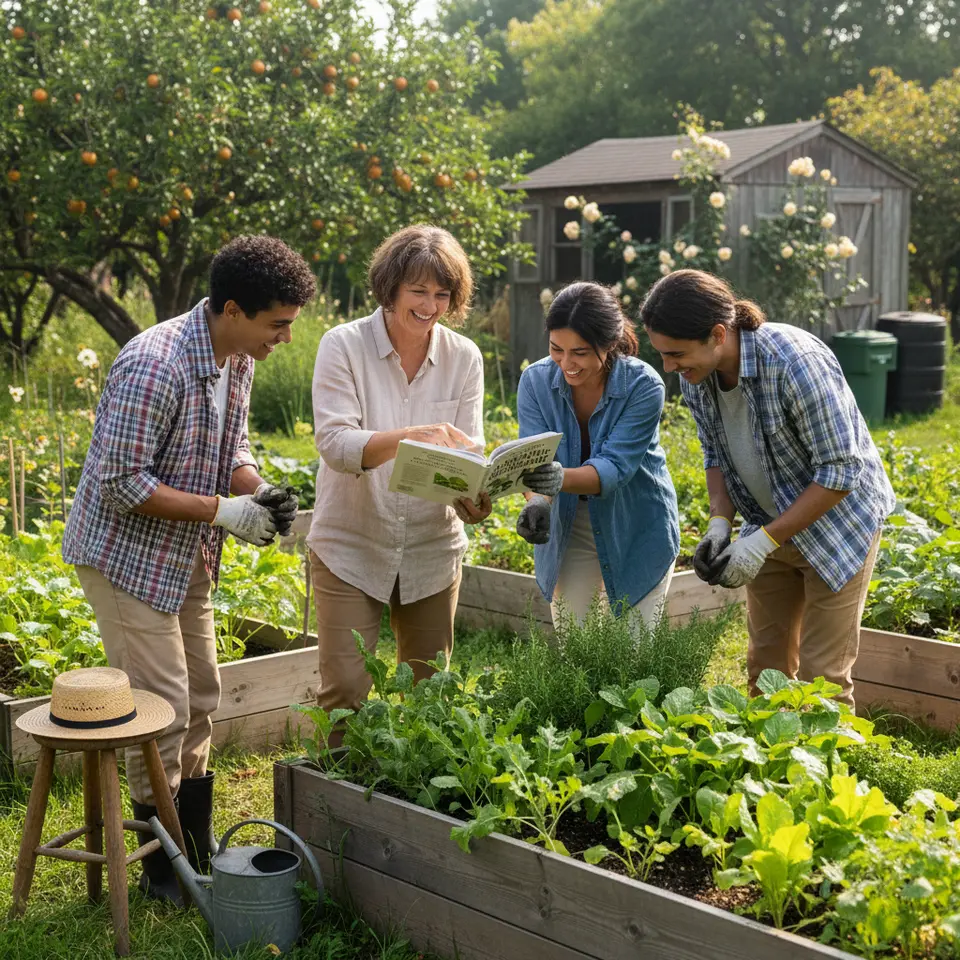
Discover how incorporating Organic Gardening into school curriculums creates peaceful environments, helping students develop essential focus, regulate their emotions, and deeply connect with the natural world.
This comprehensive guide explores how schools utilize outdoor spaces to cultivate mindfulness and academic success. You will learn actionable strategies for implementing nature-based education, the psychological benefits of soil cultivation, and how green spaces actively improve student behavior and daily concentration.
The Educational Shift Toward Nature

Educators constantly seek new methods to improve student engagement and mental health. While technology offers incredible tools for learning, it often brings distractions and screen fatigue. To counteract this, forward-thinking schools are turning to the soil. They realize that teaching students how to grow their own food provides profound psychological benefits.
When children step outside the traditional four walls of a classroom, their stress levels drop. Organic Gardening offers a unique, tactile experience that demands presence and patience. Students cannot rush a tomato plant to bear fruit, nor can they swipe a screen to make a seed sprout faster. This natural pacing forces students to slow down, observe their surroundings, and engage in mindful activity.
By integrating these green spaces into the daily schedule, schools create sanctuaries of calm. The garden becomes a living laboratory where academic concepts merge with emotional regulation techniques. Teachers report that students who spend time digging in the dirt return to their desks more focused, less anxious, and ready to tackle complex academic challenges.
Psychological Benefits of Soil and Sunlight
Research consistently shows that spending time outdoors improves mental health. When students participate in Organic Gardening, they breathe fresh air, absorb vitamin D, and engage in physical activity. Furthermore, interacting with soil exposes students to Mycobacterium vaccae, a harmless bacteria that researchers believe triggers the release of serotonin in the brain. This natural mood booster helps alleviate anxiety and depression.
Beyond the biological benefits, caring for plants instills a deep sense of responsibility and accomplishment. A student who struggles with abstract math concepts might excel at measuring row spacing or calculating watering volumes. When they see the tangible results of their labor, their self-esteem skyrockets. This confidence naturally bleeds into other areas of their academic life.
Creating Inclusive Spaces for Neurodivergent Learners
Traditional classrooms often overwhelm students with sensory processing disorders. The bright lights, loud noises, and constant movement can lead to behavioral outbursts or complete withdrawal. Gardens offer a soothing alternative. The natural environment provides gentle sensory input—the smell of herbs, the texture of leaves, the sound of birds—that helps calm an overactive nervous system.
Many schools successfully integrate outdoor time with their indoor support systems. For example, administrators might link garden time directly to their Sensory Room Schedules. If a student feels overwhelmed, their designated cool-down time can involve watering the school’s indoor greenhouse or tending to a quiet corner of the outdoor garden. This seamless transition between indoor support and outdoor therapy ensures students have multiple avenues for emotional regulation.
The Environmental and Health Advantages of Organic Gardening
Organic gardening offers a wealth of environmental benefits that extend far beyond home boundaries. By avoiding synthetic fertilizers and pesticides, gardeners help protect local waterways from harmful runoff that can fuel algal blooms and deplete oxygen levels. Instead, organic amendments and natural pest controls foster balanced soil biology, supporting earthworms, microbes, and beneficial insects such as ladybugs and lacewings. This network of organisms breaks down organic matter, cycles nutrients, and suppresses diseases without harmful byproducts.
From a health perspective, homegrown produce cultivated through organic gardening methods often contains higher levels of antioxidants, vitamins, and trace minerals compared to conventionally raised crops. Studies conducted by research institutions indicate that produce from organically managed soils can accumulate greater nutrient density. By picking vegetables and herbs at peak ripeness, you reduce the likelihood of oxidation and nutrient loss that often occurs during long-distance transport.
Moreover, engaging with organic gardening encourages outdoor activity, reduces stress, and enhances mental well-being. The act of tending to plants promotes mindfulness and offers a valuable break from screen-centric routines dominating today’s digital landscape. Kids and adults alike can learn about ecology, pollination, and the origins of food, fostering environmental stewardship in the next generation.
When you practice organic gardening, you also create safe havens for pollinators. Bees, butterflies, and hummingbirds thrive in gardens rich in native flowers, herbs, and leafy greens. Establishing diverse planting schemes and interplanting companion species helps maintain ecological balance and yields more resilient crops. Over time, your backyard—no matter how small—becomes a vital link in a larger network of green corridors across urban and rural settings.
By prioritizing organic gardening, you contribute to global sustainability goals, reduce your carbon footprint, and safeguard wildlife. It’s a simple yet powerful way to make a positive impact locally and beyond.
Designing Your Organic Garden Space for Maximum Yield
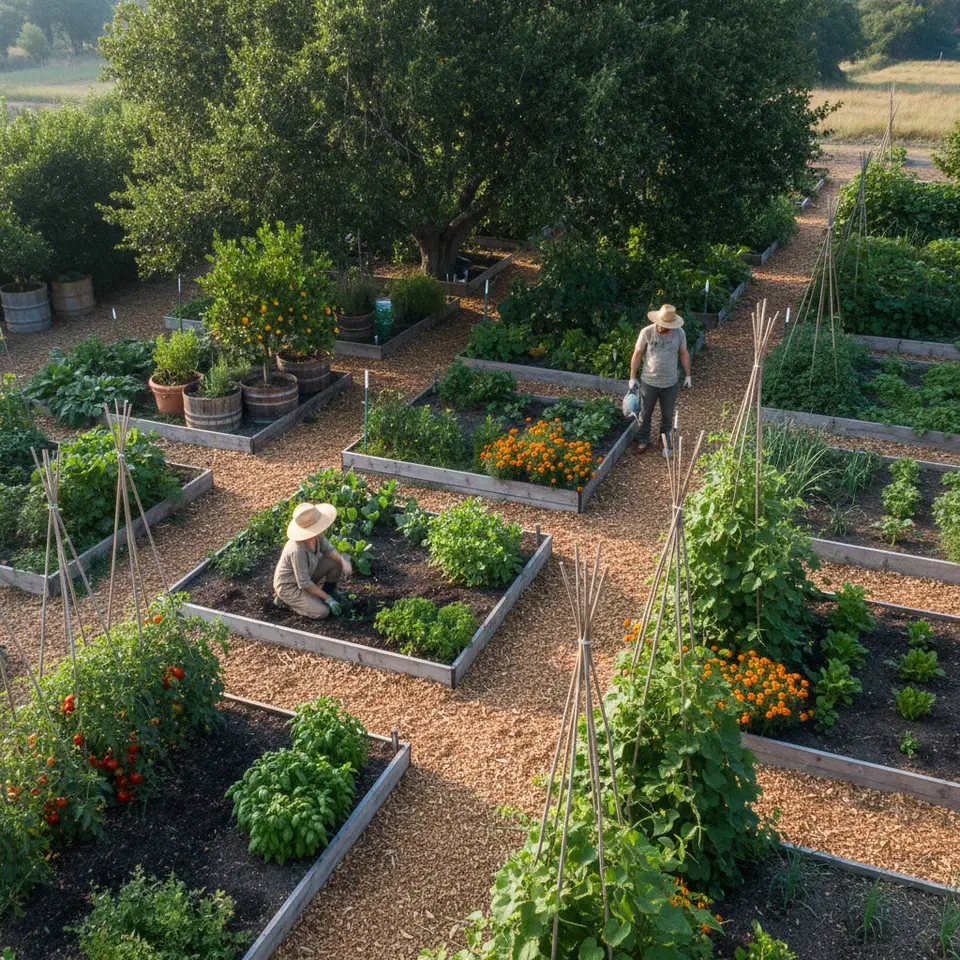
Effective organic gardening begins with thoughtful space planning. Start by observing your site’s sun exposure, wind patterns, soil characteristics, and water access. Track sunlight hours throughout a typical day, noting areas of full sun, partial shade, and deep shade. Sketch a layout that positions sun-loving crops—tomatoes, peppers, squash—in the brightest zones, while shade-tolerant plants such as leafy greens and herbs take refuge under taller neighbors or garden structures.
Raised beds, in-ground rows, and containers each offer unique advantages. Raised beds warm faster in spring, enable precise soil amendments, and improve drainage. In contrast, in-ground gardens often require less initial investment but may demand extensive soil renovation. Containers excel on balconies and patios, allowing you to control growing medium and water use. Whichever format you choose, maintain bed widths between 3 and 4 feet so you can reach the center from either side without compacting the soil.
Implement pathways between beds to facilitate easy access for planting, weeding, and harvesting. Mulch walkways with wood chips or gravel to suppress weeds and create a clean working environment. Incorporate vertical supports—trellises, cages, or obelisks—to maximize space and encourage airflow around vining crops. This vertical dimension helps reduce disease pressure by keeping leaves dry and well-ventilated.
Consider companion planting and guild design to promote beneficial interactions and deter pests naturally. For instance, pairing basil near tomatoes can enhance flavor and repel certain insects, while planting marigolds among beans can discourage nematodes. Group plants with similar water and nutrient needs together to streamline maintenance and avoid resource competition.
Finally, factor in rotation planning by designating zones for different plant families. Rotating Solanaceae (tomatoes, peppers, eggplants) to new beds each season minimizes soil-borne diseases and nutrient depletion. By mapping out your garden with these principles, you’ll set the stage for a productive, low-maintenance organic haven.
Comparison: Traditional Classrooms vs. Outdoor Learning
|
Feature |
Traditional Classroom |
Garden-Based Learning |
|---|---|---|
|
Learning Style |
Passive, auditory, visual |
Active, tactile, kinesthetic |
|
Pacing |
Fast-paced, curriculum-driven |
Slow-paced, nature-driven |
|
Stress Levels |
Often high due to testing pressure |
Generally low, calming environment |
|
Physical Activity |
Minimal (sitting at desks) |
Moderate (digging, planting, walking) |
|
Focus Duration |
Often requires frequent redirection |
High engagement, natural concentration |
Common Mistakes to Avoid in School Gardens
Starting an outdoor education program requires careful planning. Avoid these frequent pitfalls to ensure your initiative thrives:
- Starting Too Big: Do not try to plow an acre in your first year. Start with a few raised beds to make the project manageable.
- Failing to Secure Summer Care: Plants need water in July and August. Create a volunteer schedule for families to maintain the space while school is out.
- Ignoring Soil Quality: You cannot grow healthy plants in nutrient-dead dirt. Invest time in building healthy compost and soil before planting.
- Siloing the Project: If only one science teacher runs the garden, the program will die if that teacher leaves. Involve the whole staff.
- Forcing Participation: Some students dislike getting dirty. Offer alternative roles like garden designer, data tracker, or sign painter.
Pro Tips for Sustaining a School Garden
To maximize the benefits of your nature-based learning initiatives, implement these expert strategies:
- Plant High-Yield, Fast-Growing Crops: Radishes, lettuce, and bush beans grow quickly, giving students immediate gratification and keeping them engaged.
- Build a Compost System: Teach sustainability by turning cafeteria food waste into fertilizer. This reduces school waste and provides free nutrients.
- Involve the Local Community: Reach out to local master gardeners or agricultural extension offices. They often provide free advice, seeds, and volunteer hours.
- Create Quiet Zones: Designate specific areas of the garden explicitly for reading, journaling, or quiet reflection.
- Celebrate the Harvest: Host a tasting party where students get to eat the food they grew. This reinforces the value of their hard work.
Building and Nourishing Living Soil
At the heart of successful organic gardening lies vibrant, living soil. Instead of relying on synthetic inputs, organic practitioners focus on feeding soil biology to unlock natural nutrient cycles. Begin with a soil test to assess pH and key nutrient levels—nitrogen, phosphorus, and potassium. Most vegetables thrive within a pH range of 6.0 to 7.0. If your soil tends toward acidity, introduce lime or wood ash; for alkaline soils, incorporate elemental sulfur or organic matter.
Compost is the cornerstone of soil fertility. Whether you build a simple bin, a layered trench, or a tumbler system, aim for a balanced mix of greens (kitchen scraps, grass clippings) and browns (fallen leaves, straw) at approximately a 1:2 ratio by volume. Turn or aerate your pile weekly to accelerate decomposition and prevent odors. Mature compost resembles dark, crumbly soil and can be applied as a top dressing or mixed into planting beds at a ratio of 1 part compost to 3 parts native soil.
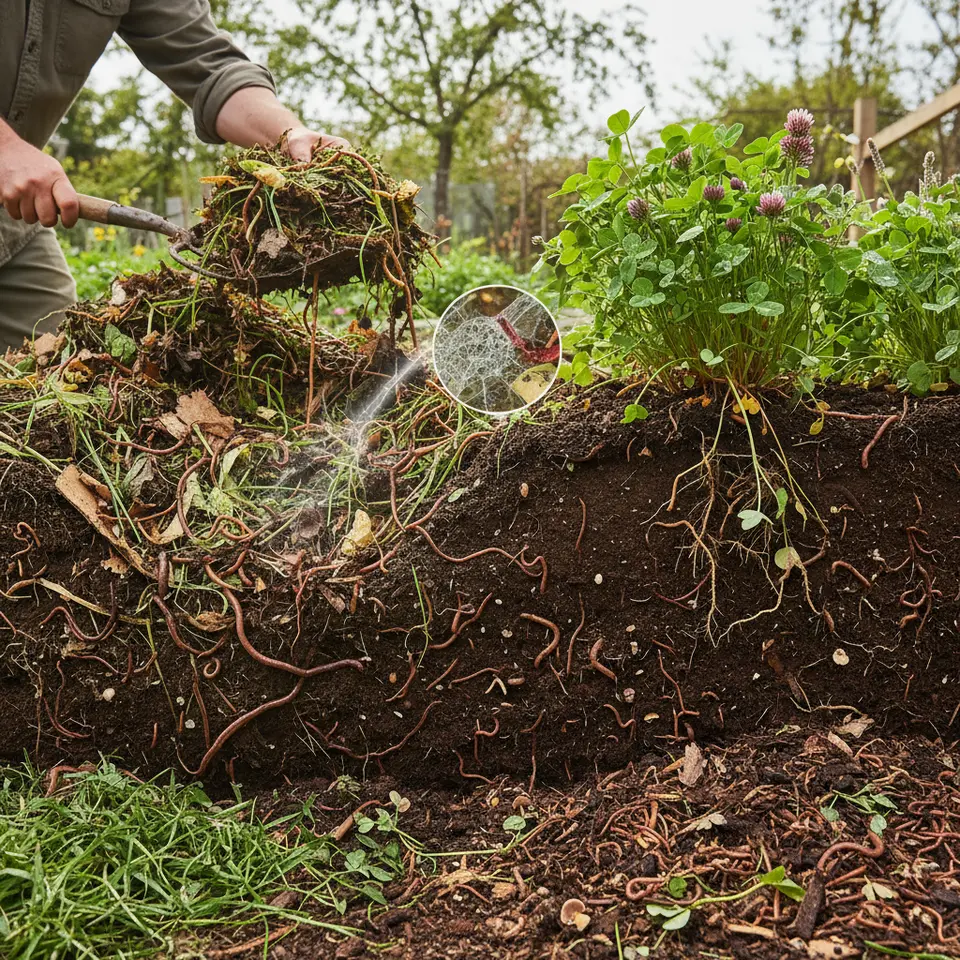
Cover cropping is another vital strategy. Fast-growing legumes—clover, vetch, field peas—fix atmospheric nitrogen and add organic matter when turned under as green manure. Grasses like rye and oats produce copious root biomass that improves soil structure and reduces erosion. Plant cover crops between main seasons or in fallow areas to keep soil active and teeming with life.
Mulches—shredded leaves, straw, wood chips—guard against moisture loss, regulate temperature, and suppress weeds. As they break down, they feed earthworms and beneficial fungi, creating channels for root growth and water infiltration. Over time, you’ll observe that bed preparation becomes quicker as soil gains resilience and fertility.
To feed micronutrients, consider organic amendments such as bone meal (phosphorus), blood meal (nitrogen), or kelp meal (trace elements). Apply these sparingly, following package instructions, and observe plant response. Maintaining soil health through these living practices ensures that your organic garden remains robust, even in the face of changing weather patterns.
Selecting Plants and Seed Starting Best Practices
Choosing plant varieties adapted to your region is crucial for thriving yields. Consult local extension services or community seed exchanges for recommendations on heat tolerance, frost resistance, and disease resilience. Heirloom cultivars often excel in flavor and genetic diversity, while modern hybrids may offer improved uniformity and pest resistance. Aim for a mix of both to balance taste and reliability.
Direct seeding works well for root crops (carrots, beets), leafy greens (lettuce, spinach), and peas. Sow seeds at the depth specified on packets, label rows carefully, and thin seedlings to their recommended spacing to reduce competition. For plants with a longer maturation period—tomatoes, peppers, eggplants—start seeds indoors 6 to 10 weeks before transplanting. Use sterile seed-starting mix and containers that allow drainage.
Provide at least 14 to 16 hours of gentle light daily via grow lights or a bright windowsill. Maintain consistent moisture without waterlogging by misting soil surface and using humidity domes or clear plastic covers. Once true leaves appear, gently transplant seedlings into larger pots to encourage a strong root ball. Gradually acclimate young plants to outdoor conditions over a week—this process, known as hardening off, prevents shock and promotes vigor.
Timing plays a pivotal role: transplant when nighttime temperatures reliably exceed 50°F (10°C) to avoid cold stress. Plant on overcast or late afternoon hours so roots establish before intense sun hits. After planting, apply a thin layer of mulch to conserve moisture and insulate roots.
Record germination rates, transplant dates, and variety performance in a garden journal. This data-driven approach helps refine future plant choices and optimizes your organic gardening success season after season.
Water Management, Pest Control, and Sustainable Maintenance
Healthy plants thrive on consistent watering, efficient nutrient delivery, and integrated pest management—cornerstones of organic gardening. Adopt drip irrigation or soaker hoses to deliver moisture directly to root zones, reducing surface evaporation and limiting fungal spores on foliage. Water early in the morning to allow leaves to dry before evening, minimizing disease outbreaks.
Mulching remains a multifunctional ally: organic layers suppress weeds, stabilize soil temperature, and feed soil life as they decompose. Replenish mulches as needed, particularly around moisture-loving crops. Deep watering—sending water 6 to 8 inches down—encourages roots to explore deeper, improving drought resilience.
Rather than resorting to chemical controls, integrate natural strategies to manage pests and diseases. Plant insectary strips—rows or clusters of flowers like alyssum, dill, and calendula—to attract predatory insects and pollinators. Deploy physical barriers such as floating row covers to shield young plants from aphids, flea beetles, and cabbage worms. Remove infested leaves by hand and monitor weekly for early signs of trouble.
Homemade botanical sprays, such as neem oil emulsions or insecticidal soap, can address soft-bodied pests when applied responsibly. Always test on a small leaf area first and avoid spraying during peak pollinator activity. Rotate botanical applications with other cultural methods—crop rotation, resistant varieties, and habitat diversification—to prevent pest adaptations.
Seasonal maintenance includes mulching, weeding, pruning, and crop rotation. At the end of harvest, clear spent foliage to deter overwintering pests and diseases. Break crop sequences by planting unrelated families in the same bed. For instance, follow heavy feeders like tomatoes with light feeders such as lettuce, then replenish nutrients with legumes or cover crops. By blending these practices, your organic garden will flourish in harmony with nature’s rhythms.
Conclusion
Organic gardening is a rewarding practice that nurtures the environment while providing fresh, flavorful produce. By designing your space thoughtfully, building living soil, selecting regionally adapted plants, and maintaining sustainable routines, you can create a thriving ecosystem. Today, gardeners have unparalleled access to research-backed guidance—from government resources like the Environmental Protection Agency to university extension programs—that helps refine techniques and troubleshoot challenges.
Embrace organic gardening as an evolving journey rather than a fixed destination. Observe your garden’s responses, celebrate small victories, and adapt methods to your unique microclimate. In today’s digital landscape, share your experiences with local gardening communities and online forums to learn collaboratively. As you cultivate healthy soil, attract beneficial wildlife, and harvest nutrient-dense crops, you’ll discover that organic gardening transforms not only your backyard but also your connection to the natural world.
Frequently Asked Questions
1. What makes a school garden organic?
It means the school avoids synthetic pesticides and chemical fertilizers. Instead, students use natural methods like composting, crop rotation, and beneficial insects to maintain plant health and soil vitality.
2. How do teachers find time to take students outside?
Successful schools do not add garden time on top of the curriculum; they integrate it. A teacher might conduct a standard science lesson or a creative writing session outside among the plants.
3. Can urban schools without large yards participate?
Absolutely. Urban schools can utilize container gardens, vertical walls, or indoor hydroponic systems. The cognitive benefits apply regardless of the garden’s physical footprint.
4. How does growing plants reduce student anxiety?
The natural environment provides a sensory break from noisy classrooms. Additionally, the physical act of caring for a living thing promotes mindfulness and grounds students in the present moment.
5. Are there grants available to fund these projects?
Yes, numerous local and national organizations offer grants specifically for agricultural education and school health initiatives. Partnering with local hardware stores can also yield material donations.
6. How do we keep the garden alive during summer break?
Most schools establish a “garden adoption” program where local families take turns watering and weeding for one week during the summer, keeping the produce they harvest as a reward.
7. What subjects benefit most from this type of learning?
While science and math are obvious fits, language arts classes benefit from nature journaling, and history classes can explore historical agricultural practices and indigenous farming methods.
8. How does this practice improve classroom behavior?
When students expend physical energy and engage their senses outside, they naturally release pent-up tension. They return to their indoor desks feeling refreshed, making them less likely to act out.
9. Can students eat the food they grow on campus?
Yes, and doing so strongly promotes nutritional education. However, schools must follow local health department guidelines regarding washing and serving food grown on school grounds.
10. Where should a school begin if they want to start this program?
Form a committee of interested teachers, parents, and administrators. Start small with two or three raised beds, secure a reliable water source, and focus on easy-to-grow seasonal crops.
