

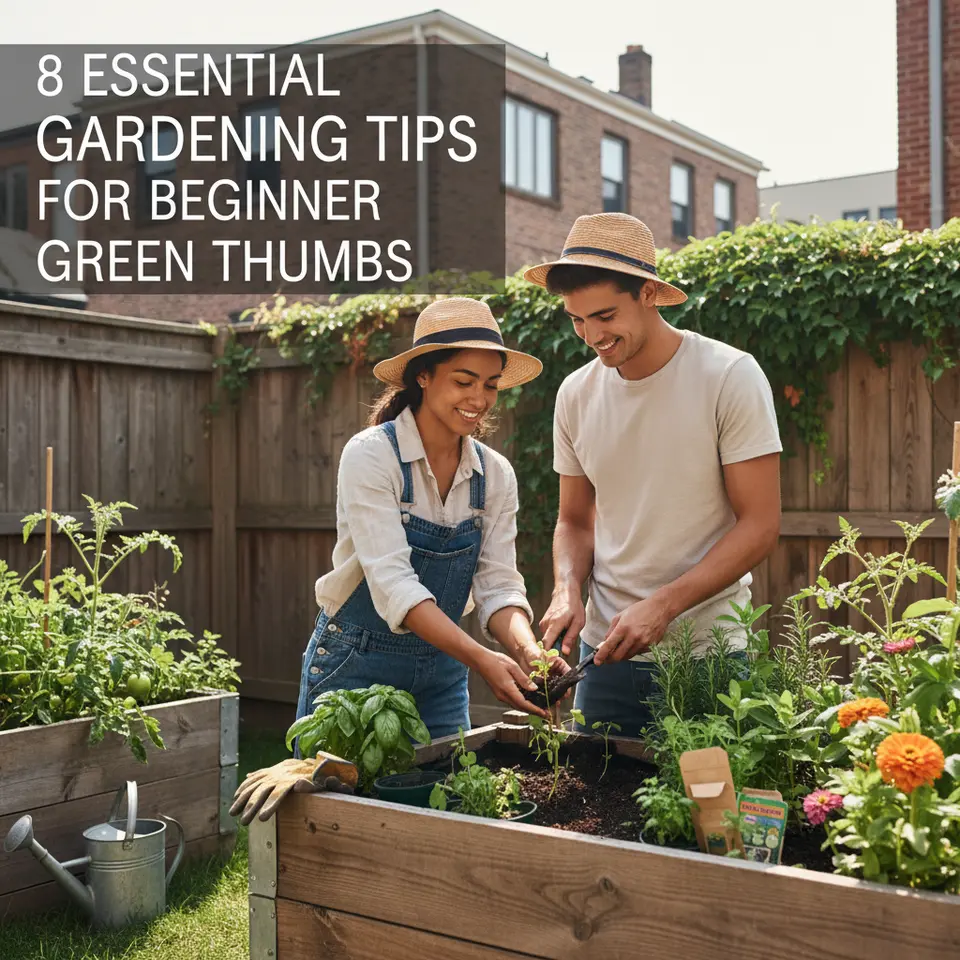
Embarking on beginner gardening transforms traditional education by fostering calm and focus. Students learn patience, responsibility, and essential science through hands-on experiences with nature and nurturing plants.
This comprehensive guide explores the intersection of horticulture and learning. We will uncover how starting an educational garden improves student concentration, reduces stress, and provides practical science lessons. Discover expert tips, avoid common pitfalls, and review key strategies for cultivating a thriving, mindful learning environment.
The Connection Between Plants and Learning
The modern educational landscape often leaves students feeling overwhelmed by screens, standardized testing, and constant stimulation. Introducing beginner gardening into this environment acts as a powerful antidote. Engaging with soil, seeds, and water grounds students in the physical world, offering a sensory experience that digital learning cannot replicate. By participating in beginner gardening, learners develop a profound sense of responsibility. They observe the direct consequences of their actions—or inaction—on living organisms, fostering a deep, practical understanding of cause and effect.
Furthermore, educational gardens serve as living laboratories. Biology, ecology, and environmental science leap off the pages of textbooks and into the hands of students. The tactile nature of digging and planting engages multiple learning styles, ensuring that kinesthetic learners have an equal opportunity to thrive. This approach not only solidifies scientific concepts but also builds a foundation for lifelong environmental stewardship. We recommend exploring resources from the American Horticultural Society to see how schools nationwide are adapting these practices.
Starting Your First Educational Garden
Launching a school or home learning garden requires careful planning and a clear understanding of your specific environment. The goal is to create a sustainable, manageable space that encourages continuous student interaction without becoming a burden on educators.
Choosing the Right Plants
For any educational setting, plant selection dictates the success of the project. You want resilient, fast-growing varieties that offer quick visual rewards to keep students engaged. Radishes, marigolds, sunflowers, and snap peas are excellent choices for a beginner gardening project because they germinate rapidly and require minimal specialized care. Integrating local native plants into your selection also teaches students about regional biodiversity and local ecosystems.
Essential Tools for Students
Equipping students with the correct tools ensures safety and enhances the learning experience. Provide child-sized trowels, watering cans with manageable capacities, and durable gardening gloves. By giving students ownership of their tools, you instill a sense of pride and responsibility. Consider setting up a dedicated tool station where students learn to clean and store their equipment properly after each session, reinforcing organizational skills.
Lay the Foundation with a Clear Garden Plan
Determining Goals and Layout
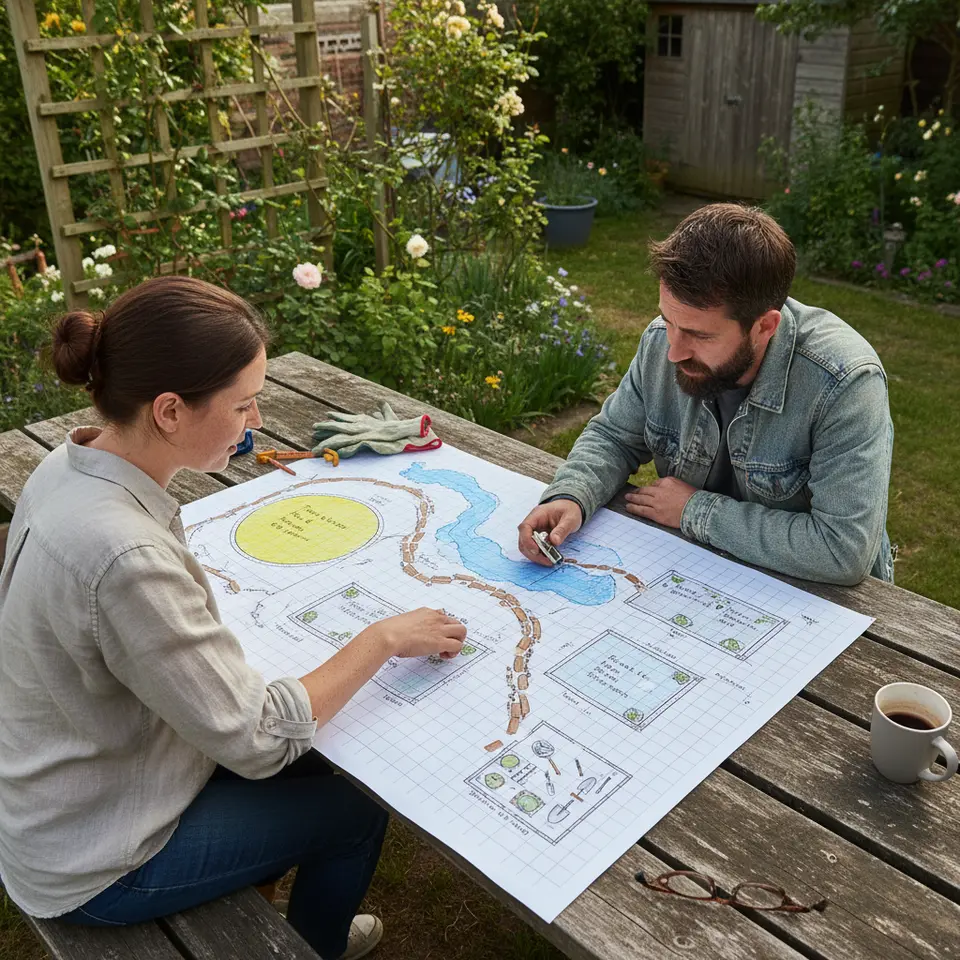
Establishing a clear blueprint is the first among these gardening tips for beginner green thumbs, ensuring that every inch of garden space serves a purpose. Start by listing the types of plants you wish to grow—vegetables, herbs, flowers, or a mix. Consider whether you want functional produce beds, decorative borders, or a combination of both. Sketch a simple grid on paper or use free online tools to visualize the area. Highlight zones with differing sunlight exposure, access to water, and existing structures like fences or walkways.
Sunlight and Shading Maps
Observe your outdoor area across several days, if possible, to note sun and shade patterns. Areas receiving at least six hours of direct sunlight suit sun-loving crops such as tomatoes, peppers, and lavender. Conversly, leafy greens like lettuce and spinach tolerate partial shade. Mark these observations on your plan so you can assign each plant group to its ideal microclimate. This method aligns with recommendations from reputable institutions such as the Penn State Extension.
Pathways and Accessibility
Including pathways or stepping stones in your design prevents soil compaction and makes maintenance tasks easier. Aim for paths that allow you to reach any plant without stepping on beds. Allocate space for tool storage and a comfortable work area. When you follow these strategies, you’ll find your gardening process more efficient, helping you implement gardening tips for beginner green thumbs smoothly from the outset.
Identify the Perfect Garden Location
Assessing Site Conditions
Choosing the right spot is second among top gardening tips for beginner green thumbs. Ideal sites combine adequate sunlight, proper drainage, and shelter from extreme weather. Begin by spending time in the potential garden area, tracking the sun’s path during different times of day. A place with morning sun and afternoon shade can protect delicate crops from intense heat. If your backyard is prone to strong winds, consider installing windbreaks or selecting a more sheltered corner.
Drainage and Soil Concerns
Observe how water behaves after rainfall. Areas that remain soggy may suffer from root rot issues. To avoid waterlogging, you can opt for raised beds or containers filled with a high-quality growing medium. This approach allows greater control over soil composition and moisture, which is crucial if your native soil is heavy clay or sandy.
Leveraging Containers and Micro-Gardens
For those with limited space or urban settings, container gardening provides a practical solution. Use pots, troughs, or fabric planters positioned where sunlight is optimal. Container gardening also aligns with sustainable practices by reducing water waste and enabling mobility. Group pots based on watering needs and plant types to streamline your watering routine. By focusing on location alongside these gardening tips for beginner green thumbs, you set the stage for healthier plants and easier maintenance.
Pro Tips for Sustaining a School Garden
- Start Small: Begin with a few container gardens or a single raised bed before expanding.
- Assign Roles: Give students specific jobs like “Water Manager” or “Pest Inspector” to encourage leadership.
- Embrace Seasonality: Plan your planting schedule around the academic year so students witness the full harvest cycle before summer break.
- Engage the Community: Invite parents and local master gardeners to volunteer, spreading the workload and sharing expertise.
Common Mistakes to Avoid in Educational Gardens
Even the most enthusiastic educators can stumble when setting up an outdoor learning space. Avoid these frequent pitfalls to ensure your beginner gardening initiative flourishes:
- Overcomplicating the Design: Complex irrigation systems and exotic plants overwhelm both teachers and students. Stick to the basics.
- Neglecting Summer Maintenance: Schools often forget that plants need care during the summer holidays. Establish a volunteer watering schedule beforehand.
- Doing the Work for the Students: It is tempting to step in and fix messy rows or pull tough weeds, but students learn best through their own mistakes and efforts.
- Ignoring Soil Health: A beautiful garden starts underground. Skipping soil testing and failing to add compost leads to poor yields and student disappointment.
Comparing Indoor and Outdoor Educational Gardens
Depending on your climate and available space, you might need to choose between an indoor classroom garden and an outdoor plot. Both offer unique advantages for teaching beginner gardening.
|
Feature |
Indoor Classroom Garden |
Outdoor School Garden |
|---|---|---|
|
Space Required |
Minimal (windowsills, grow tents) |
Significant (yards, raised beds) |
|
Climate Control |
Year-round growing potential |
Subject to local seasons and weather |
|
Pest Management |
Generally fewer pests |
Requires active organic pest control |
|
Curriculum Focus |
Micro-biology, hydroponics |
Ecology, weather patterns, macro-biology |
|
Student Movement |
Limited physical exertion |
High physical activity and fresh air |
Prepare and Enrich Your Soil
Testing Soil Health
Robust soil is the backbone of every successful garden. Begin by testing your soil’s pH and nutrient levels, either with a home kit or through services offered by local extension offices. Most vegetables flourish at a pH between 6.0 and 7.0. If your soil falls outside this range, amendments like agricultural lime (to raise pH) or elemental sulfur (to lower pH) will restore the optimal balance.
Incorporating Organic Matter
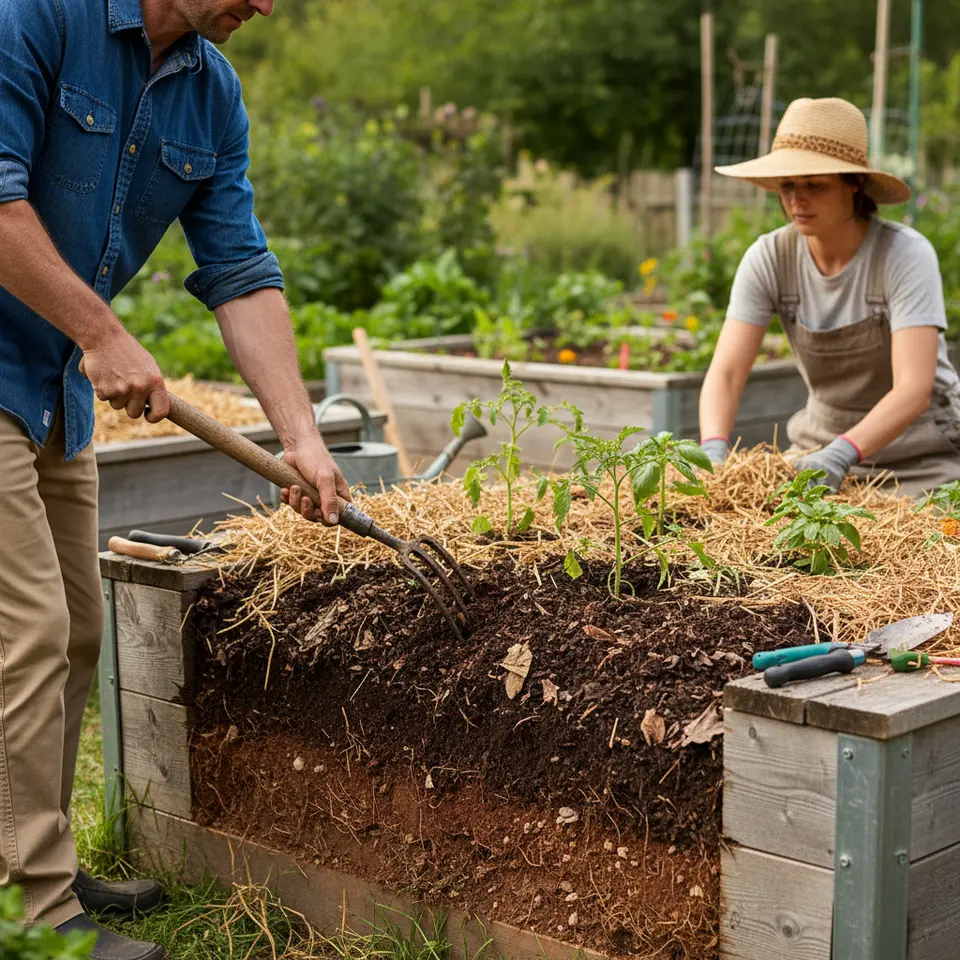
Adding organic materials improves soil structure, fertility, and water retention. Spread a 2–3 inch layer of well-rotted compost, aged manure, or shredded leaves over the surface. Then, gently incorporate it into the top 6–8 inches of soil using a garden fork or tiller. This process loosens compacted clay and enriches sandy earth, fostering robust root development and efficient nutrient uptake.
Benefits of Mulching
Applying mulch around plants offers multiple advantages. Organic mulches such as straw, wood chips, or leaf mold conserve moisture, suppress weeds, and gradually enrich the soil as they decompose. Aim for a 2–4 inch layer, leaving a small gap around stems to prevent rot. Proper mulching complements other gardening tips for beginner green thumbs by reducing labor and improving overall garden health.
Select and Plant Region-Appropriate Varieties
Understanding Plant Hardiness
Selecting species suited to your climate zone forms another key guideline in our gardening tips for beginner green thumbs. Consult the USDA Plant Hardiness Zone Map to identify which plants are most likely to thrive locally. Seed packets and plant labels always indicate the recommended zone range and light requirements, guiding you in making informed choices.
Opting for Beginner-Friendly Plants
When you’re starting out, choose low-maintenance varieties known for reliability. Cherry tomatoes, bush beans, lettuce mixes, marigolds, and herbs like basil and mint are excellent options. Many garden centers now label these selections as “beginner-friendly,” simplifying your decision-making process.
Planting Techniques for Success
Proper planting depth and spacing prevent overcrowding and disease. Follow seed packet instructions—plant most seeds at a depth twice their diameter. For transplants, gently tease roots to encourage outward growth, then set them so the soil line matches the original container level. Firm soil around the base and water thoroughly to eliminate air pockets.
Grouping for Pollination and Growth
Grouping compatible plants can boost pollination and deter pests. For example, flowers like marigolds and alyssum planted near vegetables attract beneficial insects that prey on harmful pests. Companion planting strategies enrich biodiversity while adhering to effective gardening tips for beginner green thumbs.
Watering, Feeding, and Protecting Your Plants
Implementing Smart Watering Practices
Consistent moisture management is crucial. Aim for deep, infrequent watering sessions—about 1–1.5 inches per week—rather than frequent, shallow sprinkles. This encourages deep root growth, enhancing drought tolerance. Water early in the morning to minimize evaporation and reduce leaf wetness at night, which helps prevent fungal issues.
Fertilizing with Purpose
Even well-amended soils benefit from additional nutrients during peak growth phases. Use slow-release granular fertilizers or organic options such as fish emulsion and compost tea. Apply nitrogen-rich feeds early for leafy growth, switching to phosphorus- and potassium-focused formulas when blooms and fruits emerge. Always adhere to label recommendations to avoid overfeeding.
Monitoring and Managing Pests
Vigilant observation enables early pest identification. Inspect leaves, stems, and soil surfaces weekly. Handpick large pests like caterpillars, use insecticidal soap for soft-bodied insects, and apply diatomaceous earth for slugs and snails. Encourage natural predators such as ladybugs and lacewings by growing insectary plants like dill and fennel.
Disease Prevention and Remediation
Maintaining good air circulation by spacing plants properly reduces disease risk. Remove any diseased foliage immediately and dispose of it away from your garden. For serious outbreaks, consider disease-resistant varieties in next year’s planting scheme. In today’s digital landscape, you can also find real-time updates on plant health from resources like University of Wisconsin Extension.
Conclusion
Embarking on a gardening journey can feel daunting, but these gardening tips for beginner green thumbs simplify the process. From defining a strategic layout and selecting an optimal site to preparing fertile soil, choosing suitable plants, and mastering water, nutrition, and pest control, each step builds toward a thriving outdoor sanctuary. Remember that gardening success depends on patience, observation, and adaptation as seasons evolve. As you implement these recommendations today, you set the foundation for sustainable growth, abundant harvests, and vibrant floral displays. In 2026, this year (2026) marks the perfect moment to start cultivating your green space and to watch your gardening efforts flourish.
Frequently Asked Questions
1. What role does beginner gardening play in modern education?
Beginner gardening provides hands-on, experiential learning opportunities. By applying basic horticulture principles, educators help students connect theoretical science concepts with real-world biology, keeping everyone focused, relaxed, and highly engaged.
2. How does interacting with nature reduce student anxiety?
Exposure to nature is scientifically proven to lower cortisol levels. When students interact with soil and living things through beginner gardening, it acts as a grounding exercise, which eliminates the stress of highly structured indoor academic expectations.
3. Can beginner gardening improve the accessibility of education?
Yes. By following inclusive practices like installing raised container beds and creating sensory-friendly indoor spaces, educators make hands-on learning accessible to all students, including those with physical disabilities or sensory processing differences.
4. What are the best plants to start with for educational purposes?
Radishes, beans, spider plants, and pothos are excellent choices for beginner gardening. They provide rapid growth and clear visual feedback, which helps maintain student interest and makes the scientific observation process much more rewarding.
5. Why is a clean, organized layout important for learning spaces?
Complex layouts increase cognitive load and spatial confusion. When educational platforms use logical, uncluttered designs for their natural spaces, students spend their energy engaging with the material rather than feeling overwhelmed by a messy environment.
6. Does beginner gardening replace traditional science classes?
No. These hands-on spaces empower human educators by providing a living laboratory. Educators can focus on teaching high-quality, impactful curriculum while the physical beginner gardening environment serves as a practical testing ground.
7. How do parents measure the success of these beginner gardening initiatives?
Success is typically measured through improved student engagement, better mood regulation, and a noticeable decrease in homework-related anxiety. Key indicators include reduced behavioral disruptions and increased independent study time.
8. What is the biggest mistake made when starting a beginner gardening project?
The most common mistake is over-complicating the project by choosing difficult plants or demanding too much daily labor. Educators must prioritize simplicity to ensure the beginner gardening project remains a source of calm rather than a new source of stress.
9. How exactly does tending to plants help with student focus?
Tending to living things requires sustained, quiet attention to detail. This practice builds attention stamina in a low-stakes, calming environment, which translates directly to improved focus during rigorous indoor academic tasks.
10. How quickly can a student see results after implementing this routine?
Educators often notice improvements in student mood and emotional regulation within just a few weeks of starting beginner gardening. The tactile nature of the work provides an almost immediate calming effect, resetting the student’s nervous system for better learning.
