

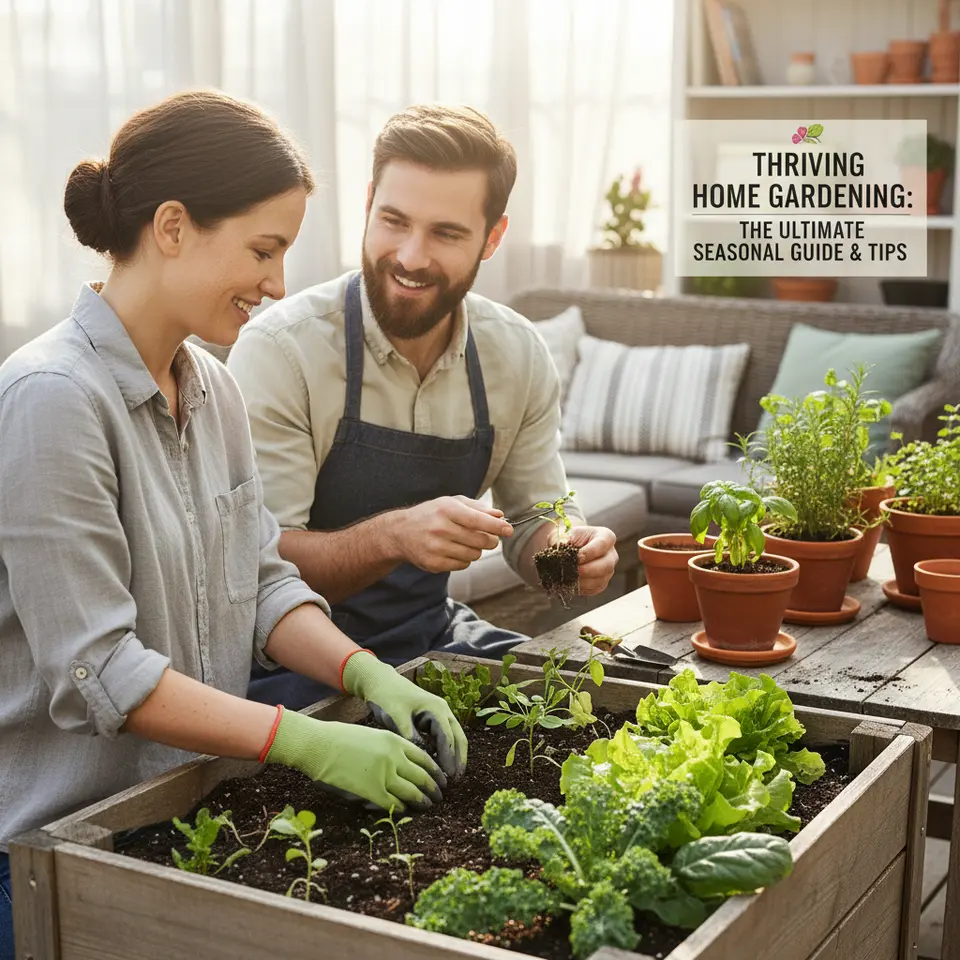
Discover how integrating practical gardening tips into daily routines transforms education. By fostering calm and focus, students unlock new levels of engagement and personal growth.
This comprehensive guide explores the powerful intersection of nature and learning. We will uncover essential gardening tips that educators and parents can use to cultivate focus, reduce anxiety, and create hands-on educational experiences that nurture both plants and young minds.
The Connection Between Nature and Learning

Education goes far beyond classroom walls and textbooks. Recent shifts in pedagogical approaches highlight the profound impact that the natural environment has on cognitive development. Implementing effective gardening tips into school curriculums provides a unique pathway to improved mental health and academic performance. When students interact with soil, seeds, and sunlight, they experience a grounding effect that sharpens their attention span and reduces academic stress.
How Soil Health Boosts Mental Health
Research shows that exposure to certain beneficial bacteria found in soil can stimulate serotonin production in the brain. This natural mood booster helps alleviate anxiety, making students more receptive to learning. By applying basic gardening tips, such as proper soil preparation and composting, students not only learn biology but also actively engage in an activity that naturally regulates their nervous system.
Building Focus Through Repetition
Cultivating a plant requires patience, observation, and routine. We see that students who participate in daily watering, weeding, and pruning develop stronger executive functioning skills. The step-by-step nature of these gardening tips translates directly into better study habits. Students learn that consistent, small efforts lead to substantial long-term results, a mindset perfectly aligned with academic success. Check out resources from educational psychology associations to see the data linking outdoor routines to cognitive stamina.
Integrating Gardening into the Curriculum
Educators often wonder how to bridge the gap between outdoor activities and standardized learning objectives. The secret lies in using practical gardening tips as a foundation for teaching core subjects like math, science, and even literature.
Science and Biology in Action
Instead of reading about photosynthesis, students can witness it firsthand. By following seasonal gardening tips for planting specific crops, learners observe the life cycle of plants, understand weather patterns, and study ecosystems. School garden ecosystems offer a living laboratory where hypotheses are tested and scientific methods are applied in real time.
Mathematics and Plot Planning
Gardening requires precise measurements, spatial awareness, and resource allocation. Teachers can utilize gardening tips focused on square-foot gardening to teach area, perimeter, and volume. Calculating seed depth, spacing, and water volume turns abstract mathematical concepts into tangible, hands-on lessons.
Essential Gardening Tips for Educational Spaces
To successfully integrate horticulture into learning environments, educators need a solid foundation of reliable gardening tips. The following strategies ensure that school gardens thrive while maximizing student engagement.
Start Small and Scale Gradually
One of the most vital gardening tips for schools is to begin with manageable projects. Container gardens or a few raised beds are perfect starting points. This prevents students and teachers from feeling overwhelmed and ensures a high success rate, which is crucial for building confidence.
Choose High-Yield, Fast-Growing Plants
To keep students engaged, visible progress is necessary. Radishes, leafy greens, and bush beans are excellent choices. Applying gardening tips focused on fast-maturing crops guarantees that students experience the reward of harvest within a single academic semester.
Incorporate Sensory Plants
Sensory gardens are specifically designed to stimulate all five senses, making them highly effective for special education and mindfulness practices. Mint, lavender, and lamb’s ear provide olfactory and tactile feedback. These specific gardening tips help create an inclusive environment where every student can find a calming anchor.
Comparison: Traditional Classrooms vs. Garden-Based Learning
Understanding the shift in educational paradigms requires looking at the concrete differences between indoor and outdoor learning environments.
|
Feature |
Traditional Classroom |
Garden-Based Learning |
|---|---|---|
|
Learning Style |
Mostly auditory and visual |
Highly kinesthetic and multi-sensory |
|
Stress Levels |
Can be high due to testing |
Naturally lowered by natural surroundings |
|
Focus Mechanism |
Forced attention |
Involuntary, natural fascination |
|
Collaboration |
Often individual |
Highly collaborative and team-oriented |
|
Physical Activity |
Sedentary |
Active movement, fine and gross motor skills |
Common Mistakes to Avoid in School Gardens
Even with the best intentions, educational garden programs can stumble. Here are common pitfalls and the corrective gardening tips to overcome them.
Neglecting Summer Maintenance
A frequent error is forgetting that plants continue to grow when school is out of session. Without a care plan, students return to overgrown or dead beds.
Correction: Develop a community volunteer schedule or utilize gardening tips related to drought-resistant, low-maintenance cover crops during the summer months.
Making It a “Chore” Rather Than a Discovery
If weeding is used as a punishment or a tedious task, students will resent the garden.
Correction: Frame maintenance as scientific observation. Encourage students to look for specific insects or measure plant growth while tending to the beds. Positive reinforcement strategies should always be at the forefront of the program.
Ignoring Local Climate Zones
Planting the wrong seeds at the wrong time leads to failure.
Correction: Strictly adhere to regional gardening tips and hardiness zone maps. Partner with local agricultural extensions for tailored advice.
Pro Tips for Maximizing Focus and Calm
To truly transform education through calm and focus, try these expert-level gardening tips in your educational program:
- Implement Silent Gardening: Dedicate the first ten minutes of garden time to complete silence. Allow students to simply listen to the wind, insects, and soil movement. This mindfulness practice resets the brain.
- Assign “Plant Guardians”: Give each student a specific plant to monitor. This builds profound empathy and personal responsibility.
- Journaling in the Dirt: Combine writing with nature. Have students keep a garden journal where they sketch plants and write reflections on the gardening tips they applied that week.
Cultivating a Lifelong Love for Learning
The ultimate goal of using gardening tips in an educational setting is to foster a lifelong love for learning. When students feel calm, safe, and connected to their environment, their capacity to absorb and retain information expands exponentially. A garden is not just a place to grow vegetables; it is a space to grow resilient, focused, and emotionally intelligent human beings.
Schools that embrace these practices consistently report lower behavioral issues and higher attendance rates. By prioritizing hands-on, nature-based education, we give students the tools they need to navigate the complexities of the modern world with grounded confidence. You will find that the simple act of planting a seed yields the most complex and beautiful educational outcomes.
Enriching Your Soil and Composting Strategies
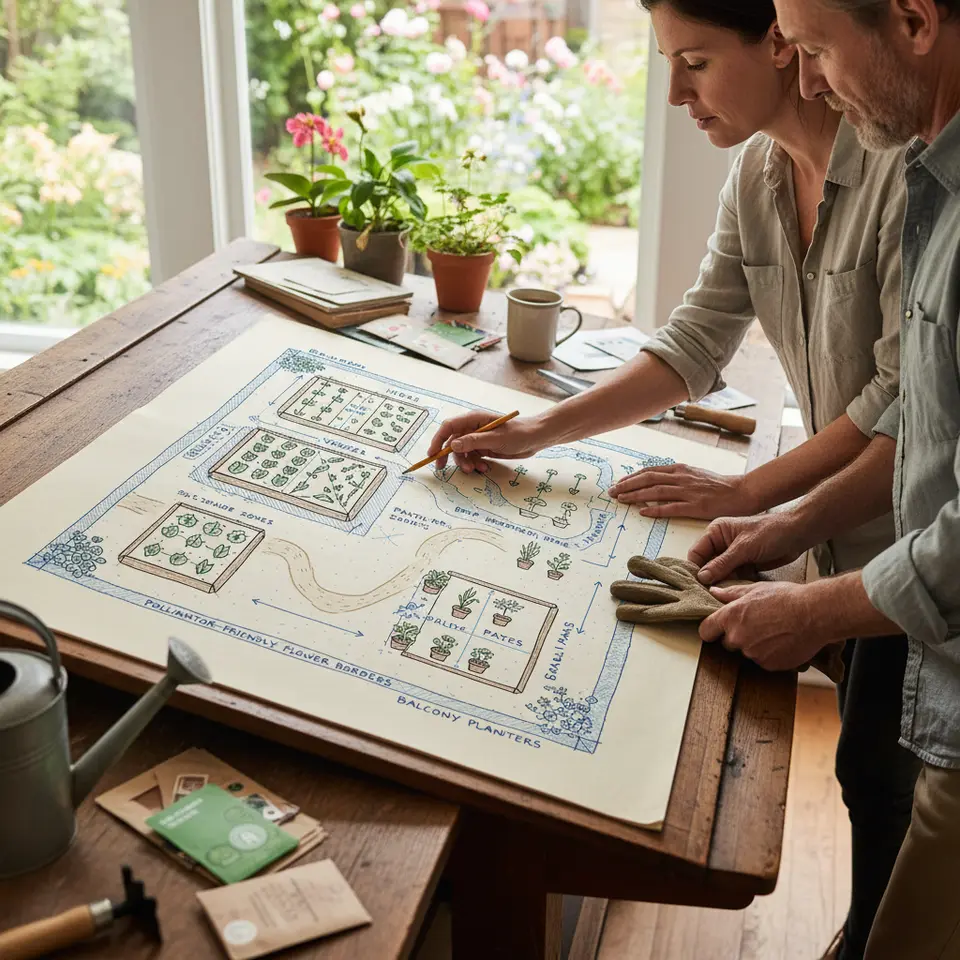
Healthy soil acts as the lifeblood of any garden. In the practice of home gardening, focusing on soil quality pays off in plant vigor, yield, and resilience against pests and drought. Begin by conducting a comprehensive soil analysis; many gardeners leverage services provided by the USDA NRCS or local extension offices to obtain detailed insights into nutrient levels, pH, and organic matter content. Armed with this data, you can tailor amendments to achieve a balanced environment where roots can thrive.
If your soil pH falls outside the ideal range of 6.0 to 7.0, you’ll need to raise or lower it. Agricultural lime can help increase pH in acidic soils, whereas sulfur or peat moss works to reduce pH in alkaline ground. Incorporating well-aged compost is one of the most effective techniques for boosting organic content and improving soil structure. Compost not only feeds beneficial microbes but also enhances moisture retention in sandy soils and improves drainage in clay-heavy terrains.
Building your own compost pile is straightforward and sustainable. Collect kitchen scraps—fruit and vegetable peelings, coffee grounds—and yard waste like grass clippings and fallen leaves. Aim for a roughly three-to-one ratio of carbon-rich materials (dry leaves, straw, shredded paper) to nitrogen-rich scraps (green waste). Layer these materials in a bin or designated heap, maintaining moisture similar to a damp sponge. Turn the pile every two weeks to introduce oxygen and speed up decomposition. In as little as three to six months, you’ll have dark, crumbly compost ready to incorporate into your beds.
For gardeners seeking an accelerated approach, vermicomposting with red worms can produce high-quality castings in an enclosed bin. Worm bins thrive in shaded areas and require minimal effort: simply feed kitchen scraps, maintain moisture, and harvest castings every few months. This nutrient-dense byproduct acts as a potent soil conditioner.
Cover crops are another valuable tool for enriching your beds during off-seasons. Planting legumes such as clover or vetch helps fix atmospheric nitrogen into the soil, while grasses like rye develop extensive root systems that break up compacted ground. Once these cover crops reach maturity, you can cut them down and till them into the surface, creating a green manure that enhances soil fertility.
By incorporating these strategies—detailed testing, precision amendments, compost production, and cover cropping—you’ll cultivate a living soil ecosystem capable of sustaining vigorous plant growth. This foundational work pays dividends throughout the growing season, ensuring your home gardening efforts result in healthy, productive crops and vibrant flowers.
Selecting the Ideal Plants for Your Space
Choosing the right species for your garden is essential to maximize productivity and minimize maintenance. In home gardening, matching plant varieties to your specific climate zone, soil conditions, and available light ensures that each crop has the best chance to succeed. As you plan this year (2026), consult region-specific recommendations provided by the Cooperative Extension System, which offers variety performance data and planting guidelines tailored to your area.
Native and well-adapted plants often outperform exotic species because they are naturally attuned to local conditions. For vegetable growers, heirloom and regional cultivars can deliver consistent yields with fewer inputs. When selecting flowers, consider perennials like black-eyed Susans or coneflowers, which return year after year and provide vital habitat for pollinators.
Companion planting is a time-tested method for improving plant health and deterring pests. For example, pairing basil with tomatoes not only enhances tomato flavor but also helps repel whiteflies. Marigolds sown near beans can limit nematode populations, protecting root structures. Research specific companion pairings before finalizing your plant list, and group interdependent species together to take advantage of natural synergies.
Another key strategy is succession planting, in which you sow new seeds or transplants at regular intervals to maintain continuous harvest periods. Rapidly maturing vegetables such as lettuce, radishes, and spinach are ideal for early success, filling space while longer-season crops establish. As lettuces are harvested, you can transplant bush beans or pepper seedlings into the vacated slots, keeping your garden in productive rotation.
Vertical gardening and container systems expand your options when square footage is limited. Using trellises or cages for vining crops like cucumbers, peas, and squash reduces ground-level competition and improves air circulation. Pots and grow bags can host herbs such as rosemary, thyme, and oregano, allowing you to adjust placement based on seasonal light changes.
Before planting, spend time reviewing seed catalogs and plant tags to understand each variety’s day length sensitivity, tolerance to heat or cold, and disease resistance. Maintaining a balance between quick-growing annuals and long-term perennials creates an attractive and productive landscape. By thoughtfully selecting species that complement your environment and gardening objectives, your home gardening project will yield delicious harvests, striking blooms, and a harmonious outdoor space.
Crafting a Seasonal Planting Calendar
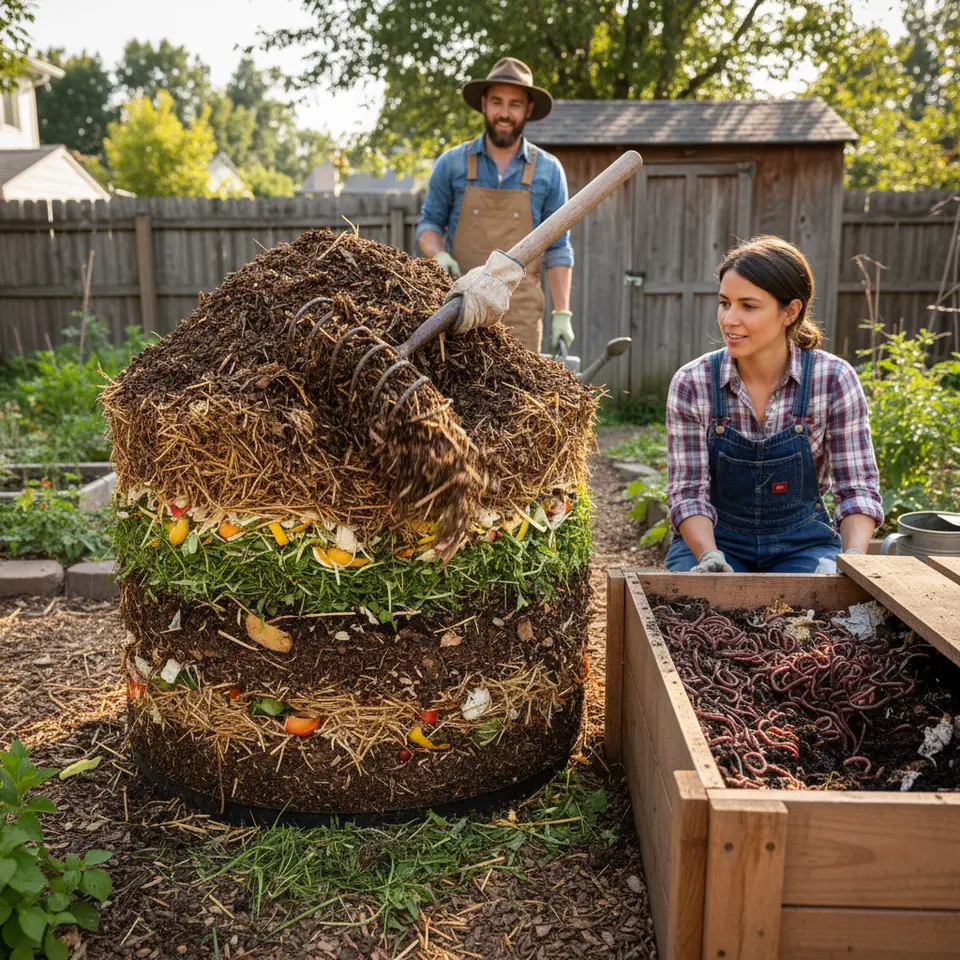
A structured planting schedule keeps your garden active and productive throughout the year. By aligning sowing and transplant dates with local frost patterns and temperature trends, you can optimize germination, growth, and harvest times. Below is a general framework to adapt for your climate zone in this year (2026).
Spring
As soil temperatures rise above 45°F, start indoor sowing for long-season crops. Aim to begin seeds 6 to 8 weeks before your average last frost date. Harden off seedlings gradually by exposing them to cooler outdoor conditions for increasing periods. Once the ground is workable, direct sow hardy greens such as spinach, arugula, and kale. Sow peas early, pressing seeds into moist soil roughly an inch deep. Interplant fast-maturing radishes among larger seedlings to enjoy quick harvests.
Summer
With warmer nights and longer days, warm-season vegetables thrive. Transplant tomatoes, eggplants, and peppers only after the danger of frost has fully passed. Apply a 2–3 inch layer of organic mulch around each transplant to regulate soil moisture and temperature. Sow quick-turn herbs like basil and cilantro in partial shade if afternoon heat becomes intense. Continue succession sowing of beans and cucumbers every two to three weeks to prolong yield.
Fall
As daylight begins to wane, switch to cool-season crops. Pull spent summer plants and enrich the soil with compost or a light application of balanced organic fertilizer. Plant broccoli, cabbage, and Brussels sprouts in early fall so they can mature before the first hard freeze. Sow leafy greens and root vegetables like beets, carrots, and turnips for autumn harvests. Consider cover cropping vacant beds with clover or rye to shield soil over winter.
Winter
In regions with mild winters, cold-tolerant crops such as Swiss chard and certain kale varieties continue to produce. Protect beds from frost by applying a thick layer of straw mulch or floating row covers. Utilize cold frames, cloches, or unheated greenhouses to extend the growing season. This downtime is also ideal for reviewing garden records, ordering seeds, and planning next year’s rotation.
Throughout each season, track key dates in a garden journal or digital planner. Note germination rates, pest pressures, and weather anomalies to refine your timing year after year. By crafting and adhering to a seasonal planting calendar, you’ll maximize productivity and build a resilient, adaptable home gardening ecosystem.
Conclusion
Embarking on a home gardening adventure this year (2026) offers not only the satisfaction of harvesting fresh produce and beautiful blooms but also the therapeutic joy of nurturing living systems. By carefully planning your layout, enriching soil with targeted amendments and compost, selecting plant varieties suited to your environment, and following a seasonally aligned planting calendar, you set the stage for continual growth and renewal. Investing in quality tools and establishing consistent maintenance routines ensures that tasks remain manageable and that your garden stays healthy and productive.
As you implement these strategies, remember to adapt to the unique conditions of your space. Keeping detailed records, observing plant behavior, and staying informed through authoritative resources will guide your decisions and encourage ongoing improvement. Whether you’re a novice gardener or have decades of experience, the principles outlined here can help you refine your approach and achieve reliable results.
Today, home gardening is more than a hobby; it’s a sustainable practice that connects us to the food we eat and the environment we live in. Embrace the process, learn from each season, and share your successes with fellow gardeners. Here’s to a vibrant, flourishing garden that brings nourishment, beauty, and joy to your life in today’s digital landscape and beyond.
Frequently Asked Questions
1. What are the best gardening tips for beginners starting a school garden?
The most effective gardening tips for beginners include starting small with container gardens, choosing native or fast-growing plants like radishes and lettuce, and ensuring the garden is placed in an area with adequate sunlight and accessible water.
2. How does gardening improve a student’s focus?
Gardening requires a combination of physical activity, observation, and patience. The natural environment promotes “soft fascination,” which allows the brain to rest from the directed attention required in standard classrooms, ultimately restoring a student’s ability to focus.
3. Can gardening tips be integrated into math classes?
Absolutely. You can use gardening tips to teach area and perimeter when designing garden beds. Students can also measure plant growth over time, chart harvest weights, and calculate water volume, turning abstract math into real-world applications.
4. What are the best plants for a sensory garden?
For an educational sensory garden, focus on gardening tips that recommend safe, highly textured, and aromatic plants. Lavender and mint are excellent for smell, lamb’s ear for touch, and brightly colored marigolds for visual stimulation.
5. How do we manage the school garden during summer vacation?
Effective summer management relies on utilizing gardening tips for off-season care. You can plant drought-tolerant cover crops, install automated drip irrigation timers, and organize a summer rotation of parent and student volunteers to maintain the space.
6. Are there specific gardening tips to help students with anxiety?
Yes. Assigning repetitive, rhythmic tasks like weeding or watering can be deeply soothing. Incorporating gardening tips that focus on creating quiet, enclosed green spaces allows students with anxiety to decompress and ground themselves.
7. How much space is required to start an educational garden?
You do not need a large plot of land. Many successful programs utilize gardening tips tailored for small spaces, using window boxes, vertical wall planters, or a single raised bed to teach the exact same concepts as a full farm.
8. What is the most common mistake schools make with new gardens?
The most common mistake is taking on too much too soon, leading to overgrown beds and teacher burnout. Following basic gardening tips to scale the project slowly ensures sustainability and long-term success.
9. How do gardening tips support environmental science curriculums?
Gardening tips provide a practical framework for teaching environmental science. Students learn about soil health, water conservation, the carbon cycle, and pollinator ecosystems by actively managing a living, breathing micro-environment.
10. Can indoor classrooms benefit from these gardening tips?
Definitely. If outdoor space is unavailable, indoor gardening tips focusing on hydroponics, grow lights, and resilient houseplants (like pothos or snake plants) can still provide the mental health and educational benefits of nature connectivity.
