
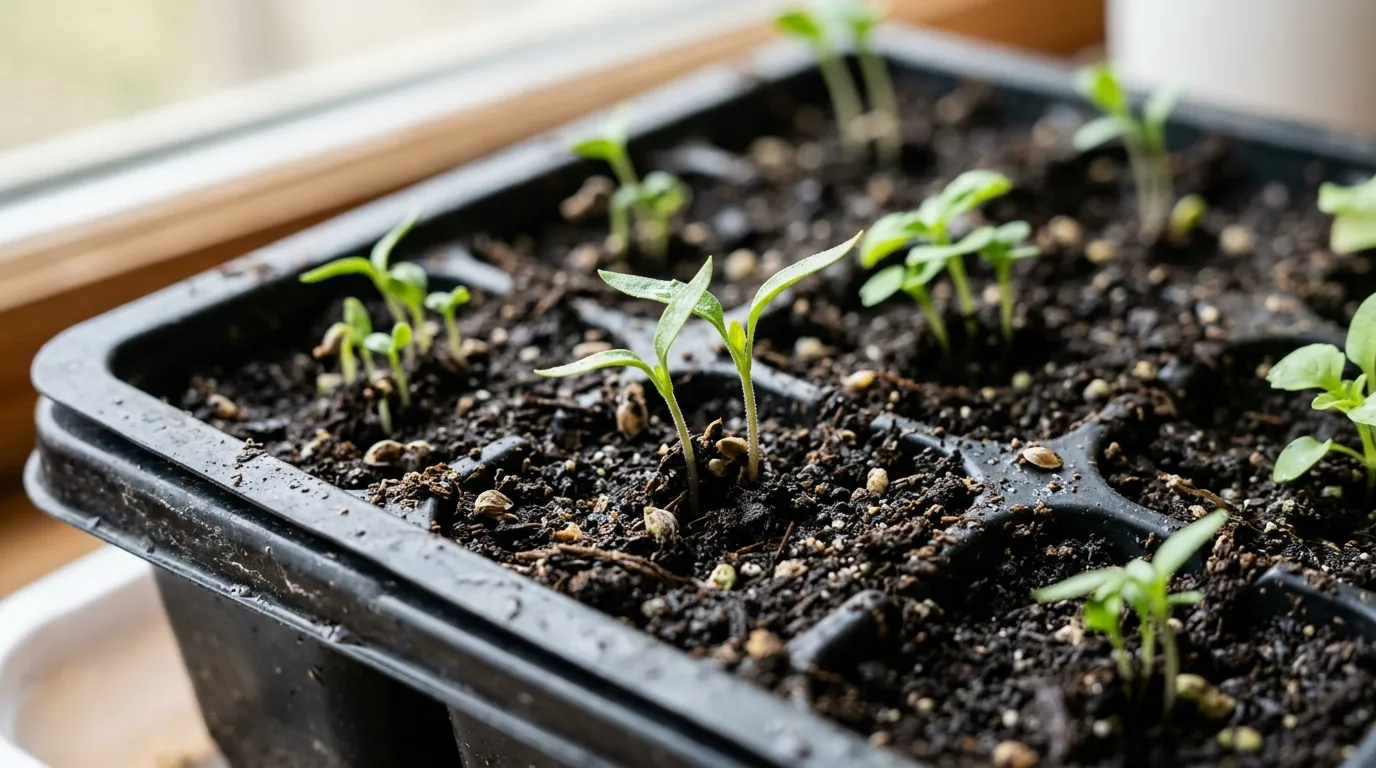
Welcome to the ultimate guide on seed starting soil, a foundational element that brings calm, focused success to your gardening and horticultural education journey.
This comprehensive manual provides everything you need to cultivate healthy seedlings. You will learn the science of germination, explore custom DIY recipes, understand sterilization techniques, and discover expert troubleshooting methods to ensure your plants thrive from the very beginning.
The Essential Science Behind Seed Germination

When embarking on a new agricultural or gardening journey, the medium you choose dictates the trajectory of your plant’s life. A high-quality seed starting soil is distinct from standard garden dirt or generic potting mixes. It is specifically formulated to be lightweight, porous, and completely sterile. This specific texture ensures that delicate new roots can push through the medium without resistance, while the sterile nature protects vulnerable sprouts from pathogens like damping-off disease.
Understanding the underlying science of germination helps growers appreciate why the growing medium is so critical. Seeds contain all the genetic information and initial energy required to sprout. They do not need heavy fertilizers or dense organic matter in the beginning. What they require is a delicate balance of moisture, oxygen, and optimal temperature. When you provide a highly aerated medium, you are essentially mimicking the perfect natural conditions for a seed to wake up from dormancy.
Airflow is just as crucial as water. The roots need oxygen to perform cellular respiration. If the medium is too dense, the roots suffocate, leading to stunted growth or immediate death. By utilizing a mix tailored for seeds, you facilitate superior gas exchange. This principle of calm, focused environmental control is paramount for achieving maximum yield, whether you are managing a small indoor setup or a large-scale agricultural operation.
Why Garden Dirt Fails Delicate Seedlings
Many novice growers make the critical error of scooping dirt straight from their backyard. Outdoor dirt often contains weed seeds, fungal spores, and heavy clay that easily compacts. In contrast, specialized seed starting soil retains just enough moisture to trigger germination but drains rapidly enough to prevent rot. Understanding this balance is the first step toward horticultural success.
The Threat of Compaction
Garden soil is structurally designed to support massive root systems of mature trees and established shrubs. When placed into small plastic cells or pots, this soil undergoes severe compaction. The lack of natural earthworms and deep-rooted plants to aerate the soil means it quickly turns into a solid brick when watered. A delicate sprout simply does not possess the kinetic energy to push through a brick of compacted clay.
The Pathogen Problem
Natural soil is teeming with microscopic life. While much of this is beneficial for mature plants, it is a warzone for a vulnerable seed. Spores of fungi that cause damping-off disease lay dormant in natural dirt. When introduced to the warm, wet environment of an indoor germination station, these fungi explode in population, quickly attacking and killing the fragile stems of new seedlings.
Core Ingredients of High-Quality Mixes

Creating or purchasing a superior medium means understanding its individual components. Each ingredient plays a vital role in moisture retention, drainage, and structural integrity. The best seed starting soil relies on a careful ratio of specific raw materials.
Sphagnum Peat Moss
For decades, peat moss has been the agricultural industry standard. It boasts incredible water-holding capacity and an acidic pH that naturally helps prevent fungal growth. It is lightweight and provides excellent aeration. However, due to environmental concerns regarding the depletion of peat bogs, many forward-thinking growers are seeking sustainable alternatives. If you choose to use peat, it must be moistened thoroughly with warm water before use, as it is naturally hydrophobic when completely dry.
Coconut Coir
Coconut coir is the modern, eco-friendly alternative to peat moss. Made from the fibrous husks of coconuts, coir offers exceptional water retention and has a naturally neutral pH. It is widely available in compressed bricks that expand dramatically when soaked in water. Using coir provides a sustainable, fluffy base that encourages rapid root expansion and excellent structural support.
Perlite
Perlite is a type of naturally occurring volcanic glass that expands when heated, resembling small white foam balls. Its primary function is to improve drainage and prevent compaction. Perlite creates tiny air pockets within the mix, ensuring that water flows through efficiently and roots receive ample oxygen.
Vermiculite
While perlite is primarily used for drainage, vermiculite is utilized to hold moisture and nutrients. It is a micaceous mineral that expands under intense heat into flaky, sponge-like granules. Vermiculite acts exactly like a sponge, absorbing water and slowly releasing it back to the roots as the surrounding medium dries out over time.
Comparing Growing Medium Bases
To help you make an informed decision for your garden, here is a detailed breakdown of the two most popular base materials used in propagation.
|
Feature |
Sphagnum Peat Moss |
Coconut Coir |
|---|---|---|
|
Sustainability |
Low (harvested from slow-growing bogs) |
High (byproduct of coconut harvest) |
|
pH Level |
Acidic (3.5 to 4.5) |
Neutral (5.5 to 6.8) |
|
Water Retention |
Excellent |
Excellent |
|
Wettability |
Difficult when completely dry |
Easily absorbs water even when dry |
|
Compaction Risk |
Tends to compact over time |
Resists compaction well |
Creating Your Own DIY Recipe
Making your own mixture is incredibly cost-effective and gives you total control over the growing environment. Here is a highly effective, data-driven recipe that guarantees results and helps you master your seed starting soil production.
The Standard Fluffy Mix Recipe
- 4 parts Coconut Coir (or Peat Moss)
- 1 part Perlite
- 1 part Vermiculite
Step-by-Step Mixing Instructions
- Hydrate the Base: If using a compressed block of coconut coir, place it in a large tub and add warm water. Wait for it to expand and break it apart with your hands. The texture should be damp like a wrung-out sponge, not soaking wet.
- Add Aeration: Slowly fold in the perlite. Wear a protective mask during this step to avoid inhaling the fine perlite dust, which can irritate your lungs.
- Add Moisture Retention: Incorporate the vermiculite, mixing thoroughly until the white and gold specks are evenly distributed throughout the brown base material.
- Test the Texture: Grab a handful of the seed starting soil and squeeze it. It should hold its shape momentarily before crumbling easily when poked. If water streams out, it is too wet. If it falls apart instantly, it is too dry.
You can learn more about ingredient sourcing and certification from the Organic Materials Review Institute, an authoritative body on organic gardening supplies.
The Importance of Sterilization
One of the most overlooked aspects of preparation is sterilization. Even if you purchase sealed bags from the store, they can occasionally harbor fungus gnat eggs or harmful pathogens. Sterilizing your seed starting soil ensures a pristine, safe environment for your educational and horticultural projects.
The Baking Method
Place your moist mix in an oven-safe baking pan and cover it tightly with aluminum foil. Bake it at 180 to 200 degrees Fahrenheit for approximately 30 minutes. Use a standard meat thermometer to ensure the center of the mix reaches at least 180 degrees. Allow the material to cool completely before attempting to plant any seeds.
The Boiling Water Technique
Place your mix in a large, heat-resistant bucket. Pour boiling water evenly over the top, cover the container with a tight lid, and let it sit until it has cooled to room temperature. This is highly effective for killing off unwanted pests without needing to utilize your kitchen oven.
Environmental Control and Care
Achieving a flawless germination rate requires meticulous attention to environmental details. The physical medium is only one half of the equation; the atmospheric conditions make up the rest. Mastering these elements ties directly into successful indoor plant care, ensuring your seedlings transition seamlessly into mature houseplants or garden vegetables.
Light Requirements
Once seeds breach the surface of your seed starting soil, they immediately require intense, direct light. Keep artificial grow lights just two to three inches above the foliage to prevent the seedlings from growing excessively tall and leggy. If relying on a windowsill, ensure it is south-facing, though artificial lighting generally produces vastly superior, sturdier plants.
Heat Mats and Temperature
Most seeds prefer a warm, cozy environment to wake up. Use a seedling heat mat placed directly underneath your trays to maintain a consistent root zone temperature of 70 to 80 degrees Fahrenheit. This specific temperature range signals to the dormant seed that spring has arrived, prompting rapid and uniform germination across the entire tray.
Watering Strategies for Success
Watering is where many beginners struggle. The physical properties of your seed starting soil heavily influence how you should approach hydration.
Bottom Watering Benefits
Never water from the top using a heavy stream or a large watering can, as this physical force disturbs delicate seeds and compacts the carefully aerated mix. Instead, pour water into the solid bottom tray and let the mix wick the moisture upward through capillary action. This ensures perfectly even moisture distribution without damaging the structural integrity of the surface layer.
Transitioning to Larger Containers
Your plants will eventually outgrow their initial small cells. When they develop their second set of leaves, known as true leaves, it is time for a transition. At this stage, the sterile seed starting soil has done its job perfectly, providing the safe haven required for early life. You must now move the plant into a richer, more robust potting mix that contains necessary nutrients.
Gently squeeze the sides of the cell tray to loosen the root ball. Lift the seedling by its leaves, never by the delicate stem, and place it into a larger pot filled with a nutrient-rich blend. This transition period is an excellent time to read up on composting basics to learn how to feed your growing plants naturally with organic matter that you produce at home.
Pro Tips for Germination Success
- Pre-moisten your mix: Always wet your seed starting soil before filling your trays. Trying to water dry peat or coir inside a small cell is incredibly frustrating and leads to dry pockets where seeds will die.
- Label everything immediately: Seedlings look identical for the first few weeks of their lives. Use waterproof markers and plastic tags to ensure you know exactly what is growing in each cell.
- Maintain humidity: Use a clear plastic dome over your trays to trap moisture until the seeds sprout. Remove the dome immediately once you see green shoots to prevent fungal growth.
Common Mistakes to Avoid
Even seasoned gardeners stumble occasionally. Avoiding these well-documented pitfalls will save you immense time, money, and frustration.
- Using Heavy Compost Too Early: While compost is phenomenal for mature, established plants, it is simply too heavy and nutrient-dense for a germination phase. Wait until you transplant the seedlings before introducing heavy compost.
- Chronic Overwatering: The absolute quickest way to kill a seedling is drowning it. If the mix looks perpetually soggy and green algae begins to form on the surface, you are watering entirely too frequently. Allow the top layer to dry slightly between watering sessions.
- Ignoring Airflow: Stagnant, humid air invites fungal diseases. Place a small oscillating fan near your propagation trays to provide a gentle, continuous breeze. This prevents damping-off and forces the young stems to grow thicker and stronger in response to the wind resistance.
Advanced Techniques: Soil Blocking

For those looking to eliminate single-use plastic waste from their gardening routines, soil blocking is an innovative, highly effective technique. It involves using a special metal tool to compress heavily moistened mix into free-standing, individual cubes. The roots grow safely to the edge of the block and are naturally “air-pruned” when they hit the open air. This prevents root-bound plants and virtually eliminates transplant shock.
For a successful soil block, your mixture must be considerably wetter than standard tray mixes and usually requires a binding agent. Mixing a small amount of sifted garden soil intimately with your seed starting soil helps hold the strict structural shape required for the blocks to stand independently on a flat tray.
Troubleshooting Pest and Disease Issues
Sometimes, despite your best efforts and pristine environment, issues arise. Quick identification and resolution are vital for saving your crop.
If your seedlings suddenly flop over and die at the base of the stem, damping-off is the culprit. This is a fungal issue caused by excessive moisture and poor airflow. To combat this, ensure your mix drains perfectly well and sprinkle a fine layer of cinnamon on the surface to absorb excess moisture and utilize cinnamon’s natural antifungal properties.
Tiny black flies darting around your trays are fungus gnats. They lay eggs in moist organic matter, and their larvae feed voraciously on young plant roots. To eliminate them, let the top inch of the medium dry out completely. You can also utilize yellow sticky traps to catch the adult gnats before they have a chance to lay more eggs.
The Lifelong Journey of Plant Cultivation
The process of planting seeds and watching them emerge requires calm, focus, and incredible patience. It transforms education in horticulture from a dry, theoretical exercise into a highly hands-on, rewarding experience. By mastering the formulation and application of your growing medium, you set the stage for a bountiful, exciting harvest.
From understanding the porosity of perlite to recognizing the sustainability of coconut coir, every single detail matters in the quest for perfection. As you continue to refine your methods, consider keeping a detailed garden journal to track germination times, ambient temperatures, and watering schedules. You will quickly discover the precise rhythms that work best for your specific indoor environment. Expanding your overall knowledge into related areas, such as mastering seed saving techniques, will complete the agricultural cycle, allowing you to grow sustainable, generation-spanning gardens completely independent of commercial seed companies.
Always remember that gardening success starts deep at the root. Investing dedicated time into preparing the best possible environment guarantees that your plants will reward you with vigorous growth, strong immune systems, and abundant yields throughout the growing season. By utilizing resources like the Michigan State University Extension, you can further expand your understanding of agricultural science and soil dynamics.
The perfect seed starting soil provides the absolute critical foundation for young plants, offering optimal drainage, essential aeration, and strict protection from disease. By applying the proper sterilization techniques, advanced watering methods, and perfect ingredient ratios outlined in this comprehensive guide, you guarantee a thriving, resilient garden right from the very first sprout.
1. What is the main difference between potting mix and seed starting soil?
A potting mix is typically much heavier, contains rich compost or active fertilizers, and is designed to feed and support mature, established plants. A starting medium is strictly sterile, highly lightweight, and fertilizer-free, designed specifically to aid delicate germination and early root development without burning the plant.
2. Can I safely use dirt straight from my outdoor garden?
No. Garden dirt is often entirely too heavy, leading to rapid compaction inside small pots. It also contains dormant weed seeds, harmful pests, and aggressive fungal spores that can easily kill vulnerable new sprouts before they have a chance to grow.
3. Does my freshly mixed medium need added fertilizer?
No, it absolutely does not. Seeds naturally contain all the vital nutrients they need within their own endosperm to successfully germinate and produce their very first set of leaves. Introducing liquid or granular fertilizer too early can easily burn the delicate new roots.
4. How long should my young seedlings stay in this sterile mix?
Seedlings should remain in the sterile environment until they fully develop their first set of “true leaves” (the second set of leaves that visually appear on the stem). After this specific point, they require external nutrients and should be carefully transplanted into a richer potting mix.
5. Why is my peat-based mix actively repelling water?
If you are using a peat moss-based mixture and allow it to dry out completely, it becomes highly hydrophobic and aggressively repels water. To fix this common issue, use warm water and work it in thoroughly with your hands until the moisture is evenly absorbed throughout the batch.
6. How do I effectively prevent mold from growing on the surface?
Mold rapidly grows in stagnant, overly wet, and humid conditions. Prevent it by always bottom-watering your propagation trays, allowing the top surface layer to dry out slightly between waterings, and using a small oscillating fan to keep air constantly circulating over the plant canopy.
7. Is modern coconut coir truly better than traditional peat moss?
Many progressive gardeners strongly prefer coconut coir because it is a highly sustainable, rapidly renewable resource with a naturally neutral pH. It also absorbs water much more easily than peat moss, making it generally easier and far less frustrating to work with for beginners.
8. Exactly how wet should the medium be before I start planting?
The mixed medium should consistently feel like a well-wrung-out sponge. It should be evenly moist to the touch and firmly hold its shape when squeezed in your fist, but it should absolutely not drip heavy streams of water.
9. Can I safely reuse my leftover mix from last year?
It is strongly not recommended to reuse an old, dormant mix for new seeds, as it may have accumulated harmful pathogens or lost its highly critical fluffy structure over the winter. Always start fresh for the germination phase, and toss old mixes directly into your outdoor compost bin.
10. Do I absolutely need to purchase and use a heat mat?
While not strictly necessary for every single type of plant, a heat mat significantly speeds up the overall germination process, especially for heat-loving summer crops like tomatoes, eggplants, and peppers. It actively warms the crucial root zone to the ideal temperature required for rapid sprouting.
Providing the right seed starting soil establishes an unparalleled foundation for your plants to achieve their highest potential. By embracing these proven methodologies, you bridge the gap between amateur gardening and professional cultivation.
Take action today by mixing your own custom batch, setting up your propagation station, and watching your seeds transform into a vibrant, healthy garden. Share this invaluable knowledge with your community to foster a greener, more sustainable world!
