

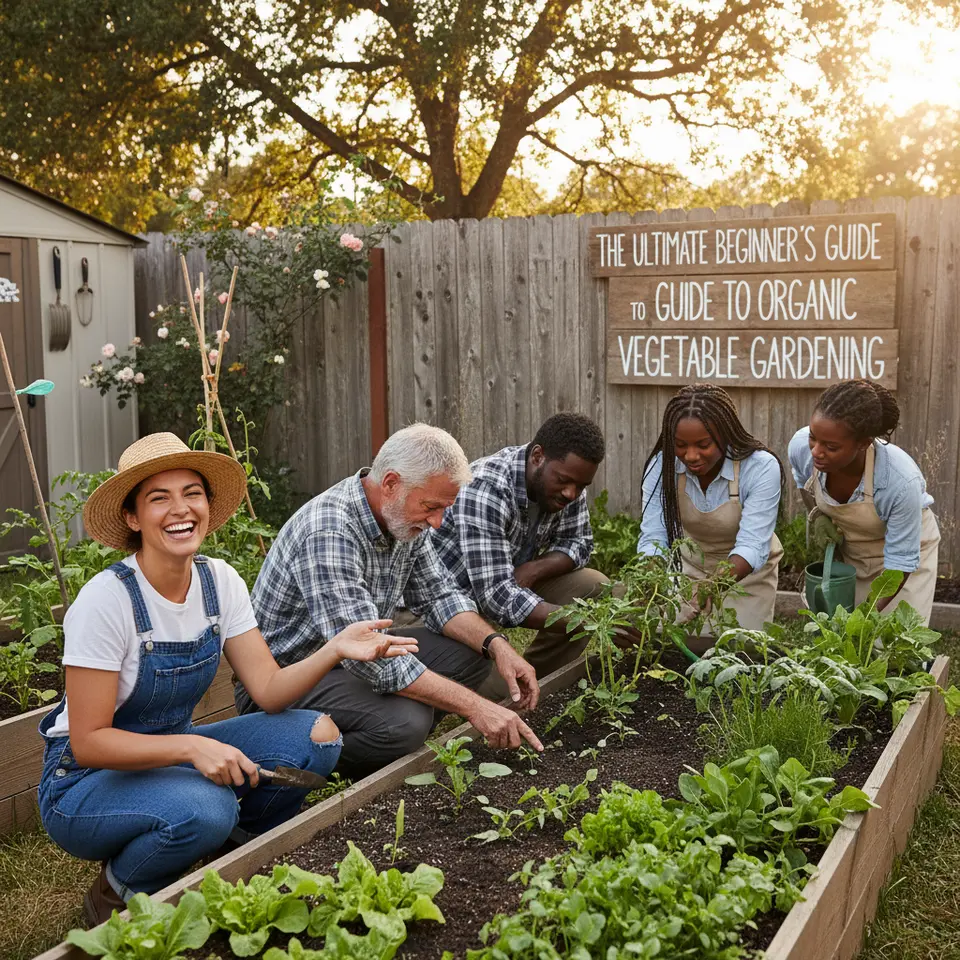
Discover how organic vegetable gardening cultivates more than just plants, offering a unique pathway to transforming education through improved student calm, focus, and environmental awareness.
This comprehensive guide explores the intersection of agriculture and mindfulness in educational environments. You will learn actionable strategies for integrating nature into curriculums, overcoming cultivation challenges, and maximizing the cognitive benefits of outdoor learning to foster student calm, focus, and growth.
Planning Your Organic Vegetable Garden
Before you place the first seed or transplant, developing a thorough plan is essential for a thriving organic vegetable garden. Start by assessing your available space—measure your backyard plot, balcony, or container area. Consider sunlight patterns throughout the day; most vegetables need a minimum of six hours of direct sun, ideally in morning and early afternoon. Note any shade cast by structures or trees and factor that into your design.
Next, define what you hope to harvest and consume. Do you crave tomatoes, peppers, and cucumbers for salads? Or are you aiming for heartier root vegetables like carrots and beets? Listing your favorite produce will help you allocate space and decide on planting times. This targeted approach minimizes waste and maximizes enjoyment of your organic vegetable garden.
Drafting a Layout
Create a simple scale drawing to visualize bed placement, walkways, and irrigation lines. Raised beds, in-ground rows, or container arrangements each have unique advantages. Raised beds warm more quickly in spring and offer improved drainage, while in-ground beds maintain natural soil biodiversity. Containers, on the other hand, give flexibility and portability, making them an excellent choice for balconies or rental units.
Crop Rotation and Succession Planting
Implementing crop rotation is a cornerstone of organic practice. By grouping plants into families—such as Brassicaceae (cabbage, broccoli), Solanaceae (tomatoes, peppers), and Fabaceae (beans, peas)—you can shift these groups each season to prevent nutrient depletion and disease buildup. Succession planting further extends your harvest window: as one crop finishes, another can take its place, ensuring steady yields throughout the season.
Gathering Resources and Setting Goals
Compile a list of necessary materials, including quality garden soil, compost, organic seeds, seedlings, and basic tools like trowels, pruners, and watering equipment. For seed varieties, refer to reputable sources such as the Penn State Extension or the National Institute of Food and Agriculture (NIFA). Note planting dates aligned with your USDA hardiness zone and last frost date.
Finally, establish short-term and long-term objectives. Short-term tasks include completing soil tests and ordering seeds. Long-term goals could involve expanding bed count, transitioning to full organic certification, or experimenting with permaculture principles. With a detailed plan in hand, you can confidently transition from concept to cultivation in your organic vegetable garden.
Selecting the Ideal Location

Identifying the perfect spot for an organic vegetable garden is a pivotal decision that influences plant vigor and yield. Vegetables typically thrive in full sun—meaning at least six hours of direct sunlight daily—so start by observing your property’s light patterns. Use a simple notebook or smartphone app to track sun exposure from dawn until dusk, marking areas that receive morning sun versus afternoon light.
Sunlight and Shade Analysis
Morning sun is often cooler and gentler, helping to dry dew on leaves and reduce fungal disease risk. Afternoon sun provides warmth that boosts photosynthesis but can stress plants during heat waves. Look for a balance: areas that capture early light and gentle afternoon rays are ideal. Avoid spots beneath dense tree canopies or next to large buildings that cast prolonged shadows.
Soil Drainage and Quality
Well-drained soil is essential for healthy root development. Waterlogged ground can suffocate roots and encourage root rot pathogens. After a rainfall, check for standing water or sogginess. If drainage is poor, consider raising beds or integrating soil amendments. Adding organic matter such as compost enhances water retention in sandy soils and improves structure in clay-heavy ground.
Accessibility and Water Access
Convenience is often overlooked but can make or break garden success. Position beds within easy reach of a water source to simplify irrigation—frequent, consistent watering is a pillar of organic gardening. Proximity to tool storage and the kitchen door streamlines harvesting and maintenance, encouraging regular visits and prompt care.
Container Gardens and Rooftop Options
For those with limited ground space or poor soil conditions, containers and raised planters offer flexibility. Use high-quality potting mixes formulated for vegetables, and ensure each container has adequate drainage holes. Group containers on a sturdy surface that receives ample light. Rooftop gardens or vertical systems can also provide productive alternatives for apartment dwellers, leveraging sunny walls and railings.
Wind and Microclimate Considerations
Strong winds can damage delicate seedlings and increase evaporation rates, stressing plants. Survey your plot for prevailing breezes, especially in open fields or rooftops. You can incorporate windbreaks such as hedges, trellises, or temporary fencing to shield vulnerable crops. Microclimates may exist close to walls that radiate heat or in sheltered corners where frost lingers; understanding these subtle variations allows tailored plant placement, optimizing growth and reducing stress on your organic vegetable garden.
By carefully evaluating sunlight patterns, soil drainage, and accessibility, you can select a site that nurtures strong growth without excessive effort. The right location sets the foundation for every succeeding step in creating an organic vegetable garden that will flourish this year (2026).
Preparing and Enriching Your Soil
Rich, fertile soil is the cornerstone of a successful organic vegetable garden. Without proper preparation, plants struggle to access nutrients and moisture, leading to stunted growth and decreased yields. This step focuses on testing, amending, and nurturing your soil ecosystem to support robust development.
Soil Testing
Begin by collecting samples from multiple spots within your planting area, mixing them in a clean container. Use a home soil test kit or send samples to a university extension service for detailed analysis. Understanding your soil’s pH, nutrient levels, and organic matter percentage is essential. Most vegetables prefer a slightly acidic to neutral pH of 6.0 to 7.0—adjustments may be needed to reach this range.
Amending Soil Structure
Soil texture—sand, silt, and clay—determines water retention and root penetration. Sandy soils drain quickly but require frequent watering and nutrient replenishment. Clay soils hold moisture yet can become compacted. To improve structure, blend in coarse sand or perlite for clay-rich areas and add organic materials to sandy plots. Regularly turning the soil breaks up compaction, but avoid over-tilling, which can damage beneficial organisms.
Organic Matter and Compost
Incorporating generous amounts of organic matter enhances both soil fertility and microbial diversity. Well-aged compost supplies slow-release nutrients, improves aeration, and retains moisture. Spread a three- to four-inch layer of finished compost over beds and gently work it into the top eight inches. Kitchen scraps, leaves, grass clippings, and aged manure are excellent compost inputs. For detailed guidelines on composting, consult the EPA’s home composting guide.
pH Adjustment and Nutrient Balance
If your soil test indicates acidity below 6.0, add agricultural lime or wood ash to raise pH. For alkaline soils, elemental sulfur or peat moss can lower pH. Always follow product instructions and re-test after a few weeks. Nutrient deficiencies—such as low phosphorus or potassium—can be corrected with rock phosphate, bone meal, or kelp meal. Balanced inputs support healthy cell formation, flowering, and fruiting.
Mulching and Cover Crops
After planting, apply organic mulch like straw, wood chips, or shredded leaves to conserve moisture, suppress weeds, and moderate temperature fluctuations. In off-seasons or between rows, plant cover crops such as clover or rye to protect and enrich soil. These green manures fix nitrogen, prevent erosion, and enhance organic matter when tilled back under. By investing time in soil preparation, you lay the groundwork for a productive organic vegetable garden that thrives throughout the season.
Choosing and Planting Vegetables
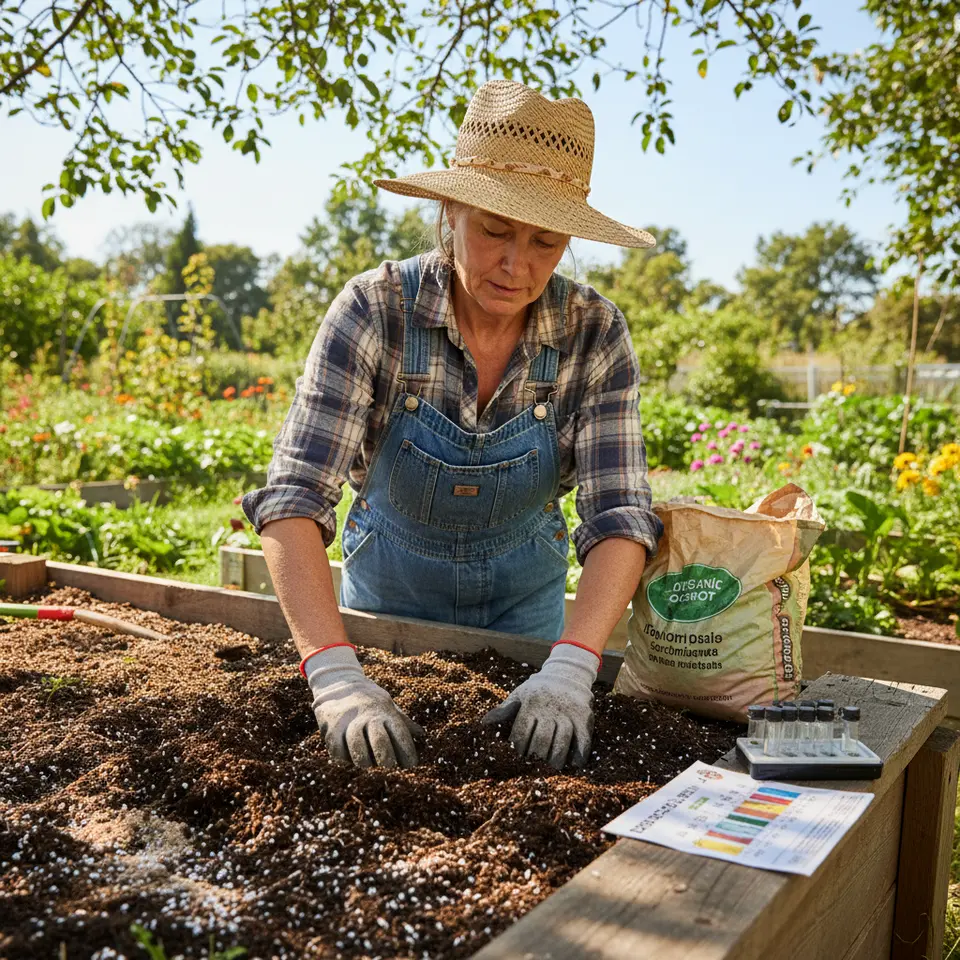
Selecting the right crops and planting them correctly sets the stage for abundant harvests in your organic vegetable garden. By choosing varieties that suit your climate and season, paying attention to spacing, and following proper planting techniques, you give each plant the best chance to flourish.
Cool-Season vs. Warm-Season Crops
Cool-season vegetables—such as lettuce, spinach, kale, radishes, and peas—grow best when soil temperatures are between 45°F and 65°F, making them ideal for early spring or fall planting. Warm-season crops like tomatoes, peppers, eggplants, and cucumbers demand soil temperatures above 60°F and should be introduced after the last frost. Review seed packets to confirm optimal soil and air temperatures and plan sowing dates accordingly.
Starting from Seed vs. Transplants
Direct sowing seeds into the ground works well for root crops, beans, and peas. For heat-loving or slow-maturing varieties, begin seeds indoors six to eight weeks before transplanting. Use biodegradable pots to reduce root disturbance. When seedlings develop two sets of true leaves, harden them off by gradually exposing them to outdoor conditions over a week. This acclimation minimizes shock after planting.
Effective Spacing and Depth
Correct spacing promotes air circulation and reduces competition for resources. Follow guidelines on seed packets: for example, space carrots about two inches apart in rows 12 inches wide, and position tomato transplants 24 to 36 inches apart. Plant seeds at a depth roughly twice their diameter, while transplants should be set slightly deeper, burying part of the stem to encourage root development along buried nodes.
Planting Techniques for Success
Dig planting holes slightly larger than root balls, and gently tease roots if they appear root-bound. Backfill with a mix of native soil and compost, firming lightly to eliminate air pockets. Water immediately to settle soil around roots and reduce transplant shock. Apply a thin layer of mulch around the base to retain moisture and prevent weed encroachment.
Companion Planting and Biodiversity
Enhance growth and pest resistance by interspersing compatible plants. Marigolds deter nematodes, while basil repels flies and mosquitoes near tomato beds. Legumes like beans and peas fix atmospheric nitrogen, improving soil fertility for neighboring leafy greens. Diversifying plantings promotes a balanced ecosystem in your organic vegetable garden and reduces reliance on external inputs.
By thinking strategically about variety selection and mastering planting methods, you’re laying the groundwork for a bountiful growing season. Each decision—from seed choice to final mulch layer—contributes to the overall health and productivity of your plot in this year (2026).
Maintaining Your Garden: Water, Nutrition, and Pest Control

After planting, dedicated care ensures that your seedlings grow into vigorous, productive vegetables. This phase covers essential practices—efficient watering, balanced nutrition, and eco-friendly pest management—to safeguard plant health and optimize yields.
Effective Watering Strategies
Vegetables generally require about one to one and a half inches of water per week, depending on weather and soil type. Water early in the day to minimize evaporation and reduce disease risk caused by wet foliage overnight. Drip irrigation and soaker hoses deliver targeted moisture directly to root zones, conserving water and preventing runoff. For container gardens, monitor soil moisture daily, as pots dry out faster than beds.
Organic Fertilization
Regular feeding supports continuous growth and fruiting. Organic fertilizers—such as compost tea, fish emulsion, and rock powders—release nutrients gradually and enhance soil biology. Apply compost tea every two to three weeks, diluting it per manufacturer instructions. Side-dress heavy feeders, like tomatoes and corn, with compost or well-aged manure mid-season to replenish nitrogen and micronutrients.
Integrated Pest Management (IPM)
Protecting plants from insects and diseases without synthetic chemicals is a central goal of an organic vegetable garden. Begin with preventative tactics: maintain clean beds, rotate crops, and remove diseased leaves promptly. Introduce beneficial insects—ladybugs, lacewings, and parasitic wasps—by planting flowers such as yarrow and dill. For minor infestations, employ mechanical removal or spray with neem oil or insecticidal soap, following label guidelines.
Weed Control and Mulching
Weeds compete fiercely for water and nutrients. Apply a two- to three-inch layer of organic mulch around plants, which suppresses weed emergence and regulates soil temperature. For stubborn weeds, hand-pulling before seed heads form prevents future generations. Solarizing empty beds with clear plastic in hot weather can also reduce weed and pathogen loads.
Monitoring and Record-Keeping
Regular garden inspections—at least once a week—allow early detection of nutrient deficiencies, moisture stress, or pest outbreaks. Keep a simple journal or spreadsheet tracking planting dates, fertilization schedules, and pest occurrences. Referring to these notes each year helps refine your approach and improve outcomes. In today’s digital landscape, garden management apps can complement traditional logs, offering reminders and data visualization.
Consistent attention to watering, biodiversity, and prevention strategies empowers your organic vegetable garden to thrive naturally. By combining these practices, you foster a resilient ecosystem that delivers fresh, nutritious produce throughout this year (2026).
Conclusion
Creating and nurturing an organic vegetable garden delivers abundant rewards beyond a fresh harvest—it deepens your connection to nature, supports sustainable living, and provides nutrient-rich food for your household. By planning strategically, enriching soil health, selecting appropriate crops, and applying environmentally friendly care, you establish a thriving ecosystem right at home. The techniques in this guide—from crop rotation to integrated pest management—reflect best practices for a successful garden in today’s world.
As the seasons progress this year (2026), monitor plant performance, adapt to weather patterns, and harness lessons from both triumphs and setbacks. Regularly consulting authoritative resources, such as university extension websites, can help you fine-tune your approach. Take pride in small victories—a cluster of peapods, vibrant lettuce leaves, or fragrant herbs—as signs of your growing expertise.
Above all, an organic vegetable garden is a living project that evolves with your care and innovation. Embrace the journey of experimentation and observation, and celebrate each moment of growth. With dedication and sustainable practices, you can look forward to plentiful, homegrown produce and the satisfaction of having cultivated it naturally. Your organic vegetable garden will not only supply delicious ingredients but also serve as a testament to sustainable living practices. Happy gardening!
Frequently Asked Questions
1. How does organic vegetable gardening improve student focus?
Engaging with nature provides “soft fascination,” which allows the brain to recover from the cognitive fatigue caused by screens and intense classroom study. This restorative effect naturally improves attention span and focus.
2. What is the best size for a beginner educational garden?
Start small. Two to three raised beds (approximately 4×8 feet each) are manageable for a single classroom and provide enough space for diverse crops without becoming overwhelming.
3. Can organic vegetable gardening be tied to math standards?
Absolutely. Students can calculate the volume of soil needed for raised beds, measure plant growth rates, chart harvest weights, and determine the geometry of seed spacing.
4. How do we manage weeds without chemical herbicides?
In an organic system, weed management relies on heavy mulching (using straw or untreated wood chips), proper plant spacing to create a leaf canopy, and consistent, mindful hand-weeding by the students.
5. What if the school soil is contaminated or poor quality?
If soil quality is a concern, utilizing raised beds filled with imported, high-quality organic topsoil and compost is the safest and most effective solution for an educational setting.
6. How do we keep the garden alive during summer break?
Create a “summer adoption” program where families, local community groups, or summer school classes take one-week shifts watering and harvesting the garden.
7. What are the best vegetables for quick student harvests?
Radishes, bush beans, spinach, baby carrots, and various types of loose-leaf lettuce mature very quickly, often ready to harvest in 30 to 50 days, which keeps students highly engaged.
8. How does this practice teach emotional regulation?
Gardening requires patience and acceptance of failure (e.g., a crop dying from unexpected frost). Guided reflection on these events helps students process disappointment calmly and try again.
9. Are there funding grants for school gardens?
Yes. Many national organizations, such as Whole Kids Foundation and various agricultural departments, offer grants specifically designed to fund school gardens and outdoor classrooms.
10. How do we control pests safely with children around?
Utilize physical barriers like row covers, encourage beneficial insects (like ladybugs), practice companion planting, and use safe, natural solutions like insecticidal soap or neem oil applied by adults.
