
Creating the best soil for vegetable gardening transforms your growing space into a productive haven, giving you incredible harvests and healthy, thriving plants every single season.
This comprehensive guide breaks down exactly what you need to know about building the ultimate soil for vegetable gardening. We cover everything from evaluating your current dirt to creating custom blends, avoiding critical mistakes, and nurturing a vibrant underground ecosystem for maximum vegetable production.
Understanding the Foundation of Your Garden

Every successful garden starts from the ground up. The dirt you plant your seeds in dictates how well they will germinate, grow, and eventually produce food. When you provide the right environment, vegetables develop deep root systems, resist disease, and yield massive harvests.
The Components of Great Soil
Good garden dirt is never just dirt. It represents a living, breathing ecosystem comprised of five main building blocks. Minerals provide the physical structure, creating sand, silt, or clay textures. Organic matter consists of broken-down plant material that feeds organisms and holds moisture. Living organisms include billions of bacteria, fungi, and earthworms that break down nutrients. Finally, water and air make up almost half of the volume in healthy ground, allowing roots to breathe and drink.
The Role of Macronutrients
Vegetables are heavy feeders. They pull massive amounts of nutrients from the ground to produce leaves, flowers, and fruit. Nitrogen powers vegetative growth, giving plants their lush green color. Phosphorus stimulates strong root development and flower blooming. Potassium strengthens plant immunity and improves the quality of the fruit. Without a proper balance of these three macronutrients, your plants will suffer from stunted growth, yellowing leaves, and poor yields.
How to Test and Evaluate Your Ground
Before adding anything to your garden, you must understand what you already have. Testing your ground prevents you from wasting money on unnecessary amendments and helps you pinpoint exactly what your vegetables need.
The Importance of Testing
Sending a sample to a local Extension Office gives you a precise breakdown of your nutrient levels and organic matter content. This scientific approach removes the guesswork. You will find out exactly how much phosphorus, potassium, and calcium you have. More importantly, a test reveals your soil pH, which dictates how well plants can absorb nutrients. Most vegetables prefer a pH between 6.5 and 6.8. If your ground is too acidic or alkaline, nutrients become locked away, effectively starving your plants even if the nutrients are present.
Simple Home Tests
If you cannot send a sample to a lab, you can perform simple tests at home. The squeeze test helps you determine your texture. Take a handful of moist dirt and squeeze it. If it holds its shape perfectly and feels sticky, you have heavy clay. If it crumbles immediately, you have sandy soil. The ideal loamy texture holds its shape but crumbles easily when poked. You can also dig a hole, fill it with water, and time how long it takes to drain to evaluate your drainage capacity.
Essential Amendments for Maximum Production
Once you know what your ground lacks, you can begin the process of improvement. Building the ideal soil for vegetable gardening requires a multi-pronged approach using high-quality natural amendments.
Harnessing the Power of Organic Matter
Adding organic matter is the single best thing you can do for your garden. High-quality compost acts as a cure-all. It loosens heavy clay, helps sandy ground retain moisture, and introduces billions of beneficial microbes. You should incorporate generous amounts of decayed plant matter into your beds every single year. You can buy bagged products, but making your own from kitchen scraps, autumn leaves, and yard waste saves money and creates a closed-loop system in your backyard.
Utilizing Natural Fertilizers
Vegetables deplete the ground rapidly. To replenish these lost nutrients, you must use a reliable organic fertilizer. Unlike synthetic chemicals that wash away and damage microbes, natural fertilizers feed the ground slowly. Blood meal provides an excellent source of nitrogen. Bone meal delivers crucial phosphorus. Kelp meal introduces trace minerals and potassium. Adding a balanced granular fertilizer every time you plant ensures your vegetables have the fuel they need for vigorous growth.
The Strategy for Elevated Growing

Many gardeners struggle with rocky, poor-draining native dirt. If your native ground makes growing difficult, you can bypass the problem entirely by building upward.
Why You Should Grow Upward
Utilizing raised beds solves a multitude of common gardening problems. Elevated frames allow you to control the exact composition of your growing medium from day one. You never have to battle heavy clay or dig through limestone rocks. They warm up faster in the spring, allowing you to plant earlier. They also drain exceptionally well, preventing waterlogged roots during heavy spring rains. Furthermore, they reduce physical strain, requiring less bending and kneeling.
Choosing the Right Materials
When constructing elevated frames, use untreated wood, cedar, or galvanized steel. Avoid chemically treated wood near food crops. Line the bottom with cardboard or newspaper to suppress weeds while allowing earthworms to migrate upward. You can also place small logs and branches at the very bottom to bulk up the volume and provide long-term carbon breakdown, a method known as hugelkultur.
Comparing Popular Soil Mix Recipes
When filling new frames or containers, you have several popular recipes to choose from. Let us look at how two of the most famous mixes compare.
|
Feature |
Mel’s Mix |
The Perfect Soil Recipe |
Bagged Garden Mix |
|---|---|---|---|
|
Composition |
1/3 Peat Moss, 1/3 Vermiculite, 1/3 Blended Compost |
50% Topsoil, 30% Compost, 20% Organic Matter |
100% Commercial Bagged Mix |
|
Drainage |
Excellent, lightweight and fluffy |
Moderate to Good, depends on topsoil quality |
Variable, can compact over time |
|
Cost |
High (Vermiculite and Peat are expensive) |
Moderate (Uses bulk local materials) |
High (Buying individual bags adds up) |
|
Longevity |
Requires heavy compost replenishment yearly |
Highly durable, holds structure well |
Breaks down quickly, needs frequent topping |
|
Best For |
Shallow boxes, square foot gardening |
Deep frames, long-term sustainability |
Small containers, quick setup |
Step-by-Step Guide to Preparing Your Beds
Preparation is everything. The work you do weeks before you plant dictates the health of your harvest months later.
Clearing and Weeding
Start by removing all existing weeds and grass. Never till aggressive perennial weeds into the dirt, as chopping their roots will simply multiply them. Remove them entirely by hand. If you are starting a brand new plot, consider smothering the grass with thick layers of cardboard topped with a thick layer of decayed matter, a technique known as sheet mulching.
Adding the Nutrients
Spread a two-inch layer of decayed matter over the entire surface of your bed. Sprinkle your granular natural fertilizer according to the package directions. Use a broadfork or a digging fork to gently loosen the ground and incorporate the amendments into the top few inches. Avoid aggressive rototilling, as it destroys the delicate underground web of fungal networks and kills earthworms.
Protecting the Surface
Never leave your ground naked and exposed to the elements. Implementing a thick layer of mulching protects the surface from baking sun, pounding rain, and drying winds. Spread straw, shredded leaves, or clean grass clippings around your plants. This protective blanket suppresses weeds, traps vital moisture, and slowly breaks down to feed the microbes below, vastly improving overall soil health.
Maximizing Microbial Life
The secret to explosive vegetable growth lies not in feeding the plant, but in feeding the microbes that feed the plant.
The Soil Food Web
A healthy garden contains a microscopic jungle. Bacteria and fungi break down tough organic matter into simple, water-soluble nutrients that plant roots can absorb. In exchange, plants release sugary exudates through their roots to feed the microbes. Fungal networks act as an extension of the plant’s root system, reaching far and wide to gather water and minerals.
Encouraging Earthworms
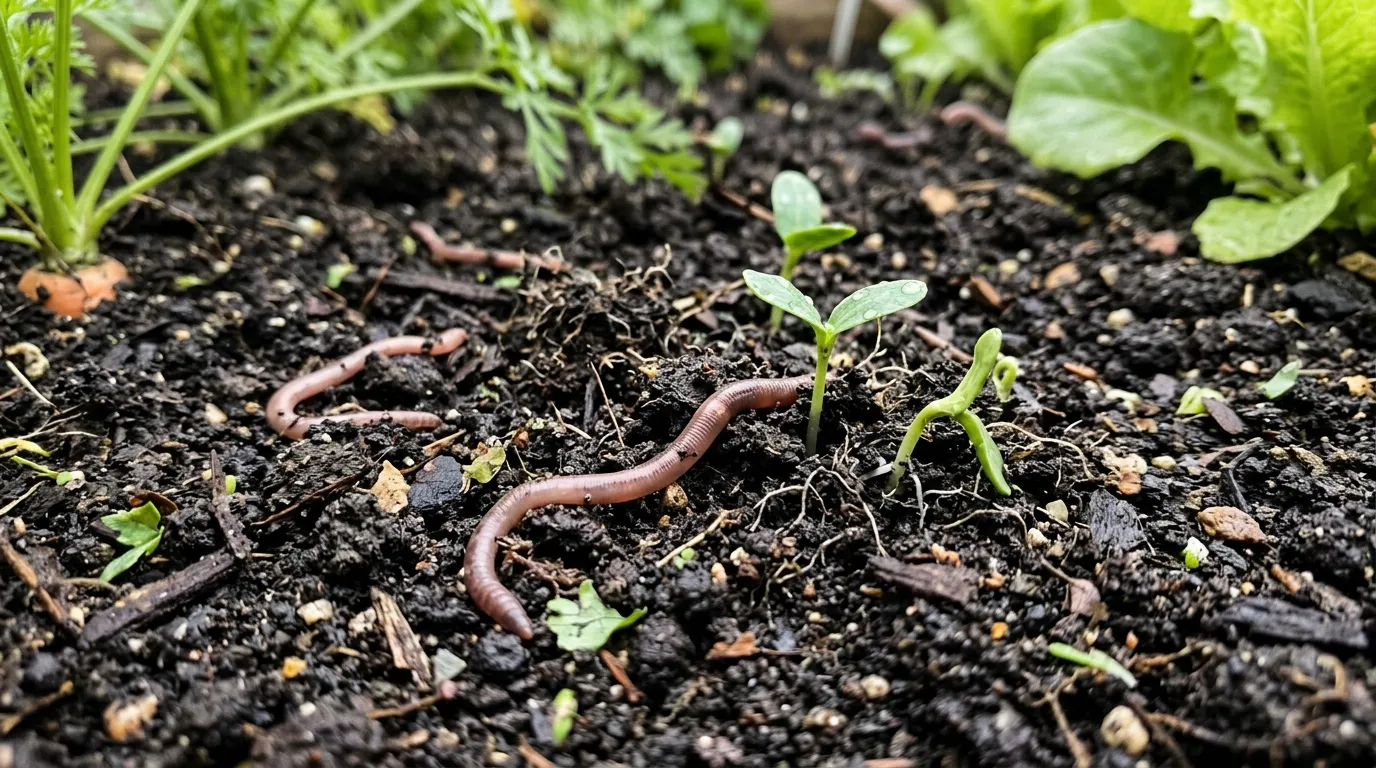
Earthworms are the ultimate garden helpers. They tunnel through the dirt, creating channels for air and water. They consume decaying matter and excrete castings that are richer in nutrients than the surrounding dirt. To attract earthworms, keep your beds moist, add plenty of leafy green compost, and avoid using synthetic chemical fertilizers or pesticides that harm them.
Expert Tips for Long-Term Success
Growing vegetables is a marathon, not a sprint. Follow these expert guidelines to ensure your garden remains productive year after year.
- Rotate Your Crops: Never plant the same family of vegetables in the same spot two years in a row. Crop rotation prevents the depletion of specific nutrients and breaks the life cycle of overwintering pests and diseases.
- Grow Cover Crops: When a bed sits empty in the fall, plant a cover crop like winter rye, clover, or vetch. These plants protect the surface from erosion, fix nitrogen from the air, and add massive amounts of organic matter when you chop them down in the spring.
- Keep it Aerated: Roots need oxygen to survive. Avoid stepping on your growing beds, as foot traffic causes severe compaction. Create dedicated walking paths and reach into the beds to harvest and weed.
- Use Worm Castings: If you want a massive boost of immediate nutrition, sprinkle a handful of worm castings directly into the planting hole when transplanting seedlings.
Common Mistakes to Avoid
Even experienced growers make mistakes. Avoid these common pitfalls to keep your vegetable garden thriving.
- Working Wet Dirt: Never dig, fork, or till your beds immediately after a heavy rain. Working wet dirt destroys its structure, turning it into dense, brick-like clods that restrict root growth.
- Using Peat Moss Excessively: While peat moss lightens mixes, it is highly acidic and lacks nutrients. Furthermore, harvesting peat releases massive amounts of carbon into the atmosphere. Use sustainable alternatives like coconut coir or composted leaf mold instead.
- Skipping the Mulch: Leaving the ground bare invites a host of problems. Weeds will take over rapidly, the sun will evaporate your water, and heavy rain will wash away your topsoil. Always cover the surface.
- Ignoring pH Levels: You can add hundreds of dollars worth of premium fertilizer to your beds, but if your pH is highly alkaline or highly acidic, your plants will slowly starve to death. Test your levels and amend with lime to raise pH or elemental sulfur to lower it.
- Using Fresh Manure: Never put fresh chicken, horse, or cow manure directly onto your vegetable beds. It contains high levels of ammonia that will severely burn your plants and may contain dangerous pathogens. Always age it for at least six months first.
Seasonal Maintenance Routines

Maintaining the best soil for vegetable gardening requires year-round attention. Each season brings new tasks.
Spring Preparations
In early spring, pull back the winter protective covering to allow the sun to warm the dark ground. Perform your yearly testing. Top dress your beds with fresh decayed organic matter and gently fork in your chosen natural fertilizers. Allow the beds to rest for at least a week before planting your early cool-season crops like peas and radishes.
Summer Upkeep
During the intense heat of summer, your main focus shifts to moisture retention. Maintain a thick protective layer over the ground to stop evaporation. Apply a liquid fish emulsion or kelp tea every few weeks to give heavy-fruiting plants like tomatoes and peppers a quick nutritional boost. Monitor for signs of nutrient deficiency, such as yellowing lower leaves, and address them promptly.
Fall Winterizing
When the harvest ends, clean up all diseased plant debris and throw it in the trash, not the compost pile. Leave healthy roots in the ground to decay naturally. Plant a cover crop or apply a thick layer of shredded autumn leaves over the entire bed. This winterizes the ground, protecting the microbial life from freezing temperatures and setting you up for massive success the following spring.
The Financial Benefits of Building Great Dirt
Investing time and effort into your ground pays massive financial dividends. High-quality soil for vegetable gardening yields drastically more food per square foot. When your plants are healthy and robust, you spend significantly less money on pest control products and disease treatments. Furthermore, by making your own compost and utilizing natural local resources like autumn leaves and grass clippings, you eliminate the need to constantly buy expensive commercial bagged mixes.
Building the ultimate soil for vegetable gardening requires patience, dedication, and a willingness to work with nature rather than against it. By prioritizing organic matter, testing regularly, utilizing elevated frames, and protecting the delicate ecosystem beneath your feet, you guarantee a breathtaking harvest. Take these expert steps today, invest in your ground, and watch your garden transform into a productive, beautiful paradise this season!
Frequently Asked Questions
What is the ideal pH for growing vegetables?
Most vegetables thrive in a slightly acidic environment with a pH between 6.5 and 6.8. This specific range allows the roots to absorb macro and micronutrients efficiently. If the pH strays too far outside this range, nutrient lockout occurs.
Can I use regular potting mix in my garden beds?
Regular potting mix is designed for containers and pots. It is very light and usually lacks the long-term nutritional profile required for large outdoor beds. You should use a heavier, nutrient-dense blend of topsoil and decayed organic matter for outdoor framing.
How often should I add compost to my garden?
You should add a fresh layer of decayed organic matter to your beds at least once a year, preferably in the early spring or late fall. Adding one to two inches annually replenishes the nutrients that heavy-feeding vegetables pull out of the ground.
Is it necessary to buy expensive bagged dirt?
No, you do not need to buy expensive commercial bags. You can create highly fertile ground using local bulk topsoil mixed with homemade decayed matter, aged animal manure, and affordable natural amendments.
Why are my tomato leaves turning yellow at the bottom?
Yellowing lower leaves usually indicate a nitrogen deficiency. The plant pulls nitrogen from older foliage to support new top growth. Feeding the plant with a quality organic fertilizer or liquid fish emulsion typically resolves the issue quickly.
How deep should my raised garden beds be?
For optimal vegetable root growth, elevated frames should be at least 12 to 15 inches deep. Deep-rooted crops like tomatoes, carrots, and potatoes perform significantly better when they have ample room to stretch downward without hitting hard native dirt.
What is the best way to improve heavy clay?
The most effective way to break up dense clay is by incorporating massive amounts of organic matter, such as compost and decomposed leaves. You can also add gypsum to help loosen the clay particles and improve water drainage over time.
Should I use peat moss in my garden?
While it retains moisture well, peat moss is highly acidic, lacks nutrients, and is environmentally controversial due to carbon release during harvesting. Sustainable alternatives like coconut coir or composted leaf mold provide the same benefits without the negative drawbacks.
When should I use natural fertilizers?
You should apply slow-release granular natural fertilizers when preparing your beds in the spring and whenever you transplant new seedlings. You can supplement with liquid natural fertilizers during the summer when plants are actively setting heavy fruit.
How do I know if my garden is draining properly?
Dig a hole roughly twelve inches deep and fill it with water. Allow it to drain completely, then fill it again. If the second round of water takes more than a few hours to drain, you have poor drainage and need to add significantly more organic matter to improve aeration.
