

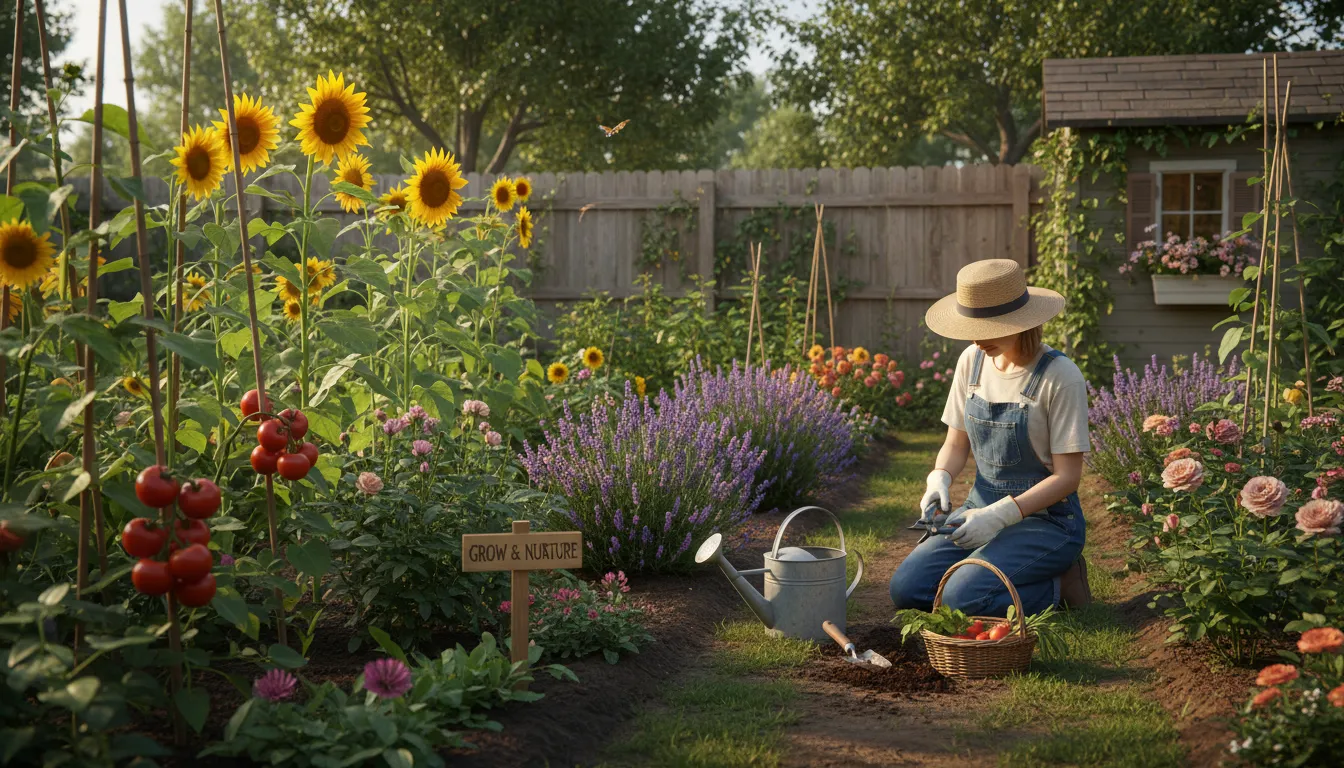
Looking for the best tips on gardening to boost student engagement? Discover how cultivating green spaces transforms education by fostering calm, enhancing focus, and building essential life skills.
This comprehensive guide explores how integrating agriculture into schools improves cognitive function and mental health. You will learn actionable strategies, curriculum integration ideas, and essential tips on gardening for beginners to help students cultivate mindfulness, responsibility, and academic success simultaneously.
Why Schools Are Embracing Green Spaces

Educators across the globe constantly search for innovative ways to keep students engaged, focused, and mentally healthy. Traditional classroom settings often limit physical movement and sensory engagement, leading to restlessness and diminished attention spans. By bringing agriculture into the educational framework, teachers unlock a powerful tool for cognitive and emotional development. Implementing effective tips on gardening within a school environment provides students with a dynamic, living laboratory where they can learn patience, responsibility, and scientific principles.
When students dig their hands into the soil, they experience a tactile connection to the earth that naturally grounds them. Research shows that exposure to nature reduces cortisol levels, the hormone associated with stress. A reduction in stress translates directly to a calmer classroom environment. Students who participate in tending to plants return to their desks with clearer minds and a sharper ability to concentrate on complex tasks.
The Cognitive and Psychological Benefits of Plant Care
Caring for living things requires observation, routine, and a deep sense of responsibility. These are executive functioning skills that translate seamlessly into academic success. When applying tips on gardening, students learn that their actions have direct consequences. If they forget to water a seedling, it wilts. If they nurture it, it thrives. This immediate feedback loop teaches accountability far more effectively than a standard lecture.
Furthermore, soil contains a specific bacterium called Mycobacterium vaccae. Studies published by the American Psychological Association suggest that exposure to this harmless bacteria stimulates serotonin production in the brain. Serotonin helps regulate mood and anxiety, making hands-on agricultural projects a literal mood-booster. For students struggling with attention deficit hyperactivity disorder (ADHD) or general anxiety, these outdoor sessions serve as a natural, therapeutic intervention that drastically improves their ability to focus when they return indoors.
Essential Strategies for Educational Cultivation

If you want to start a school program, you need practical strategies that fit within an academic schedule. You do not need a massive plot of land to reap the benefits. Many successful programs start very small. Searching for tips on gardening for beginners is the best way to ensure your initial efforts yield positive results without overwhelming your teaching staff or your students.
Starting Small with Classroom Plants
Indoor cultivation represents the most accessible entry point for educators. Potted plants on windowsills require minimal investment but offer significant educational returns. Spider plants, pothos, and snake plants are incredibly resilient and tolerate irregular watering, making them perfect subjects for young learners.
Assign specific plants to individual students or small groups. Ask them to maintain a growth journal where they record watering schedules, measure height, and sketch leaf development. This practice integrates science and language arts while giving students a sense of ownership.
Building Outdoor Raised Beds
If your campus has outdoor space, raised beds offer a controlled, accessible way to grow vegetables and flowers. Raised beds prevent soil compaction because students do not walk on the growing area. They also allow you to control the soil quality from day one.
When building raised beds for educational purposes, keep them narrow enough so that a child can reach the center from either side without stepping in the dirt. A width of three feet is usually ideal for elementary students. Fill these beds with a high-quality mix of compost, peat moss, and vermiculite to ensure excellent drainage and nutrient retention.
Integrating Curriculum with Agriculture
A school garden is not just an extracurricular activity; it is a versatile teaching tool that enhances every subject. Applying creative tips on gardening allows you to move traditional lessons out of the textbook and into the real world.
Science and Math in the Dirt
Botany, ecology, and environmental science come alive when students can observe the life cycle of a plant firsthand. Instead of looking at diagrams of photosynthesis, students can conduct experiments by blocking light from certain leaves and observing the results. They learn about the water cycle, soil composition, and symbiotic relationships between plants and pollinators.
Mathematics also finds a natural home outside. Students can calculate the area and perimeter of their planting boxes. They can measure the spacing between seeds, graph the growth rates of different vegetable varieties, and calculate the volume of soil needed for a new container. These practical applications of math solidify abstract concepts and show students the real-world value of their education.
History, Literature, and Art
Gardens offer profound connections to human history and culture. You can plant “Three Sisters” plots—corn, beans, and squash—to teach students about indigenous agricultural practices and companion planting. You can grow herbs used in medieval Europe or heirloom tomatoes with rich historical backgrounds.
For language arts, the outdoors provides endless inspiration for poetry, descriptive writing, and storytelling. Art students can practice botanical illustrations, explore color theory by observing blooms, or use natural materials to create sculptures. The environment becomes a canvas and a muse, deeply enriching the [experiential learning process].
Pro Tips and Expert Insights
To maximize the impact of your program, it helps to learn from those who have successfully navigated this journey. Here are expert insights to elevate your educational green space:
- Focus on the process, not just the harvest: The primary goal is education and mental wellbeing. If a crop fails due to pests or weather, use it as a learning opportunity rather than viewing it as a failure.
- Involve the community: Invite local master gardeners, parents, and community members to share their expertise. This distributes the workload and builds a strong support network around your program.
- Plant for the academic year: Choose fast-growing crops like radishes, lettuce, and spinach that students can plant and harvest before summer vacation. Alternatively, plant garlic and winter wheat in the fall for a spring harvest.
- Create sensory zones: Designate specific areas for highly textured plants (like lamb’s ear) and aromatic herbs (like mint and lavender) to support students with sensory processing needs.
Common Mistakes to Avoid
Even the most enthusiastic educators can encounter stumbling blocks. Avoiding these common pitfalls ensures your program remains a source of calm rather than a source of stress.
- Taking on too much too soon: Starting a massive agricultural project in your first year usually leads to burnout. Start with a single raised bed or a few indoor containers and scale up gradually.
- Forgetting a summer maintenance plan: Plants do not follow the academic calendar. Before planting, establish a clear plan for who will water and weed during the summer months.
- Ignoring soil health: The most crucial tips on gardening revolve around soil. Do not use cheap topsoil. Invest in high-quality compost and teach students that feeding the soil is more important than feeding the plant.
- Overlooking accessibility: Ensure pathways are wide enough for wheelchairs and consider building elevated tabletop beds for students with physical disabilities.
Comparison Table: Indoor vs. Outdoor Educational Gardens
Choosing the right setup depends on your space, budget, and educational goals. This table breaks down the differences to help you make an informed decision.
|
Feature |
Indoor Classroom Plants |
Outdoor Raised Beds |
|---|---|---|
|
Initial Cost |
Very Low |
Moderate to High |
|
Space Required |
Windowsills, small tables |
Courtyards, schoolyards |
|
Maintenance Level |
Low (weekly watering) |
High (watering, weeding, pest control) |
|
Curriculum Focus |
Basic biology, observation, journaling |
Ecology, agriculture, advanced math |
|
Sensory Impact |
Subtle visual calming, air purification |
High tactile, olfactory, and physical engagement |
|
Accessibility |
Highly accessible to all students |
Requires intentional accessible design |
|
Seasonality |
Year-round engagement |
Highly dependent on local climate |
Fostering Emotional Intelligence Through Nature
Beyond academics, learning how to nurture living things profoundly impacts a student’s emotional intelligence. We live in an era characterized by instant gratification. Technology conditions children to expect immediate results. Cultivation operates on a different timeline. Seeds take days to germinate and weeks to bear fruit. This slow, deliberate pace teaches patience and delayed gratification.
When students work together to move soil, pull weeds, and harvest vegetables, they practice communication and teamwork. They learn to share tools, divide labor fairly, and celebrate collective successes. These interpersonal skills are vital for their future careers and personal lives.
Furthermore, engaging with nature fosters a sense of environmental stewardship. When students understand the effort required to grow a single tomato, they develop a deeper appreciation for the food on their plates and the farmers who grow it. They become more conscious of water conservation, composting, and ecological balance. By sharing valuable tips on gardening for beginners with your students, you empower them to become responsible, thoughtful citizens of the world.
Designing a Mindful Outdoor Space
To truly transform education through calm and focus, the design of your green space matters just as much as what you grow in it. A chaotic, overgrown plot can induce anxiety rather than relieve it. Intentional design creates a sanctuary for learning.
Incorporate seating areas where students can read, write, or simply sit quietly. Use natural materials like wood and stone to create benches and pathways. Introduce a water feature, like a small solar-powered fountain, to provide soothing auditory stimulation.
Structure the space with clear boundaries and pathways. This organization helps students understand where they can walk and where they should observe carefully. When the environment feels structured yet natural, students naturally regulate their behavior to match the peaceful atmosphere. Implementing these specific tips on gardening design will maximize the psychological benefits of your program.
Securing Funding and Resources
One of the biggest hurdles educators face is securing the resources to launch these initiatives. Fortunately, many organizations recognize the profound [benefits of outdoor learning] and offer grants to support school programs.
Start by checking with local businesses. Hardware stores and nurseries often donate damaged bags of soil, unsold seeds, or slightly bruised plants to schools. Local landscaping companies might donate mulch or compost.
Look into national grant programs specifically designed for youth agriculture. Organizations like the KidsGardening offer annual grants to schools looking to build or expand their educational green spaces. When writing grant proposals, emphasize how your project aligns with academic standards and supports student mental health. Use the data and tips on gardening discussed in this article to build a compelling case for your program.
Long-Term Sustainability of School Programs

For a program to truly transform education, it must be sustainable over the long term. Too often, a passionate teacher starts a project, only for it to fall into disrepair when that teacher moves on.
To prevent this, institutionalize the program. Form a committee of teachers, administrators, parents, and students to oversee the space. Integrate the maintenance tasks directly into the curriculum rather than relying entirely on after-school volunteer clubs. When tending to the soil becomes a recognized, valued part of the school day, the program will thrive for generations.
Create a binder or a shared digital drive that contains all the necessary tips on gardening, crop rotation schedules, funding contacts, and maintenance plans. This documentation ensures that knowledge is passed down and the program remains resilient against staff turnover.
Overcoming Reluctant Learners
Not every student will immediately embrace the idea of getting their hands dirty. Some may be hesitant due to sensory aversions, fear of insects, or simply a lack of previous exposure to nature.
Introduce reluctant learners gradually. Allow them to participate in observational tasks first, such as taking photographs of plant growth or designing plant labels, before asking them to handle soil. Provide high-quality gloves and tools to make the experience more comfortable.
Highlight the connection between the plants and the students’ personal interests. If a student loves cooking, focus their attention on the culinary herbs. If a student loves building, involve them in constructing the raised beds or setting up the irrigation system. By tailoring the experience, you ensure that every student can find calm and focus in the environment.
Implementing practical tips on gardening provides educators with a transformative tool that goes far beyond simple biology lessons. By establishing green spaces, schools create calming sanctuaries that reduce student anxiety, improve focus, and teach invaluable life skills. Start small, integrate your efforts with the daily curriculum, and watch your students thrive both academically and emotionally. Take the first step today by planting a single seed in your classroom.
FAQs
What are the best tips on gardening for beginners in a school setting?
Start with low-maintenance, fast-growing plants like radishes, beans, or spider plants. Focus on small container projects before expanding to outdoor raised beds. Ensure you use high-quality, nutrient-rich soil, and establish a consistent watering routine that students can easily manage and track.
How does interacting with plants improve student focus?
Engaging with nature reduces cortisol (stress hormone) levels and minimizes sensory overload found in traditional classrooms. The tactile experience of working with soil and the visual exposure to greenery help reset the brain’s attention mechanisms, making it easier for students to concentrate on subsequent academic tasks.
What subjects can be taught using a school green space?
Nearly every subject can be integrated. Science covers botany and ecology; math involves measuring growth and calculating bed volumes; history explores indigenous agricultural practices; and language arts benefits from nature-inspired descriptive writing and journaling.
How do we maintain the project during summer vacation?
Create a summer maintenance committee involving parents, teachers, and community volunteers who take turns watering and harvesting. Alternatively, plant crops that mature in the spring or fall, and let the beds rest under a layer of protective mulch during the summer months.
Are there specific tips on gardening for students with ADHD?
Yes. Assign specific, active tasks like moving mulch, pulling weeds, or watering. These heavy-work activities provide proprioceptive input that helps regulate the nervous system. The structured yet physical nature of the work allows them to burn off excess energy while practicing sustained attention.
What is the most common mistake schools make when starting these programs?
The most common mistake is starting too large without a sustainable maintenance plan. Schools often build massive plots that become overwhelming to manage. Starting small with just one or two raised beds allows the school to build a manageable routine.
How can we fund a new outdoor educational space?
Seek out local community partnerships with hardware stores and nurseries for donated supplies. Additionally, apply for national and local grants dedicated to educational agriculture, environmental stewardship, and student wellness programs.
Is it safe for students to handle soil and plants?
Yes, it is highly beneficial. However, ensure students wash their hands thoroughly after participating. Avoid using any chemical pesticides or synthetic fertilizers. Use only organic compost and safe, natural pest control methods to keep the environment perfectly safe for children.
Can these programs work in urban schools with no green space?
Absolutely. Urban schools can utilize indoor hydroponic systems, vertical wall planters, or container setups on rooftops and asphalt playgrounds. A lack of natural green space makes bringing plants into the educational environment even more critical for student wellbeing.
How long does it take to see behavioral improvements in students?
Many teachers report noticing a calmer demeanor and improved focus immediately after an outdoor session. Long-term behavioral changes, such as increased responsibility and better teamwork, typically become evident after a few weeks of consistent, guided participation in the program.
